Optimal Fertilizer for Growing Maiden pink: What You Need to Know
1
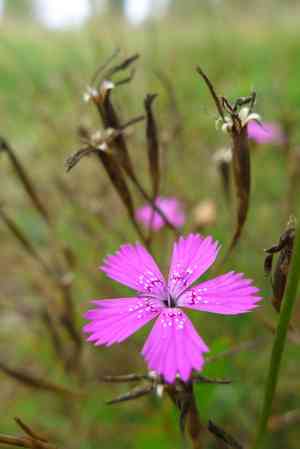
Maiden pink flourishes in soil that drains effectively and contains adequate nutrients.
2
Applying fertilizer to Maiden pink at the start of Spring promotes robust development.
3
Excessive fertilization may result in fragile stems and reduced flower production.
Understanding Fertilizer Needs for Maiden pink
Essential Nutrients for Maiden pink
For optimal growth and vitality, Maiden pink requires a balanced blend of vital nutrients. These include nitrogen (N) for robust leaf and stem development, phosphorus (P) to foster strong roots and vibrant flowers, and potassium (K) to boost overall plant health and disease resistance. Additionally, micronutrients like magnesium, calcium, and iron are crucial for maintaining the vivid pink shades of its blossoms. Ensuring your soil contains these key elements will help your Maiden pink flourish throughout its active season.
Signs of Nutrient Deficiency in Maiden pink
Identifying nutrient deficiency symptoms in Maiden pink early can prevent significant health issues. Typical indicators include yellowing foliage, often signaling a lack of nitrogen; stunted development, suggesting insufficient phosphorus; and browning leaf margins, indicative of potassium deficiency. Furthermore, dull flower colors might imply a need for more micronutrients. Regular inspection for these signs enables prompt intervention, keeping your Maiden pink healthy and vibrant.
Choosing the Right Fertilizer for Maiden pink
Types of Fertilizers Suitable for Maiden pink
When selecting fertilizers for Maiden pink, consider both slow-release granular and liquid formulations. Slow-release options nourish your plants gradually over time, minimizing the risk of over-application. Liquid fertilizers, conversely, offer a rapid nutrient boost but require more frequent use. Opt for balanced fertilizers with equal N-P-K ratios, such as a 10-10-10 blend, to support comprehensive growth. For organic preferences, compost or well-aged manure can provide a consistent nutrient supply without synthetic chemicals.
Organic vs. Chemical Fertilizers: What's Best?
The choice between organic and chemical fertilizers depends on your gardening philosophy and the plant's specific requirements. Organic options, like compost and bone meal, enhance soil structure and introduce beneficial microorganisms, promoting enduring soil health. They release nutrients slowly and are more environmentally friendly. Chemical fertilizers, however, offer immediate nutrient availability and precise ratios, which can be advantageous for quickly correcting specific deficiencies. Yet, excessive use can degrade soil over time. For Maiden pink, a balanced approach combining both types can yield superior results, merging instant nutrient access with long-term soil vitality.
How to Apply Fertilizer to Maiden pink
Step-by-Step Guide on Fertilizer Application
Applying fertilizer to Maiden pink demands careful attention. Follow these steps for effective nourishment:Measure the correct fertilizer amount as per package directions.Distribute granules evenly around the plant's base, avoiding direct contact with stems.Gently rake the soil to incorporate the fertilizer into the top layer.Water thoroughly to help nutrients dissolve and reach the roots. For liquid fertilizers, dilute as instructed and apply directly to the soil around the plant. Remember to avoid fertilizing during peak heat to prevent nutrient burn.
Best Time to Fertilize Maiden pink
The ideal time to fertilize Maiden pink is in early Spring, as the plant prepares for its active growth period. This ensures ample nutrients for new growth and flowering. A second, lighter application in mid-summer can help sustain development and bloom production. Avoid fertilizing in late fall, as this can stimulate new growth that may not survive winter conditions.
Common Mistakes to Avoid When Fertilizing
Improper fertilization of Maiden pink can be detrimental. Common errors to steer clear of include:Over-fertilizing, which can lead to excessive foliage at the expense of flowers and increase susceptibility to pests and diseases.Applying fertilizer directly to wet leaves, potentially causing leaf scorch.Neglecting to water after fertilizing, which prevents nutrients from reaching the root system.Excessive use of high-nitrogen fertilizers, resulting in weak stems. By avoiding these missteps, you can ensure your Maiden pink receives appropriate nourishment correctly.
Long-Term Care Tips for Fertilizing Maiden pink
Monitoring Plant Health After Fertilization
After applying fertilizer, it's crucial to observe your Maiden pink's response. Look for signs of robust growth, vibrant green foliage, and abundant blooms. Conversely, watch for any adverse symptoms like yellowing leaves or scorched edges, which might indicate over-fertilization. Regular checks of soil moisture and ensuring proper drainage will also contribute to maintaining plant health.
Adjusting Fertilization Schedule Based on Growth
Modifying your fertilization schedule according to the plant's growth pattern is vital for sustained success. If your Maiden pink is thriving, a single application in Spring and another in mid-summer might suffice. However, if growth is sluggish, consider more frequent but lighter applications. Additionally, soil testing every few years can help refine your fertilization strategy to match evolving soil nutrient levels. By customizing your approach, you can preserve the health and beauty of your Maiden pink year after year.



