How to Transplant Egyptian grass?
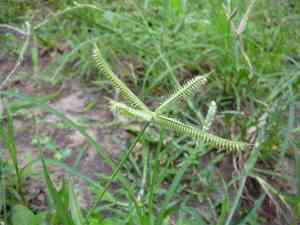
The optimal period for relocating egyptian grass spans from mid-spring to early summer, facilitating vigorous development. Select a sunny, well-ventilated location to foster its health. During the transplanting process, exercise care to safeguard fragile root systems.
What Preparations are Needed Before Transplanting Egyptian Grass?
What is the Ideal Time for Transplanting Egyptian Grass?
The best period for relocating egyptian grass is during the onset of spring's warmth. This timing allows roots to settle in mild soil, maximizing growth potential and hardiness before summer's peak.
How Much Space Should You Leave Between Egyptian Grass Plants?
Firstly, ensure your egyptian grass has ample room to thrive! Aim to position them roughly 15-20 cm (6-8 inches) apart. This provides sufficient space for growth without resource competition.
What is the Best Soil Mix for Egyptian Grass Transplanting?
For healthy egyptian grass roots, let's prepare a comfortable bed! Utilize well-draining soil and incorporate a balanced slow-release fertilizer to give them a strong start. Consider it their preferred comfort food!
Where Should You Relocate Your Egyptian Grass?
Now, finding the perfect sun-drenched spot is crucial! Egyptian grass loves to absorb sunlight, so select a location that receives full sun. It's like choosing a sunny vacation destination for your plants!
What Equipments Should You Prepare Before Transplantation Egyptian Grass?
Gardening Gloves
To safeguard your hands while handling soil and plants.
Shovel or Garden Spade
For digging out the plant and creating a suitable hole in its new spot.
Transplanting Trowel
For more precise tasks and smaller specimens.
Watering Can
To hydrate the plant before and after its relocation.
Pruning Shears
To remove any dead or excess plant material.
Wheelbarrow
To move the plant and any soil amendments if required.
Root Pruning Saw or Knife (Optional)
To trim roots if they are pot-bound or excessively long.
How Do You Remove Egyptian Grass from the Soil?
How Do You Remove Egyptian Grass from the Soil?
From Ground: First, water the egyptian grass plant to moisten the soil. Use a shovel or spade to dig a wide trench around the plant without disturbing the root ball. Gently pry beneath the root ball to loosen and lift the plant.From Pot: Water the egyptian grass plant to facilitate easier root removal. Tilt the pot sideways and tap it to loosen the soil, then carefully pull out the plant by its base, supporting the root ball.From Seedling Tray: Dampen the soil in the tray. Use a transplanting trowel or spoon to carefully extract individual egyptian grass plants by lifting at the base, ensuring as many roots as possible are retained.
Step-by-Step Guide for Transplanting Egyptian Grass
Preparation
Gather all necessary tools and confirm the new transplant location.
Removing the Plant
Follow the appropriate removal method depending on whether the egyptian grass is from the ground, a pot, or a seedling tray.
Root Inspection
Examine the egyptian grass's root ball and trim any damaged or overly long roots. Untangle any circling roots to promote outward growth.
Planting Hole
Dig a hole in the new spot that is twice the width of the root ball to allow for easy root expansion.
Placement
Position the egyptian grass in the center of the hole at the same depth it was previously growing. Ensure it is upright and the top of the root ball is level with the surrounding soil.
Filling In
Backfill the hole with soil, gently firming it around the egyptian grass's roots to eliminate air pockets. Water thoroughly to settle the soil.
Staking (if necessary)
If the egyptian grass is tall or in a windy area, insert a stake into the ground and loosely tie the plant for support.
How Do You Care For Egyptian Grass After Transplanting?
Irrigation
Water the egyptian grass generously immediately after transplanting and then regularly to keep the soil consistently moist as it establishes. Avoid over-saturating.
Mulching
Apply mulch around the base of the egyptian grass to help retain moisture, suppress weeds, and protect the roots.
Monitoring
Check the egyptian grass daily for signs of stress and adjust care as needed. The initial few weeks are critical for recovery.
Pruning
Remove any dead or yellowing leaves to help the egyptian grass conserve energy for root establishment.
Support
If the egyptian grass appears unstable, ensure stakes or supports are in place and properly secured.
Troubleshooting Common Issues with Egyptian Grass Transplantation.
What's the optimal season for transplanting egyptian grass?
The ideal period is from mid-spring to late spring when frost has passed and the soil is warm.
How far apart should I plant egyptian grass?
Space them approximately 6-8 inches (15-20 cm) apart to ensure adequate room for growth.
Why are my transplanted egyptian grass wilting after planting?
Wilting may occur if they are not sufficiently watered post-transplant. Keep the soil consistently moist but not waterlogged.
How deep should I plant egyptian grass's roots?
The roots should be planted at the same depth they were previously growing, without burying the crown.
What type of light does egyptian grass need after transplanting?
Place egyptian grass in an area with full sunlight to partial shade to ensure optimal development.
Can I transplant egyptian grass during the summer?
It's best to avoid summer transplanting as intense heat can stress the plants. Stick to mid-spring to late spring.
Why is my egyptian grass not growing well after transplant?
Poor growth can be attributed to compacted soil, insufficient water or nutrients, or incorrect planting depth.
What soil conditions favor egyptian grass after transplanting?
Egyptian grass thrives in well-draining soil enriched with compost or organic matter to support its growth.
How often should I water egyptian grass post-transplant?
Water every couple of days to maintain moist soil until the plants are well-established, then as needed.
How can I protect transplanted egyptian grass from pests?
Regularly inspect plants and use appropriate organic pest control methods if you observe signs of infestation.



