The Egyptian grass Plant Advantage: Maximizing Home and Office Appeal and Wellness
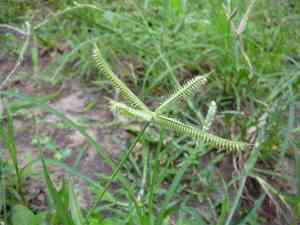
1
Excellent for preventing soil erosion and securing the ground.
2
Needs very little water and upkeep.
3
Extremely nourishing as feed for livestock.
Why is Egyptian grass Excellent for Erosion Control?
Root Structure and Soil Binding
A primary reason Egyptian grass excels at erosion control is its strong root system. The plant's roots delve deep into the earth, forming a network that binds soil particles together. This network not only prevents soil loss but also helps maintain soil structure, making it perfect for restoring degraded land.
A Natural Solution for Erosion-Prone Areas
In areas susceptible to erosion from wind or water, Egyptian grass acts as an effective natural barrier. Its extensive root system anchors the soil, preventing it from being washed or blown away. Consequently, it helps lessen the negative effects of soil erosion, such as the loss of fertile topsoil, reduced agricultural output, and increased sediment in water bodies.
How Does Egyptian grass Promote Soil Health?
Improvement in Soil Fertility
Beyond preventing erosion, Egyptian grass significantly enhances soil fertility. The organic matter from its decaying leaves and stems integrates into the soil, enriching it with vital nutrients. This process leads to better soil quality and fertility, which benefits the growth of other plants in the vicinity.
Beneficial Microorganisms
The presence of Egyptian grass in the soil also fosters the growth of helpful microorganisms. These microbes aid in breaking down organic matter and releasing nutrients, thereby improving overall soil health. The plant creates a favorable environment for the microbial community, positively contributing to the soil ecosystem.
What are the Water Conservation Benefits of Egyptian grass?
Drought-Resistant Qualities
Egyptian grass is known for its drought-resistant characteristics, making it an ideal choice for regions with limited water availability. The plant has evolved to thrive in harsh conditions with minimal water needs, thus greatly aiding water conservation efforts. It can endure extended dry periods, ensuring land remains vegetated even during droughts.
Reduced Water Needs
The capacity of Egyptian grass to flourish with minimal water means it lessens reliance on additional water resources for its growth. This trait makes it an environmentally sustainable option, especially in arid and semi-arid regions where water is scarce. By choosing Egyptian grass, land managers can ensure green coverage while preserving precious water resources.
Why is Egyptian grass Important for Livestock?
Nutritive Value as Fodder
Another significant advantage of Egyptian grass is its use as nutritious feed for livestock. The plant is rich in essential nutrients necessary for healthy animal growth. Farmers and ranchers can depend on it as a consistent source of fodder, particularly in areas where traditional forage crops may not thrive.
Palatability and Digestibility
Livestock find Egyptian grass highly palatable and easy to digest. Its pleasant taste encourages animals to readily consume it, while its nutrient composition ensures they receive necessary vitamins and minerals. This makes Egyptian grass a valuable asset in agriculture and the livestock industry, especially in areas facing fodder shortages.
How Can Egyptian grass be Utilized in Landscaping?
Low Maintenance and Aesthetic Value
In addition to its environmental advantages, Egyptian grass is also popular in landscaping due to its minimal maintenance needs and visual appeal. It provides a lush green cover with little upkeep, making it perfect for lawns, gardens, and public parks. Its ability to grow quickly and cover large areas adds to its attractiveness for landscaping purposes.
Resilience to Pests and Diseases
Egyptian grass is resistant to many common pests and diseases, reducing the need for chemical treatments. This resilience ensures that landscapes stay healthy and attractive without the added burden of managing pest infestations. Furthermore, its robust nature ensures it remains green and vibrant even under adverse conditions, contributing to the area's overall beauty.



