How to Prune Egyptian grass?
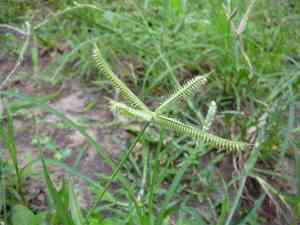
This enduring grass, recognized by its compressed stalks and digit-like spikelet formations, flourishes with consistent upkeep. For egyptian grass, trimming entails removing deceased or excessive foliage, enhancing air circulation and light exposure. The optimal time for pruning is in Spring to encourage development, continuing throughout Summer and Autumn to preserve its form and vigor. Key considerations include employing sharp cutting tools for precise incisions and refraining from severe pruning to avert stress. Pruning provides advantages such as more compact growth and a diminished likelihood of illness.
What Are the Benefits of Pruning Egyptian Grass?
What Are the Benefits of Pruning Egyptian Grass?
Trimming egyptian grass encourages development and helps maintain its form, ensuring a strong and well-structured plant beneficial for peak health and appearance.
What Is the Best Time for Pruning Egyptian Grass?
What Is the Best Time for Pruning Egyptian Grass?
Trimming egyptian grass in Spring aligns with the start of its active growth phase, allowing the plant to recover quickly and direct energy into new development. Early Summer pruning ensures that initial spring growth has matured, simplifying shaping and thinning unnecessary growth before the peak growing season. Late Fall pruning, after the growing season ends, helps prepare egyptian grass for dormancy and can be useful for removing dead or diseased parts, reducing issues the following spring. These periods avoid flowering or seed-setting, preserving plant health and vigor while preventing unwanted spread or invasiveness.
What Tools Do I Need to Prune Egyptian Grass?
Hand Pruners
Perfect for cutting thin stems and aids in making clean cuts without harming egyptian grass.
Grass Shears
Useful for precise trimming and shaping of egyptian grass, especially around edges and in areas inaccessible to mowers.
String Trimmer
Effective for managing excess growth around egyptian grass and particularly helpful for hard-to-reach spots.
Lawn Mower
If egyptian grass is grown as part of a lawn, an adjustable lawn mower can be used to maintain uniform height and healthy growth.
How to Prune Egyptian Grass
Clean Tools
Sanitize your pruning shears with alcohol or bleach solution to prevent disease spread when trimming egyptian grass.
Identify Parts
Locate the withered or yellowed leaves on egyptian grass that need removal.
Cut Leaves
Using your sterilized shears, carefully cut the withered leaves at their base where they meet the stem, being careful not to harm adjacent healthy tissue.
Collect Waste
Gather the trimmed leaves and dispose of them away from the garden area to prevent disease spread.
Monitor Plant
Observe egyptian grass after pruning to ensure healthy new growth and repeat the process as needed when other leaves wither.
Common Pruning Mistakes with Egyptian Grass
Overpruning
Removing too much foliage from egyptian grass can weaken the plant, leading to poor growth or reduced vitality.
Imprecise Cuts
Making jagged or torn cuts can damage egyptian grass's stems, potentially leading to disease and pest infestation.
Using Dull Tools
Using blunt or dirty pruning tools can impede the healing process of cuts or introduce disease to egyptian grass.
Pruning Without A Plan
Trimming egyptian grass without understanding its growth pattern can result in uneven or undesirable shapes.
Ignoring Dead Material
Failing to remove dead or diseased material from egyptian grass can hinder new growth and spread disease.
Wet Conditions
Pruning egyptian grass when it's wet can increase the risk of spreading diseases between plants.
Common Pruning Tips for Egyptian Grass
Cleanliness
Always use clean, sharp tools to make precise cuts that will heal more quickly.
Plant Structure
Understand egyptian grass's growth habit to make informed decisions about which stems to prune for maintaining plant health and desired shape.
Selective Pruning
Thin out egyptian grass selectively rather than shearing, to maintain its natural form and promote air circulation.
Rejuvenation
Consider rejuvenation pruning if egyptian grass becomes overgrown, removing older stems to encourage fresh growth.
Health Assessment
Regularly assess egyptian grass's health and prune away any dead or diseased material to maintain vigor.
Protection Of New Shoots
Take care not to damage new shoots and young growth when pruning egyptian grass, as these are crucial for future flowering.
Conservative Approach
Start with a conservative approach, especially if inexperienced, and prune incrementally to avoid removing too much at once.



