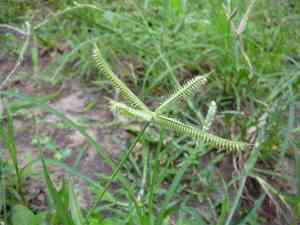
Egyptian grass (Dactyloctenium aegyptium)
Also known as: Crowfoot grass, Crowsfoot grass, Durban crowfootgrass
The African bush daisy, originating from Africa, is effective in stabilizing loose soil or sand. Due to its rapid growth and tendency to colonize barren areas, it is deemed an invasive species in the United States and other regions.
In This Article
Attributes of Egyptian grass
Lifespan
Annual
Plant Type
Herb
Plant Height
15 cm to 60 cm
Spread
Varies, generally not well-defined for grasses
Leaf Color
Green
Flower Size
3 mm to 6 mm
Flower Color
White Yellow Green Brown
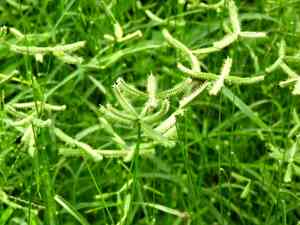
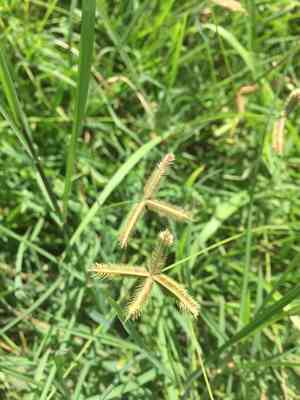
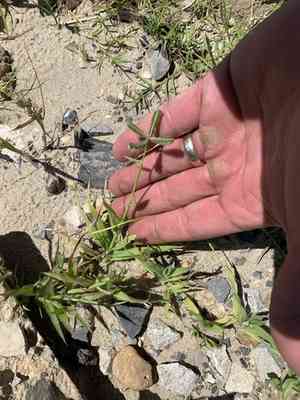
Images of Egyptian grass
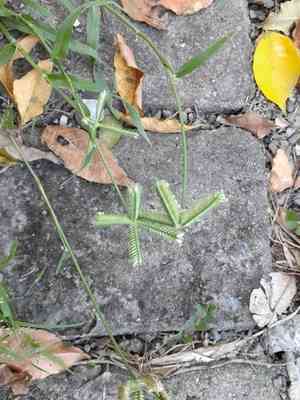
Quickly Identify Egyptian grass
1
Crowfoot grass can be identified by its distinctive digitate inflorescence, which resembles a crow\'s foot, and its flattened, keeled spikelets. The leaves are linear and can be up to 30 cm long, with a rough texture. The plant generally has a sprawling growth habit.
Scientific Classification of Egyptian grass
Phylum
Vascular plants
Class
Monocotyledons
Order
Poales
Family
Grass
Genus
Dactyloctenium
Species
Egyptian grass
Planting and Growing of Egyptian grass
Care Difficulty
Easy
Watering Schedule
Every 3 days
Sunlight Requirements
Full sun
Sunshine Duration
4-6 hours
Ideal Temperature
77-86℉
Soil Type
Potting Mix, Peat Mix
Soil pH
6.5-7.5
Fertilizer Type
Balanced
Pruning Season
Spring, Summer
Pruning Area
Branches, Leaves
Pruning Frequency
2 times a year
Repotting Season
Spring
Pot Type
Plastic, Terracotta
 How to Water Egyptian grass?
For Dactyloctenium aegyptium, the watering amount should suffice to make the soil moist but not waterlogged. Aim for around 250 ml per watering session. It is vital to ensure that excess water drains out to prevent root rot, which this plant is susceptible to.
What are the symptoms of an underwatered Egyptian grass?
›
What should I do if my Egyptian grass is not getting enough water?
›
What are the symptoms of an overwatered Egyptian grass?
›
How to save an overwatered Egyptian grass?
›
 What Are the Sunlight Requirements for Egyptian grass?
Dactyloctenium aegyptium prefers full sun to partial sun, with ideal light conditions providing it with the energy required for robust growth. The right amount of sunlight enhances its photosynthetic rate, resulting in healthier and sturdier grass.
More About Sunlight Requirements Techniques→
How much sunlight does Dactyloctenium aegyptium need?
›
What is the best time to expose it to sunlight?
›
How do you ensure enough sunlight in cloudy regions?
›
 What Is the Ideal Temperature Range for Egyptian grass?
Dactyloctenium aegyptium thrives optimally at temperatures between 77°F and 86°F, as this range supports robust growth and photosynthesis processes. Such temperatures ensure that metabolic activities occur efficiently, promoting healthy and vigorous development of the plant.
 What Soil is Best for Egyptian grass?
Dactyloctenium aegyptium prefers soils with excellent drainage capabilities. This prevents waterlogging, which could lead to root rot, enhancing the plant's overall health and growth. Rich, loamy soils, rich in organic matter, provide essential nutrients. Such environments support robust plant growth, resulting in a lush and verdant appearance. The soil should retain enough moisture to sustain the plant without getting waterlogged. This balance promotes a healthy growth cycle, ensuring the plant remains hydrated yet free from excess moisture.
 How to Fertilize Egyptian grass?
For Dactyloctenium aegyptium, apply a balanced liquid fertilizer at the rate of one tablespoon per gallon of water. Use this mixture to water the plants twice a month. Ensure that the soil is damp prior to application to prevent root burn.
 How to Prune Egyptian grass?
To prune Dactyloctenium aegyptium effectively, start by inspecting the plant for any dead, discolored, or broken stems. Use sharp pruning shears to carefully cut these parts back to their base. Trim overgrown stems to promote a compact and healthy appearance. For a more controlled growth habit, strategically pinch back the tips of the stems. This encourages the development of lateral shoots and results in a bushier plant structure. Ensure you leave enough foliage for photosynthesis.
More About Pruning Techniques→
 How to Propagate Egyptian grass plant?
1
Begin by filling seed trays with good quality potting soil. The soil should be slightly moistened but not waterlogged to promote the best conditions for seed germination.
2
Sprinkle the seeds evenly across the surface of the soil. Cover them lightly with a thin layer of potting soil, as they require exposure to light to germinate successfully.
3
Place the seed trays in a location with ample sunlight or under grow lights. Keep the soil consistently moist by watering regularly, ensuring it is never dry but also not waterlogged.
 How to Repot Egyptian grass plant?
1
Repot Dactyloctenium aegyptium when you notice roots emerging from the drainage holes or if growth has slowed significantly. Spring and summer are ideal times as the plant is actively growing and can recover quickly.
2
Select a pot that is one size larger than the current one, with ample drainage holes. A pot that is too large can hold excess moisture, leading to root rot. The right size promotes healthy root growth and provides enough space for expansion.
3
Opt for a well-draining sandy loam to mimic the plant's natural habitat. This soil structure prevents waterlogging, while providing necessary aeration and nutrients to encourage robust plant health and growth.



