Enhancing Your Garden Design with the Egyptian grass Plant: A Landscaping Guide
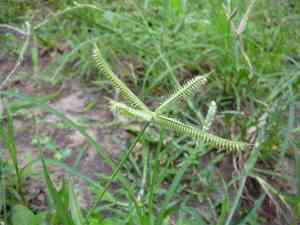
1
Suitable for both classic and contemporary garden aesthetics.
2
Flourishes across various cultivation settings, even dry climates.
3
Requires minimal upkeep and offers visual charm, fitting for varied horticultural demands.
Introduction to Egyptian Grass in Landscaping
Why is Egyptian grass a favored option for landscape design?
Regarding landscape design, Egyptian grass stands out as a prime selection for numerous garden enthusiasts and professional landscapers. Its hardiness and adaptability to diverse climates make it a dependable choice. Whether you're dealing with a sunny, arid environment or a more temperate one, Egyptian grass can establish itself with ease. Furthermore, its vibrant green look and soft texture bring a refreshing aesthetic to any landscape plan, making outdoor areas feel more welcoming and visually appealing.
Understanding the optimal growing conditions for Egyptian grass.
To maximize the potential of Egyptian grass, comprehending its preferred growing conditions is essential. Egyptian grass thrives in well-drained soils and can endure both drought and moderate flooding. It favors full sun but can tolerate some shade. Notably, its capacity to grow in sandy soils makes it perfect for coastal and arid regions. Ensuring proper soil drainage will help prevent root rot and other moisture-related problems, guaranteeing healthy growth and a flourishing landscape.
The visual appeal of Egyptian grass in various landscape designs.
Visually, Egyptian grass adds a distinct texture and color to any landscape. Its slender blades and graceful growth habit can create a soft, natural appearance, whether utilized in expansive lawns or as part of a mixed-plant border. The vibrant green hue of Egyptian grass contrasts beautifully with colorful flowers and other foliage, adding depth and dimension to your garden design. Its versatility allows it to blend seamlessly with a variety of other plants, enhancing the overall aesthetic of your outdoor space.
Integrating Egyptian Grass into Different Landscape Styles
Traditional landscaping and Egyptian grass.
In traditional landscaping, Egyptian grass can serve as a lush ground cover that provides a classic, well-maintained look. It performs well in formal gardens where neat rows and defined edges are crucial. Egyptian grass can be used along pathways or as a green carpet beneath large trees, offering a seamless, elegant appearance.
How Egyptian grass complements modern landscape designs.
For modern landscapes, Egyptian grass offers a clean and minimalist aesthetic. Its uniform texture and sleek appearance make it ideal for contemporary garden designs that prioritize simplicity and elegance. Egyptian grass can be incorporated into geometric patterns or as part of a minimalist planting scheme, paired with stones, concrete, and other modern materials to create a balanced and harmonious outdoor space.
Utilizing Egyptian grass in xeriscape gardens.
As water conservation becomes increasingly vital, xeriscape gardening has gained popularity. Egyptian grass is an excellent option for xeriscaping due to its drought tolerance. It can be integrated with other drought-resistant plants like succulents and native grasses to create a sustainable and low-water landscape. This not only conserves water but also reduces maintenance efforts, making it a practical choice for environmentally conscious gardeners.
Maintenance Guidelines for Egyptian Grass in Your Garden
Watering practices for peak growth.
While Egyptian grass is drought-tolerant, consistent watering aids its establishment, especially during the initial growth phase. Once established, it requires minimal irrigation. Deep, infrequent watering promotes deep root development, making the plant more resilient to dry conditions. It's also crucial to avoid over-watering as this can lead to root rot.
Trimming and seasonal care recommendations.
Trimming Egyptian grass helps maintain its tidy appearance and encourages healthy growth. Regular mowing or trimming to a height of approximately 1-2 inches keeps it dense and lush. Seasonal care involves fertilizing in the spring to stimulate growth and removing any thatch accumulation in the fall. These practices ensure that Egyptian grass remains healthy and vibrant throughout the year.
Pest management approaches.
While Egyptian grass is relatively pest-resistant, occasional issues may arise. Regularly inspecting for common lawn pests and applying appropriate organic or chemical treatments can keep potential problems at bay. Natural predators like birds and beneficial insects also assist in managing pests without the need for extensive intervention.
Creative Applications of Egyptian Grass in Outdoor Areas
Bordering and edging concepts with Egyptian grass.
Egyptian grass functions beautifully as a bordering and edging plant. It can delineate pathways, garden beds, and distinct zones within a landscape. Its dense growth habit ensures it forms a clear, visually appealing boundary that doesn't demand frequent upkeep.
Creating focal points using Egyptian grass.
By strategically placing Egyptian grass in key areas of your garden, you can establish striking focal points. Use it to draw attention to garden features such as sculptures, fountains, or seating areas. Its lush, green backdrop will highlight these elements and enhance their visual impact.
Innovative ways to incorporate Egyptian grass in confined spaces.
For those with limited space, Egyptian grass can be creatively utilized in container gardens or small plots. Its compact growth makes it ideal for planters and pots, adding greenery to patios, balconies, and deck areas. Even in small spaces, Egyptian grass brings life and beauty, making any area feel more expansive and inviting.



