How to Propagate Egyptian grass?
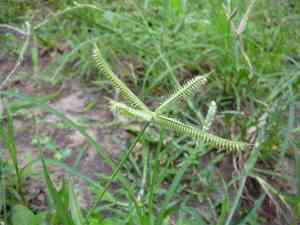
This heat-loving grass flourishes in well-draining sandy and loamy substrates. For propagation, egyptian grass necessitates direct planting of its seeds into tilled earth. Gently blanket the seeds with soil to ensure proper contact, maintaining soil dampness until sprouting occurs. Egyptian grass develops rapidly, so cultivators ought to space the seeds appropriately, providing ample room for full development. This uncomplicated propagation technique yields thick clumps that improve soil firmness and deter erosion. Novice gardeners will discover egyptian grass to be a gratifying inclusion owing to its simple propagation and minimal upkeep requirements.
Optimal Time for Egyptian Grass Propagation
Propagation Method
Seeding
Propagation Period
Spring
Tools for Egyptian Grass Propagation
Seed Trays
Seed trays are essential for initiating egyptian grass from seeds. They enable uniform distribution and management of multiple seeds in a controlled setting. Utilizing seed trays helps maintain consistent soil moisture and temperature, vital for egyptian grass germination. Furthermore, they simplify transplanting once seedlings are ready for outdoor placement or larger containers.
Sterilized Soil Mix
Employing a sterilized soil mix helps prevent diseases and fungi from harming delicate egyptian grass seedlings. A mix specifically formulated for seeding will be light and airy, promoting superior root development and allowing for efficient drainage, crucial for egyptian grass's health during its initial growth phases.
Watering Can with a Fine Rose
A watering can equipped with a fine rose attachment is perfect for irrigating seeds and young egyptian grass seedlings, as it delivers water gently and evenly. This prevents seeds from being dislodged and ensures that tender young plants are not damaged by the water's force.
Heat Mat
A heat mat can be particularly advantageous for propagating egyptian grass, especially in cooler regions or during colder months. By maintaining a consistent and appropriate temperature, a heat mat aids in improving the germination rate and speed of egyptian grass, ensuring a successful propagation process.
Grow Lights
If propagating egyptian grass indoors or in areas with insufficient natural light, grow lights can be indispensable. They supply the necessary light spectrum that helps seedlings grow robust and healthy. Proper illumination is especially important for egyptian grass to develop strong root systems and foliage.
How to Propagate Egyptian Grass?
Propagation Type
Simple
Caring for Newly Propagated Egyptian Grass
Caring for Newly Propagated Egyptian Grass
Post-germination, thin out seedlings to prevent overcrowding and ensure adequate light and air circulation for each plant. Continue to water egyptian grass regularly, allowing the soil to dry slightly between waterings. Gradually acclimate young egyptian grass to outdoor conditions if started indoors before transplanting to their final growing location. Regular fertilization isn't required, but a balanced, slow-release fertilizer can be applied annually to support growth if grown in poor soils.
Common Errors to Avoid When Propagating Egyptian Grass
Overwatering
Excessive watering of egyptian grass can lead to root rot, which is detrimental to its growth and survival. This grass species prefers drier conditions, and overwatering can suffocate the roots, hindering their ability to absorb nutrients and oxygen.
Poor Soil Selection
Using an unsuitable soil type can impede the propagation of egyptian grass. This species thrives in sandy, well-draining soil. Heavy or clay-rich soils can retain too much water and potentially cause fungal issues or root rot.
Excessive Use of Fertilizers
While fertilizers support plant growth, too much can harm egyptian grass. Over-fertilization can result in nutrient burn, which may damage the roots and reduce the plant's overall health and propagation capability.
Tips For Propagating Egyptian Grass
Proper Watering Techniques
Ensure that egyptian grass is watered moderately but not excessively. Allow the soil to dry out slightly between watering sessions to promote healthier root growth and prevent issues such as root rot.
Suitable Soil Environment
Use a sandy, well-draining soil for propagating egyptian grass. This type of soil supports better root health and prevents moisture-related issues, enabling healthier growth.
Moderate Fertilization
Apply a balanced, slow-release fertilizer sparingly to provide essential nutrients without overwhelming egyptian grass. This will help in maintaining a good balance in soil fertility conducive for the growth of egyptian grass.



