How to Transplant Willow-leaved cotoneaster?
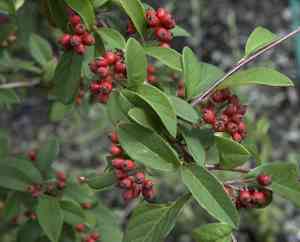
Spring is the best period for transplanting willow-leaved cotoneaster, as it allows for superior root development. Preferred sites offer full sun to partial shade and feature soil that drains effectively. When shifting willow-leaved cotoneaster, guarantee sufficient soil hydration to lessen the shock of relocation.
What Preparations are Needed Before Transplanting Willow-leaved Cotoneaster?
What is the Ideal Time for Transplanting Willow-leaved Cotoneaster?
The prime period for moving willow-leaved cotoneaster is during early spring, when its growth potential is highest. This timing ensures robust root development and vigor before summer's heat. Replanting willow-leaved cotoneaster as the earth revitalizes allows it to benefit from longer days and mild temperatures, promoting strong growth and reducing relocation stress. A helpful tip for gardeners: choose the rejuvenating embrace of spring for willow-leaved cotoneaster transplantation, fostering its flourishing alongside the season's new life.
How Much Space Should You Leave Between Willow-leaved Cotoneaster Plants?
For willow-leaved cotoneaster, arrange your transplanting so each plant has approximately 4-5 feet (1.2-1.5 meters) of clearance. This allows your plants to expand and develop without crowding each other. Use a measuring tape for precise spacing.
What is the Best Soil Mix for Willow-leaved Cotoneaster Transplanting?
The optimal soil for willow-leaved cotoneaster is one that drains effectively. Incorporating organic compost or well-rotted manure can provide your plant with vital nutrients. Add a slow-release granular fertilizer during the soil preparation. Remember to mix it thoroughly!
Where Should You Relocate Your Willow-leaved Cotoneaster?
When selecting a site for willow-leaved cotoneaster, seek a location that receives full sun to partial shade. Ensure the spot gets about 6 to 8 hours of sunlight daily. This aids your plant in proper photosynthesis and strong development.
What Equipments Should You Prepare Before Transplantation Willow-leaved Cotoneaster?
Gardening Gloves
To protect your hands when handling soil and the plant.
Spade or Shovel
These are necessary for excavating around and beneath the root ball of the willow-leaved cotoneaster plant.
Gardening Fork
Useful for gently loosening the soil surrounding the plant.
Wheelbarrow or Garden Cart
These tools assist in moving the willow-leaved cotoneaster plant from its original spot to the new location.
Watering Can
You'll need this to hydrate the plant before and after the transplanting process.
Pruning Shears
This tool helps to trim any broken or damaged roots.
How Do You Remove Willow-leaved Cotoneaster from the Soil?
How Do You Remove Willow-leaved Cotoneaster from the Soil?
From the Ground: Begin by watering the willow-leaved cotoneaster plant to moisten the soil. Then, using a spade or gardening fork, carefully dig around the plant, ensuring not to harm the root ball. Once the soil is loose, gently work the spade under the root to lift the plant.From a Pot: If your willow-leaved cotoneaster plant is in a pot, water it thoroughly first. Invert the pot and lightly tap the bottom to loosen the root ball. Extract the plant by gripping the base of the stem. Be careful not to pull too hard to avoid damaging the plant.From a Seedling Tray: If the willow-leaved cotoneaster plant is starting in a seedling tray, it's best to wait until it has grown strong enough for transplanting. To remove it, press the base of each cell to push the seedling out. Support the stem with one hand as you lift it from the tray.
Step-by-Step Guide for Transplanting Willow-leaved Cotoneaster
Preparation
Prepare the new site by digging a hole that is twice as wide and the same depth as the root ball of your willow-leaved cotoneaster.
Placement
Position the willow-leaved cotoneaster in the hole, ensuring it's at the same biological depth as it was in its initial location. The top of the root ball should be level with the ground surface.
Backfill
Refill the hole with the original soil. Avoid using fertilizers or additives at this stage.
Watering
Water the plant thoroughly once it's planted. This will help settle the soil around the roots and eliminate air pockets.
Mulching
Apply a layer of mulch around the base of the plant. This will help retain moisture and suppress weeds.
How Do You Care For Willow-leaved Cotoneaster After Transplanting?
Monitoring
Keep a close watch on the willow-leaved cotoneaster after transplant, especially its leaves. If they begin to wilt or turn brown, adjust your care routine accordingly. Shield the plant from harsh weather conditions, particularly in the initial days.
Watering
In the first few weeks post-transplant, water the willow-leaved cotoneaster thoroughly to aid in establishing new roots. However, avoid over-watering as it could lead to root rot.
Pruning
Perform light pruning to encourage new growth. Remove any dead, diseased, or broken branches.
Pests and Diseases
Regularly inspect your willow-leaved cotoneaster for signs of pests and diseases. If any are detected, treat them appropriately to prevent their spread.
Troubleshooting Common Issues with Willow-leaved Cotoneaster Transplantation.
When is the best time to transplant willow-leaved cotoneaster?
The ideal period to relocate willow-leaved cotoneaster is during S1-S3 (early spring to late summer). The plant will have sufficient time to establish roots before the cold season.
Do I need to water willow-leaved cotoneaster immediately after transplanting?
Yes, give willow-leaved cotoneaster a good, thorough soaking right after transplanting. This will help settle the soil around the roots and reduce plant stress.
How much space does willow-leaved cotoneaster need when transplanting?
When transplanting willow-leaved cotoneaster, allow a distance of about 4-5 feet (1.2-1.5 meters) between plants. This ensures each plant has adequate room to grow and thrive.
What type of soil is best suited for transplanting willow-leaved cotoneaster?
Willow-leaved cotoneaster prefers well-drained soil. A blend of loamy soil, sand, and a bit of compost should provide the necessary nutrients for optimal growth.
Should I fertilize willow-leaved cotoneaster after transplanting?
It's not essential immediately after transplanting. Allow willow-leaved cotoneaster a few weeks to settle, then consider a balanced granular fertilizer to support growth.
How should I prepare the planting hole for willow-leaved cotoneaster?
The planting hole for willow-leaved cotoneaster should be twice the width and the same depth as the root ball. This space will encourage root spread and establishment.
What care is required immediately after transplanting willow-leaved cotoneaster?
Water the plant thoroughly right away and check soil moisture regularly. Protect from strong winds and intense sunlight for the first few weeks after transplantation.
Is it necessary to prune willow-leaved cotoneaster before transplanting?
Pruning before transplantation is not required. However, remove any damaged or diseased branches to improve willow-leaved cotoneaster's overall health and appearance.
How do I know if willow-leaved cotoneaster has established roots after being transplanted?
Signs of root establishment include new growth and renewed vigor in the foliage. This can take several weeks, depending on the planting season and care provided.
My transplanted willow-leaved cotoneaster seems to be wilting, what could be wrong?
Wilting could be a result of transplant shock, often due to insufficient watering or sudden extreme temperature. Ensure willow-leaved cotoneaster is well-watered and under favorable conditions.



