How Much Sunlight Do Willow-leaved cotoneaster Need?
1
Willow-leaved cotoneaster flourishes optimally with a minimum of 6 hours of unfiltered sunlight daily.
2
Although it favors complete sun exposure, Willow-leaved cotoneaster can endure conditions of partial sun.
3
Provide adequate sunlight to encourage robust development and plentiful berry yield in Willow-leaved cotoneaster.
Ideal Light Conditions for Willow-leaved Cotoneaster
Full Sun vs. Partial Sun
Regarding light requirements, the Willow-leaved cotoneaster is somewhat adaptable but has a clear preference. Ideally, this plant should be placed where it can receive full sun, meaning over 6 hours of direct sunlight daily. This exposure promotes strong growth, vibrant leaves, and abundant berry production. However, it can also tolerate partial sun, performing well with at least 4 hours of direct sunlight each day.
Daily Light Duration
For optimal health and growth of your Willow-leaved cotoneaster, aim for 6 to 8 hours of sunlight daily. Morning sun, being less intense than afternoon sun, can also be beneficial. This duration helps the plant efficiently carry out vital processes like photosynthesis, ensuring it remains robust and attractive throughout the growing season.
Impact of Light on Willow-leaved Cotoneaster Development
Photosynthesis and Energy Creation
Sunlight powers photosynthesis, the process where plants convert light energy into chemical energy for growth. For Willow-leaved cotoneaster, adequate light exposure is vital for producing the energy needed for strong stems, lush foliage, and bright berries. Without enough light, its overall vigor and aesthetic appeal can significantly decline.
Flowering and Fruit Production
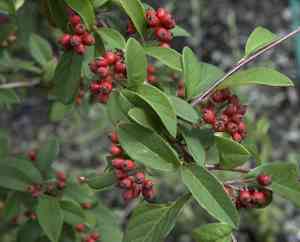
Flowering and subsequent fruit development in Willow-leaved cotoneaster are greatly affected by sunlight. Full sun encourages numerous flowers, which eventually become the plant's characteristic red berries. These berries not only enhance garden beauty but also provide food for local wildlife. Limited sunlight may lead to reduced flowering and fruiting, resulting in a less vibrant plant.
Recognizing Light Stress in Willow-leaved Cotoneaster
Signs of Excessive Sunlight
Willow-leaved cotoneaster is generally resilient, but too much sun can cause issues like leaf scorch or sunburn. Symptoms of excessive sunlight include yellowing or browning leaf edges, dried leaves, and a generally wilted appearance. If these signs appear, consider providing some afternoon shade to reduce stress.
Signs of Insufficient Sunlight
Conversely, inadequate sunlight can result in weak growth and sparse foliage. Signs include elongated, leggy stems, smaller leaves, and diminished flowering and berry production. If your Willow-leaved cotoneaster looks dull and isn't thriving, it might need to be moved to a sunnier spot in your garden.
Best Practices for Ensuring Proper Light Exposure
Selecting the Right Planting Site
To ensure your Willow-leaved cotoneaster gets optimal sunlight, carefully choose a planting location that offers full sun exposure. Observe your garden throughout the day to find areas with consistent sunlight. An east-facing spot can be particularly advantageous, providing ample morning sun while protecting the plant from more intense afternoon rays.
Seasonal Light Variations
Be aware of seasonal changes when planning your garden. In summer, the sun's path is higher, offering more direct sunlight. In contrast, winter brings a lower sun angle, potentially casting longer shadows. Adjust your planting strategies accordingly, and if necessary, consider relocating potted Willow-leaved cotoneaster to maximize their sunlight exposure year-round.
Common Light-related Problems and Solutions
Sunburn and Leaf Scorch
Sunburn and leaf scorch can be prevented by ensuring your Willow-leaved cotoneaster isn't overexposed to intense afternoon sun. Using shade cloths or planting companion shrubs can offer necessary protection. Regular watering and mulching also help the plant cope with high temperatures and strong sunlight.
Etiolation and Weak Growth
Etiolation, characterized by pale, stretched growth, occurs when the plant lacks sufficient sunlight. To fix this, move your Willow-leaved cotoneaster to a location with better sun exposure. If relocation isn't possible, consider pruning nearby trees or shrubs to allow more light to reach the plant.



