The Willow-leaved cotoneaster Plant Advantage: Maximizing Home and Office Appeal and Wellness
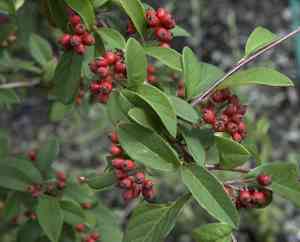
1
The willow-leaved cotoneaster is a adaptable and resilient shrub, flourishing in diverse soil conditions.
2
It serves as an outstanding ground cover, effectively preventing soil degradation.
3
This cotoneaster variety yields attractive, aromatic blossoms that draw in pollinators such as bees and butterflies.
What Makes Willow-leaved cotoneaster a Versatile Plant?
Adaptability to Various Soil Types
Willow-leaved cotoneaster is well-known for its capacity to flourish in diverse soil conditions. Regardless of whether your garden possesses sandy, loamy, or clay soil, Willow-leaved cotoneaster can adjust and grow effectively. This flexibility makes it an excellent option for gardeners facing soil quality issues. Furthermore, Willow-leaved cotoneaster exhibits high drought tolerance once mature, meaning it needs minimal irrigation, making it an environmentally friendly choice.
Resilience to Weather Extremes
Another notable characteristic of Willow-leaved cotoneaster is its hardiness against varying weather conditions. It can endure both frigid winters and scorching summers, which expands its utility across different climatic zones. This durability lessens the need for constant upkeep and replacement, saving gardeners time and effort.
How Does Willow-leaved cotoneaster Enhance Your Garden's Aesthetic Appeal?
Visual Beauty
The visual charm of Willow-leaved cotoneaster is undeniable. With its graceful arching branches and willow-like foliage, it imparts a touch of elegance to any garden. During its active growth period, it produces clusters of small, white to pinkish blossoms that not only add beauty but also release a sweet scent.
Attracting Wildlife
Willow-leaved cotoneaster is also recognized for drawing beneficial wildlife, including pollinators such as bees and butterflies. Its flowers offer a rich nectar source, while its berries serve as food for birds. By cultivating Willow-leaved cotoneaster, you're not just beautifying your garden; you're also contributing to local biodiversity and supporting vital pollinators.
Why is Willow-leaved cotoneaster an Excellent Ground Cover Plant?
Erosion Control
One of the significant advantages of Willow-leaved cotoneaster is its efficacy as a ground cover plant. Its dense, spreading growth habit aids in rapidly covering bare soil, which substantially reduces soil erosion. This is particularly beneficial for gardens with inclines or areas prone to washouts during heavy rainfall.
Weed Suppression
In addition to managing erosion, Willow-leaved cotoneaster also plays a crucial role in inhibiting weed growth. Its thick foliage shades the ground, minimizing the sunlight that reaches the soil surface and thereby preventing weed emergence. This natural weed management reduces the need for chemical herbicides, fostering a healthier garden environment.
What Are the Low-Maintenance Benefits of Willow-leaved cotoneaster?
Minimal Watering and Fertilization
Willow-leaved cotoneaster is a low-upkeep plant that requires minimal irrigation once established, making it an ideal selection for those aiming to create a sustainable garden. It also doesn't demand frequent fertilization, thriving well with just an annual application of compost or a balanced nutrient blend.
Pest and Disease Resistance
Another benefit of Willow-leaved cotoneaster is its resilience to common pests and diseases. Unlike many other ornamental plants that are vulnerable to various ailments, Willow-leaved cotoneaster remains largely unaffected, thus lessening the need for chemical interventions. This natural immunity further simplifies its care and makes it an excellent choice for organic gardening.
How to Integrate Willow-leaved cotoneaster into Your Landscape Design?
As a Hedge or Screen
Due to its dense foliage and rapid growth, Willow-leaved cotoneaster is frequently utilized as a natural hedge or screen. It can provide privacy around a property or function as a windbreak. When planted closely together, Willow-leaved cotoneaster forms a thick, impenetrable barrier that enhances both security and visual appeal.
In Rock Gardens or Slopes
Willow-leaved cotoneaster is also perfect for rock gardens or sloped areas. Its capacity to cascade over rocks and its erosion control attributes make it a suitable plant for these challenging locations. It adds structure and greenery to spots where many other plants might struggle to survive.



