The Hidden Danger in Your Home? Unmasking the Toxicity of the Willow-leaved cotoneaster Plant.
1
Willow-leaved cotoneaster possesses cyanogenic glycosides, which liberate cyanide, resulting in serious symptoms such as emesis and seizures in people.
2
Consuming any portion of willow-leaved cotoneaster is slightly poisonous to felines, inducing signs like physical distress and requiring veterinary attention.
3
Canines that consume willow-leaved cotoneaster might experience emesis, loose stools, and stomach discomfort because of its cyanogenic glycoside content.
Is Willow-leaved cotoneaster toxic to humans?
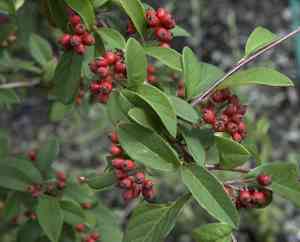
Willow-leaved cotoneaster presents a slight poisoning hazard to people if eaten. The whole plant has cyanogenic glycosides, which can be dangerous if consumed. When ingested, these substances can release cyanide within the body, causing symptoms like trouble breathing, lightheadedness, and sickness. In more serious instances, consumption might lead to throwing up, seizures, and a decrease in blood pressure. It's crucial to be careful and stop accidental eating of any part of willow-leaved cotoneaster, particularly by kids who might be attracted to its fruits.
Is Willow-leaved cotoneaster toxic to cat?
Willow-leaved cotoneaster presents a minor poisonous risk to cats if consumed. When felines accidentally eat any portion of willow-leaved cotoneaster, they might show signs of physical distress. The entire plant, including foliage, stalks, and berries, contains harmful compounds called cyanogenic glycosides, which can be detrimental to cats. Therefore, it's vital to keep cats from reaching willow-leaved cotoneaster and to watch them for any indications of sickness. If a cat ingests willow-leaved cotoneaster, getting immediate veterinary help is critical to safeguard their health and ensure quick treatment.
Is Willow-leaved cotoneaster toxic to dog?
The willow-leaved cotoneaster is considered to have low toxicity for dogs. Canines can experience poisoning if they consume any section of the plant, as the whole willow-leaved cotoneaster is poisonous. Dogs typically encounter the toxin by mistakenly eating parts of the plant. If a dog ingests willow-leaved cotoneaster, it might display symptoms such as throwing up, loose stools, or stomach discomfort. The existence of cyanogenic glycosides in the plant causes these negative reactions. In cases of suspected ingestion, it is essential for dog owners to get immediate veterinary attention to ensure their pet gets suitable care.



