Enhancing Your Garden Design with the Willow-leaved cotoneaster Plant: A Landscaping Guide
1
Adding Willow-leaved cotoneaster can enhance the beauty of any garden due to its distinctive look.
2
Willow-leaved cotoneaster complements many plants, providing diverse harmonious pairings.
3
Requiring minimal care and supporting local ecosystems, Willow-leaved cotoneaster is ideal for eco-friendly garden designs.
Introducing Willow-leaved cotoneaster to Your Garden
Visual Appeal: Discover the Unique Aesthetic of Willow-leaved cotoneaster
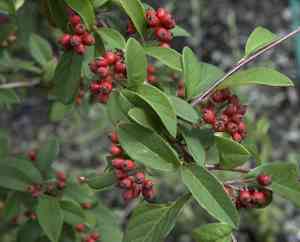
A primary feature of Willow-leaved cotoneaster is its striking look. With its willow-like foliage and charming berries, this plant can add an elegant touch to your garden. The small, glossy leaves offer a lush background, while the vibrant berries introduce splashes of color, transforming any ordinary garden into a visual masterpiece. Whether utilized as ground cover, a hedge, or a specimen plant, Willow-leaved cotoneaster stands out with its inherent beauty.
Adaptability: How Willow-leaved cotoneaster Fits Into Various Landscape Styles
Willow-leaved cotoneaster is incredibly versatile, integrating smoothly into numerous landscape designs. Whether it's a formal garden, a rustic countryside layout, or a modern minimalist scheme, Willow-leaved cotoneaster adapts beautifully. Its flexible growth habits allow it to perform well in diverse settingsâclimbing a trellis, cascading over walls, or forming a neat, low-maintenance hedge. This adaptability makes it an excellent choice for gardeners aiming to create a cohesive landscape design.
Incorporating Willow-leaved cotoneaster with Other Plants
Complementary Plants: What Works Best with Willow-leaved cotoneaster
When designing your garden, it's crucial to consider which plants pair well with Willow-leaved cotoneaster. Flowers like lavender and coneflowers complement Willow-leaved cotoneasterâs foliage and berries, creating a harmonious color scheme. Perennials such as hostas and ferns can add texture and depth, while shrubs like hydrangeas provide contrast and interest. By carefully selecting companion plants, you can enhance the overall beauty and balance of your landscaping.
Creating Color Contrasts: Pairing Willow-leaved cotoneaster for Visual Interest
Crafting striking visual contrasts can make your garden more inviting and dynamic. Combine Willow-leaved cotoneaster with plants that possess different colors, shapes, and sizes. For instance, the deep green of Willow-leaved cotoneasterâs leaves contrasts beautifully with the bright blooms of marigolds or the silver foliage of dusty miller. Such combinations can highlight Willow-leaved cotoneasterâs unique features, making each plant in your garden stand out more vividly.
Practical Benefits of Willow-leaved cotoneaster in Landscaping
Low Maintenance: Understanding the Ease of Willow-leaved cotoneaster Care
One of the greatest advantages of Willow-leaved cotoneaster is its minimal maintenance requirements. Itâs drought-resistant, robust, and resilient to various pests and diseases, making it an ideal choice for gardeners who prefer a low-effort yet high-reward plant. Regular pruning and occasional watering are often all thatâs needed to keep Willow-leaved cotoneaster healthy and thriving. This ease of care allows you to enjoy a beautiful garden without extensive upkeep.
Environmental Impact: How Willow-leaved cotoneaster Affects Local Ecology
Willow-leaved cotoneaster has a positive effect on the local environment. Its dense foliage provides shelter for small wildlife, while its berries serve as a food source for birds, making it a beneficial addition to eco-friendly gardens. Additionally, Willow-leaved cotoneaster can help control soil erosion on slopes and banks, stabilizing the ground with its root system. By incorporating Willow-leaved cotoneaster into your landscaping, youâre not only beautifying your space but also supporting local biodiversity.
Design Techniques and Placement Ideas for Willow-leaved cotoneaster
Strategic Placement: Maximizing Impact and Functionality
Strategic placement of Willow-leaved cotoneaster in your garden can maximize both its visual appeal and practical use. Use it as a ground cover for large areas to create a lush, carpet-like effect. Position it along pathways or borders to create a natural, flowing transition between garden sections. Alternatively, use Willow-leaved cotoneaster to frame garden beds or highlight architectural features. By thoughtfully positioning Willow-leaved cotoneaster, you can create a garden that is both aesthetically pleasing and functional.
Integration into Thematic Gardens: Ideas for Willow-leaved cotoneaster
Willow-leaved cotoneaster integrates effortlessly into thematic gardens. For a cottage garden, combine Willow-leaved cotoneaster with other classic plants like roses and peonies to create a romantic, old-world charm. In a Mediterranean-style garden, pair it with drought-tolerant plants like lavender and rosemary for a cohesive, water-wise design. Willow-leaved cotoneasterâs adaptability means it can complement a variety of themes, from Japanese zen gardens to contemporary landscapes, allowing you to tailor your garden to your personal style and preferences.
Year-Round Interest: How Willow-leaved cotoneaster Transforms with the Seasons
Seasonal Changes in Willow-leaved cotoneaster: Visual Guide
One of the most appealing aspects of Willow-leaved cotoneaster is how it transforms throughout the year, offering continuous visual interest. In spring, Willow-leaved cotoneaster produces delicate white flowers that attract pollinators. By summer, these flowers give way to bright red berries, providing a colorful display. In autumn, the foliage turns a lovely shade of red or orange, creating a warm, seasonal palette. Even in winter, Willow-leaved cotoneaster maintains structural interest with its evergreen leaves and lingering berries, ensuring your garden remains attractive all year round.
Maintaining Aesthetic Consistency Throughout the Year
To maintain aesthetic consistency with Willow-leaved cotoneaster throughout the year, consider the seasonal attributes of companion plants. Choose plants that bloom at different times or have foliage that changes color seasonally, complementing Willow-leaved cotoneasterâs cycle. Regular pruning and care will also help keep Willow-leaved cotoneaster looking its best. By planning and maintaining your garden with the changing seasons in mind, you can ensure that Willow-leaved cotoneaster continues to enhance your landscape no matter the time of year.



