How to Propagate Willow-leaved cotoneaster?
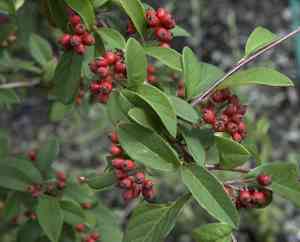
This decorative bush, prized for its abundant leaves and structure, is frequently multiplied via cuttings. Cultivators ought to choose robust, semi-woody sections. Score the bottom and immerse in rooting compound for enhanced outcomes. Insert the prepared cuttings into a porous potting blend, guaranteeing elevated humidity and diffused illumination for peak root formation. Consistent dampness is vital, yet steer clear of oversaturation to avert decay.
Optimal Time for Willow-leaved Cotoneaster Propagation
Propagation Method
Cuttings
Propagation Period
Spring,Summer
Essential Tools for Willow-leaved Cotoneaster Propagation
Sharp pruning shears
These are crucial for making precise cuts from willow-leaved cotoneaster, helping to prevent harm to the parent plant and ensuring each cutting has a smooth, healthy cut surface. This aids in better root development during the cutting stage and prevents infections.
Rooting hormone
A powdered or liquid substance that encourages root growth on new willow-leaved cotoneaster cuttings. Applying rooting hormone to the cut end of a stem before planting can significantly boost rooting success, leading to quicker establishment and stronger root systems.
Sterile potting mix
This is vital for providing a disease-free environment for new willow-leaved cotoneaster cuttings, minimizing the risk of soil-borne illnesses affecting the delicate new roots. The mixture should be light and well-draining to support the specific needs of willow-leaved cotoneaster cuttings, which require good air circulation and moisture retention without becoming waterlogged.
Small pots or trays
These containers are used to plant and initially cultivate the new willow-leaved cotoneaster cuttings. Ensuring they have sufficient drainage holes is critical to prevent water accumulation and root rot. Using small individual pots or divided trays helps in managing the cuttings separately, accommodating their growth needs without disturbance.
Plant labels and marker
Used to identify each willow-leaved cotoneaster cutting with the propagation date and any other pertinent information. This is important for monitoring the cuttings' progress and maintaining appropriate care routines.
Misting bottle
Used to provide moisture to the willow-leaved cotoneaster cuttings without overwatering, which is crucial in the early stages of root development. Regular misting helps maintain adequate humidity around the cuttings, encouraging root growth and preventing them from drying out.
How to Propagate Willow-leaved Cotoneaster?
Propagation Type
Moderately Difficult
Caring for Your Newly Propagated Willow-leaved Cotoneaster
Caring for Your Newly Propagated Willow-leaved Cotoneaster
Once roots have formed, gradually acclimate the new willow-leaved cotoneaster to less humid conditions by removing the plastic covering for increasing durations over a week. After rooting, transplant the willow-leaved cotoneaster into a larger pot or outdoor area with well-draining soil. Water the willow-leaved cotoneaster regularly to keep the soil moist until it is fully established and showing new growth, then reduce watering frequency. Prune as needed to encourage bushy growth and maintain the desired shape. Fertilize with a balanced, slow-release fertilizer according to package directions, typically in the spring as the growing season commences.
Common Errors to Avoid When Propagating Willow-leaved Cotoneaster
Overwatering cuttings
Keeping the soil excessively wet can lead to rot, as willow-leaved cotoneaster's cuttings prefer well-draining conditions. Overwatering can reduce oxygen availability, promote fungal growth, and ultimately kill potential roots before they develop.
Taking non-woody stems
Selecting green or non-woody stems for cuttings may result in poor root development because these parts of willow-leaved cotoneaster generally lack the necessary maturity and reserves to support new root growth.
Ignoring hygiene
Not sterilizing cutting tools can introduce pathogens that harm willow-leaved cotoneaster's cuttings. Because willow-leaved cotoneaster is at a vulnerable stage during propagation, any added stress from disease can impede or prevent successful rooting and growth.
Planting too deeply
Inserting cuttings too deep can cause willow-leaved cotoneaster's stem to rot, as the base requires exposure to air and only the lower part of the stem should be in the soil to form roots effectively.
Tips For Propagating Willow-leaved Cotoneaster
Use semi-hardwood cuttings
Semi-hardwood cuttings taken from willow-leaved cotoneaster during its growth phase have the ideal balance of maturity and vigor for successful root formation. They are better than softwood cuttings, which may wilt or rot more readily, and hardwood cuttings, which can take longer to root.
Rooting hormone application
Dipping willow-leaved cotoneaster's cutting ends in rooting hormone can enhance root development and stimulate faster growth. However, make sure to follow instructions carefully to avoid overapplication, which can damage the cutting.
Proper irrigation
Maintain evenly moist soil while willow-leaved cotoneaster's cuttings are rooting. This ensures adequate water availability without causing waterlogging, which promotes healthy root development while preventing rot.
Adequate Light and Warmth
Provide willow-leaved cotoneaster with bright, indirect light and a warm environment to encourage root growth. Direct sunlight should be avoided as it can lead to excessive heat and drying out of the cuttings.



