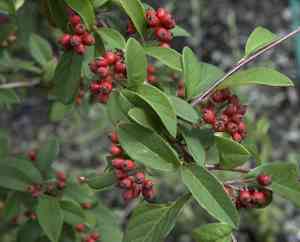
Willow-leaved cotoneaster (Cotoneaster salicifolius)
Also known as: Willow-leaf cotoneaster
The plant you're referring to is likely the Willow-leaved Cotoneaster (Cotoneaster salicifolius). This medium-sized shrub features somewhat evergreen leaves, produces large clusters of white flowers, and bears red berries. It is also known to be toxic.
Attributes of Willow-leaved cotoneaster
Images of Willow-leaved cotoneaster
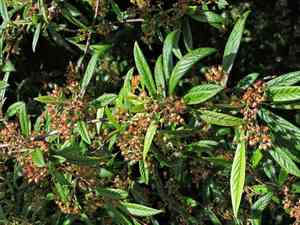
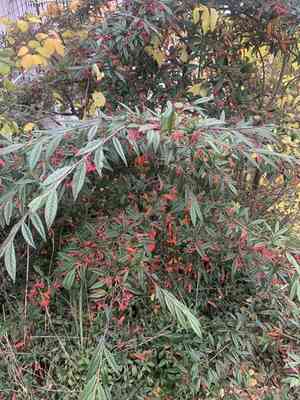
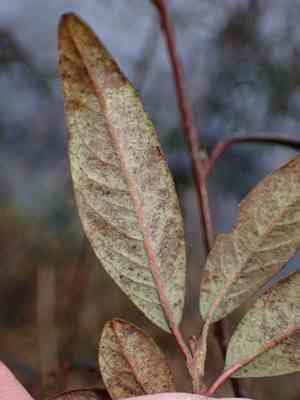
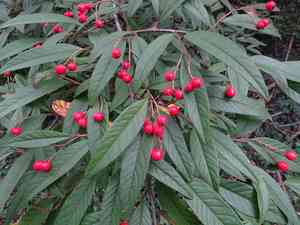
Quickly Identify Willow-leaved cotoneaster
Scientific Classification of Willow-leaved cotoneaster
Planting and Growing of Willow-leaved cotoneaster
 How to Water Willow-leaved cotoneaster?
 What Are the Sunlight Requirements for Willow-leaved cotoneaster?
 What Is the Ideal Temperature Range for Willow-leaved cotoneaster?
 What Soil is Best for Willow-leaved cotoneaster?
 How to Fertilize Willow-leaved cotoneaster?
 How to Prune Willow-leaved cotoneaster?
 How to Propagate Willow-leaved cotoneaster plant?
 How to Repot Willow-leaved cotoneaster plant?
Toxicity of Willow-leaved cotoneaster
Is Willow-leaved cotoneaster toxic to humans?
The willow-leaved cotoneaster presents a slight toxicity hazard to humans if consumed. This entire plant harbors cyanogenic glycosides, which may be detrimental when ingested. Upon consumption, these substances can produce cyanide within the body, resulting in symptoms such as breathing difficulties, dizziness, and nausea. In more extreme situations, ingestion could lead to vomiting, convulsions, and a decrease in blood pressure. It is essential to exercise caution and avert accidental consumption of any part of the willow-leaved cotoneaster, particularly by children who may be attracted to its berries.
Is Willow-leaved cotoneaster toxic to cat?
The willow-leaved cotoneaster presents a mild toxic risk to cats if ingested. When cats inadvertently consume any part of this plant, they may exhibit signs of physical discomfort. The entire plant, comprising leaves, stems, and berries, contains toxic compounds known as cyanogenic glycosides, which can pose a danger to felines. Therefore, it is vital to keep cats away from willow-leaved cotoneaster and observe them for any indications of illness. If a cat does ingest willow-leaved cotoneaster, it is imperative to seek prompt veterinary assistance to ensure their safety and timely care.
Is Willow-leaved cotoneaster toxic to dog?
The willow-leaved cotoneaster is recognized for its mild toxicity to dogs. Canines may experience poisoning if they ingest any section of this plant, as every part of the willow-leaved cotoneaster contains toxic substances. Typically, dogs are exposed to the toxin by unintentionally consuming parts of the plant. Upon ingestion of the willow-leaved cotoneaster, a dog might show signs such as vomiting, diarrhea, or abdominal discomfort. The toxic effects are attributed to the presence of cyanogenic glycosides within the plant. If ingestion is suspected, it is crucial for dog owners to seek prompt veterinary attention to ensure their pet receives the necessary treatment.



