How to Transplant Common cotoneaster?
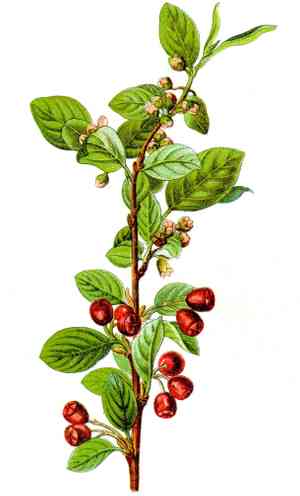
For transplanting common cotoneaster, the moderately warmer period from late spring through early summer is most suitable. Select a location featuring soil that drains effectively and receives either partial or full sunlight. Should it be required, enrich the soil to enhance development following the relocation.
What Preparations are Needed Before Transplanting Common Cotoneaster?
What is the Ideal Time for Transplanting Common Cotoneaster?
Moving common cotoneaster from late spring to early summer is best, taking advantage of warm soil and stable weather. This timing helps roots establish well before winter.
How Much Space Should You Leave Between Common Cotoneaster Plants?
For optimal results when relocating common cotoneaster, ensure approximately 3-4 feet (0.9-1.2 meters) between each plant. Proper spacing allows for ample sunlight and air circulation, vital for the plant's development and health.
What is the Best Soil Mix for Common Cotoneaster Transplanting?
Prepare the soil for common cotoneaster by incorporating a balanced slow-release fertilizer, and ensure it has a sandy, well-draining base to prevent waterlogging. Feel free to add organic compost for extra nutrients!
Where Should You Relocate Your Common Cotoneaster?
Position common cotoneaster in a spot where it receives abundant sunlight, ideally in a full or partially shaded area. Remember, sufficient sun exposure promotes vibrant foliage and beautiful blooms. Happy gardening!
What Equipments Should You Prepare Before Transplantation Common Cotoneaster?
Gardening Gloves
To shield your hands from dirt, sharp tools, and potential insect bites.
Shovel or Spade
Crucial for excavating the plant from its original spot, and for digging a new hole for transplantation.
Watering Can or Hose
Required to hydrate the plant both before and after its relocation.
Mulch
Helps retain soil moisture after the transplanting process.
Garden Trowel
This smaller implement with a pointed, scoop-shaped metal blade is useful for detailed work and carefully extracting the common cotoneaster plant without harming its roots.
Wheelbarrow or Plant Pot
Used to move the plant from one location to another without causing damage.
How Do You Remove Common Cotoneaster from the Soil?
How Do You Remove Common Cotoneaster from the Soil?
From Ground: First, thoroughly water the common cotoneaster plant to soften the soil for easier digging. Use the shovel to dig a wide circle around the plant's base, making sure to keep the root ball intact. Then, gently slide the spade under the root ball and lift the plant from the ground. It's wise to have a wheelbarrow or container ready to place the plant in to minimize root exposure.From Pot: First, water the common cotoneaster plant. Then, place your hand over the top of the pot, with the stem between your fingers. Invert the pot while gently pulling the plant. It should slide out easily with the soil and roots intact.From Seedling Tray: Using your trowel, carefully loosen the soil around the seedling. Then gently lift it from its tray, ensuring as much soil as possible remains around the roots.
Step-by-Step Guide for Transplanting Common Cotoneaster
Preparation
Start by ensuring the chosen spot in your garden is ready for the common cotoneaster. This involves confirming it has ample room to grow, no competing plants nearby, and is free of any debris.
Digging
Using your shovel, excavate a hole that is twice the width of the common cotoneaster plant's root ball and the same depth.
Placement
Carefully position your common cotoneaster plant in the hole. Ensure the top of the root ball is level with the surrounding soil.
Backfilling
Begin refilling the hole with the excavated soil, tamping it down as you go to eliminate any air pockets.
Watering
Thoroughly water the plant after settling it in its new location.
Mulching
Spread a layer of mulch around the plant's base, but keep it away from the stem. This helps retain moisture and suppress weeds.
How Do You Care For Common Cotoneaster After Transplanting?
Monitoring
Observe the plant's health closely after transplantation. Yellowing leaves or wilting can indicate shock. If this occurs, ensure the common cotoneaster receives adequate water and consider using a shade cloth to shield it from intense sunlight until it recovers.
Pruning
Avoid any significant pruning for at least a year after transplanting to allow the common cotoneaster to establish itself. However, you can immediately remove any dead or damaged branches.
Watering
Be cautious with watering – it's always better to under-water than over-water. Pay attention to the plant's appearance and adjust irrigation accordingly.
Inspection
Regularly check the common cotoneaster for any signs of pests or diseases and address them promptly.
Troubleshooting Common Issues with Common Cotoneaster Transplantation.
When is the best time to transplant common cotoneaster?
The optimal period to transplant common cotoneaster is during late summer to early autumn (S3-S4). Utilizing cooler temperatures and softer light will ensure less stress for the plant.
How much spacing should be maintained between each common cotoneaster?
Plant common cotoneasters approximately 3-4 feet (0.91-1.22m) apart. This provides each plant sufficient room to grow and flourish without overcrowding.
How do I ensure the common cotoneaster takes root after transplanting?
After transplanting, gently press the soil around the common cotoneaster to ensure good contact between the roots and the soil. Water regularly but avoid over-saturation.
How should the soil be prepared for transplanting common cotoneaster?
Loosen the soil to the depth of the root ball or container before planting common cotoneaster. Adding organic matter improves soil structure and enhances water retention.
Why is my transplanted common cotoneaster failing to thrive?
Your common cotoneaster may be experiencing transplant shock. Ensure it receives enough water, but avoid creating overly damp conditions. Use a nutrient-rich compost to encourage growth.
What signs should I look for that my common cotoneaster has successfuly adapted post-transplantation?
Successful adaptation of common cotoneaster post-transplantation can be identified by new growth on the shoots and an absence of wilting or yellowing leaves.
What should the depth of planting hole for common cotoneaster be?
The planting hole for common cotoneaster should be twice the width and the same depth as the root ball. This ensures ample room for root development.
What kind of sunlight conditions are ideal for a newly transplanted common cotoneaster?
The common cotoneaster can tolerate direct sunlight, but providing it with a spot that has partial shade, especially in the afternoon, can help it adjust to its new location.
How often should the newly transplanted common cotoneaster be watered?
Water the transplanted common cotoneaster deeply immediately after planting. Afterward, maintain a consistent watering schedule, keeping the soil continuously moist but not waterlogged.
Should I fertilize common cotoneaster after transplanting?
Wait 2-3 weeks post-transplant before fertilizing your common cotoneaster. This allows the roots time to recover and reduces the risk of burning them.



