The Hidden Danger in Your Home? Unmasking the Toxicity of the Common cotoneaster Plant.
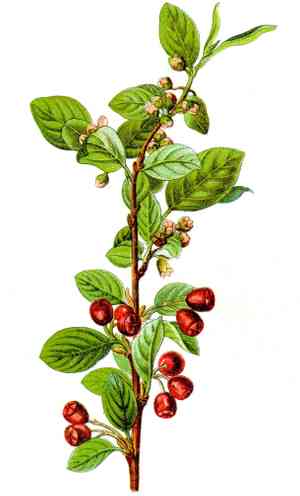
1
Common cotoneaster presents a low level of toxicity to felines, potentially leading to signs of distress or sickness if consumed in significant amounts.
2
Prompt veterinary care is essential should pets consume any part of common cotoneaster, to address potential health issues efficiently.
3
Pet guardians ought to restrict animal access to common cotoneaster, particularly when it bears fruit, to avert the danger of intoxication.
Is Common cotoneaster harmful to felines?
Common cotoneaster presents a slight danger to cats. Ingesting significant amounts of its berries or foliage can cause harm. After consuming parts of common cotoneaster, a cat might show signs of discomfort or sickness. While the exact harmful substances aren't specified, the plant is a hazard, and owners should keep it out of reach of their pets. If poisoning is suspected, prompt veterinary care is vital for the cat's well-being.
Is Common cotoneaster harmful to canines?
Common cotoneaster carries a low toxicity risk for dogs. Dogs can be poisoned by this plant if they eat a lot of its berries or leaves. Poisoning symptoms can differ but may include digestive issues like throwing up and loose stools, plus possible sluggishness or other distress signals. It's important for dog owners to watch their pets carefully and stop them from getting to common cotoneaster, particularly when berries are present, as the urge to eat them is greater. If a dog is thought to have eaten parts of common cotoneaster, immediate vet care is necessary for correct treatment and care.



