The Common cotoneaster Plant Advantage: Maximizing Home and Office Appeal and Wellness
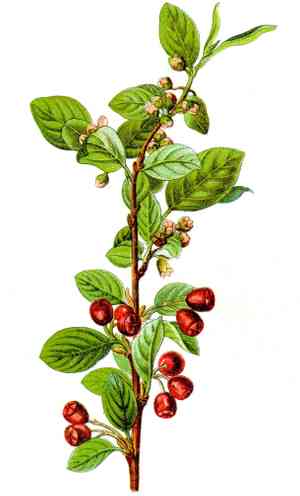
1
The common cotoneaster is a hardy plant capable of flourishing in diverse soil compositions and environments.
2
Its robust root network makes this plant an ideal option for preventing soil erosion.
3
Common cotoneaster yields vibrant red fruits, which can draw in birds and enhance your garden's visual appeal.
Why Select Common Cotoneaster for Your Garden?
Versatility and Resilience
A key feature of Common cotoneaster is its remarkable capacity to adapt. This plant flourishes in diverse soil types, including clay, loam, and sandy compositions. It also grows well in both full sun and partial shade, making it a flexible option for various garden settings. Furthermore, Common cotoneaster resists many common plant ailments and pests, significantly lessening the need for chemical interventions and fostering a healthier garden ecosystem.
Erosion Prevention
The dense root structure of Common cotoneaster makes it an excellent choice for preventing soil erosion. When planted on inclines or in areas prone to erosion, its extensive root network helps secure the soil, preventing loss and promoting stability. This is especially advantageous for landscapes with uneven terrain or gardens situated on hillsides.
Visual Appeal
Common cotoneaster enhances your garden's beauty year-round with its attractive leaves and vibrant berries. During the active growth period, the plant's small, shiny foliage creates a lush, green backdrop that complements other garden plants. In autumn and winter, the bright red berries add a splash of color, creating visual interest and boosting the garden's overall charm. Its consistent beauty makes it a favorite among gardeners aiming for attractive and dynamic landscapes.
How Does Common Cotoneaster Benefit Local Wildlife?
Providing Sustenance for Birds
The bright red berries produced by Common cotoneaster are not only visually appealing but also serve as a vital food source for birds. Species such as thrushes, waxwings, and blackbirds are known to consume these berries, transforming your garden into a haven for local wildlife. By planting Common cotoneaster, you contribute to the local ecosystem and support bird populations, which in turn aids in seed dispersal and pest control.
Creating Sanctuaries
Common cotoneaster offers excellent refuge and nesting sites for various bird species. Its dense foliage and branching structure provide a safe haven for birds to build nests and protect their young from predators. Additionally, the plant's flowers attract pollinators like bees and butterflies, further boosting biodiversity in your garden. By nurturing diverse wildlife, Common cotoneaster helps establish a balanced and thriving ecosystem.
What Are the Ecological Advantages of Common Cotoneaster?
Soil Health Improvement
Common cotoneaster plays a crucial role in enhancing soil health. The plantâs root system helps to improve soil structure by increasing porosity and reducing compaction. This facilitates better water infiltration and air circulation, which are essential for healthy plant growth. Moreover, the organic matter from fallen leaves and decomposed plant material adds nutrients to the soil, enriching it and promoting a more fertile gardening environment.
Reduced Chemical Usage
Due to its natural resistance to many pests and diseases, Common cotoneaster lessens the need for chemical pesticides and herbicides. This eco-friendly aspect not only minimizes the risk of chemical contamination in your garden but also protects beneficial insects and pollinators. By choosing Common cotoneaster, you contribute to a more sustainable gardening practice that prioritizes environmental well-being.
How to Care for Common Cotoneaster in Your Garden?
Planting and Hydration Needs
To ensure optimal growth, plant Common cotoneaster in well-draining soil and water it regularly during the initial establishment phase. Once rooted, this plant is drought-tolerant and requires less frequent watering. Mulching around the plant's base can help retain moisture and suppress weeds, creating a more favorable growing environment.
Trimming and Upkeep
Common cotoneaster is relatively low-maintenance but benefits from periodic trimming to maintain its shape and encourage healthy growth. Prune the plant in late winter or early spring before new growth begins, removing any dead or damaged branches. This not only improves the plant's appearance but also promotes better air circulation and reduces the risk of disease.



