How to Overwinter Common cotoneaster
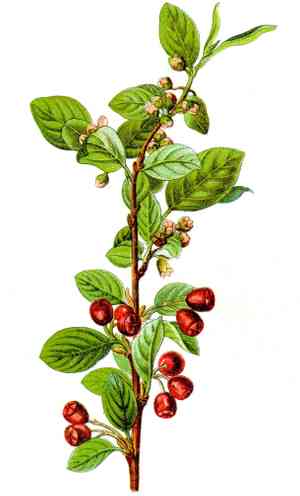
1
Common cotoneaster tolerates cold well, enduring temperatures down to -20°C (-4°F).
2
Adequate mulching helps safeguard the Common cotoneaster's root structure in colder months.
3
Frequent checks in winter can deter pests and limit disease propagation.
Is Common cotoneaster Frost Hardy?
Is Common cotoneaster Frost Hardy?
Indeed, the Common cotoneaster is a plant that tolerates frost well. This hardiness makes it an excellent choice for gardens experiencing cold winters. Originating from various parts of Europe and Asia, the Common cotoneaster can endure temperatures as low as -20°C (-4°F). This trait allows it to survive and flourish even when the weather becomes frosty, though proper winter preparation can help ensure the plant's health and longevity.
Essential Preparation Steps for Overwintering
Assessing Plant Health
Start your winter preparations by evaluating the health of your Common cotoneaster. Look for indications of stress, illness, or pest infestations. Remove any unhealthy or dead branches and leaves. Pruning damaged sections not only encourages better growth in spring but also prevents the spread of potential diseases.
Soil and Mulching Techniques
Healthy soil is crucial for winter survival. Ensure your Common cotoneaster is planted in soil that drains well to prevent root rot from excessive moisture. Apply a mulch layer, approximately 5-10 centimeters (2-4 inches) thick, to insulate the roots. Organic mulches like straw, leaves, or bark are most effective. This layer helps retain soil moisture and regulate temperature, keeping roots warmer during freezing nights.
Watering Guidelines
Reduce watering as winter approaches, but ensure the plant is adequately hydrated before the ground freezes. Water the plant deeply - about 1 inch (2.5 cm) per watering session - prior to the first significant frost. This moisture is vital as it helps the plant withstand the dry winter air. However, avoid overwatering, as waterlogged soil can lead to root rot.
Protecting Common cotoneaster from Frost
Using Protective Covers
Covering your Common cotoneaster can provide an additional layer of defense against severe frost. Utilize materials such as burlap or frost cloths to wrap the plant during extremely cold periods. Ensure the cover is secure but allows some air circulation to prevent mold growth. Remove the cover on sunny, warmer days to allow the plant to breathe.
Wind Barriers
Cold winds can be detrimental, drawing moisture from the plant and exacerbating frost damage. Erecting wind barriers using burlap, snow fencing, or even strategically placed other plants can lessen the wind exposure to your Common cotoneaster. These barriers aid in maintaining a more stable micro-environment around your plant.
Ideal Storage Conditions for Potted Common cotoneaster
Indoor Locations
For potted Common cotoneaster, relocating them to a sheltered indoor spot can offer optimal protection. Suitable places include unheated garages or basements where temperatures stay cool but do not drop below freezing. Ensure the location provides sufficient light to sustain the plant through the winter.
Greenhouses
Greenhouses provide a controlled setting, shielding your potted Common cotoneaster from harsh winter conditions. Ensure the greenhouse is well-ventilated and maintains temperatures above freezing. Regularly check for pests and confirm the plant receives adequate light and water during its indoor stay.
Monitoring and Maintenance During Winter
Regular Inspections
Throughout the winter, make it a routine to inspect your Common cotoneaster frequently. Look for any indications of damage, pests, or disease. Early detection and intervention can prevent more significant problems later on.
Pest and Disease Checks
Pests and diseases can persist even in colder conditions. Watch for signs like chewed leaves or discolored stems. Use insecticidal soap or neem oil to address minor infestations, but for major issues, consider consulting a gardening expert.
Adjusting Care as Needed
Be flexible in your care approach. If the weather becomes colder than anticipated, add extra mulch or increase the frequency of checks. Conversely, if there's a warmer period, remove protective covers to allow the plant to breathe. Adaptability in care is crucial for ensuring your Common cotoneaster remains healthy.



