How to Prune Common cotoneaster?
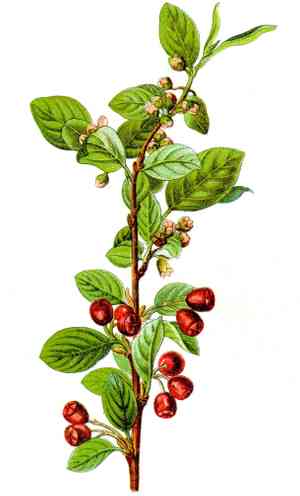
This leaf-shedding bush, recognized for its vibrant fruit and lustrous foliage, greatly profits from trimming. For Cotoneaster 1, consistent cutting preserves its form and fosters robust development. Perform pruning in early spring prior to the emergence of new shoots. Thinning cuts enhance air movement, whereas heading cuts stimulate more compact foliage. Eliminate any dead or ailing branches, and shorten excessively long stems to a healthy bud to revitalize the specimen. Pruning not only boosts the shrub's vitality but also its aesthetic charm.
Benefits of Pruning Common Cotoneaster
Benefits of Pruning Common Cotoneaster
Pruning common cotoneaster encourages robust development, allowing more light and air to reach inner branches. It helps maintain its desired form and dimensions, ensuring the plant stays attractive and well-managed in a garden.
Optimal Pruning Time for Common Cotoneaster
Optimal Pruning Time for Common Cotoneaster
Pruning common cotoneaster in early spring is advisable as it allows gardeners to assess and remove winter damage before active growth begins. This timing prevents undue stress on common cotoneaster, as pruning during active growth can hinder development or reduce vigor. Furthermore, since common cotoneaster may flower and fruit later in the year, early spring pruning ensures that shaping and size reduction do not negatively impact its ability to produce flowers and fruit, which typically form on the previous year's growth. Thus, this timing aligns with common cotoneaster's natural growth cycle, fostering healthier plants with good structure and abundant flowering and fruiting.
Tools for Pruning Common Cotoneaster
Hand Pruners
Perfect for making clean, precise cuts on common cotoneaster's smaller branches and twigs, promoting healthy regrowth.
Loppers
Essential for cutting common cotoneaster's thicker branches, typically up to 2 inches in diameter. Their long handles provide leverage for easier pruning.
Pruning Saw
For common cotoneaster's largest branches that hand pruners and loppers cannot manage, a pruning saw allows for efficient removal without harming the plant.
Hedge Shears
Useful for shaping common cotoneaster when trimming hedges or creating a specific form. They enable even, straight cuts across multiple small branches.
Gloves
To protect the gardener's hands from thorns and rough branches while pruning common cotoneaster.
Pruning Sealant
Though not a tool, applying a sealant to larger cuts on common cotoneaster can prevent disease and aid healing.
How to Prune Common Cotoneaster
Step1: Optimal Pruning Timing
Determine the best time to prune common cotoneaster, which is late winter to early spring before new growth starts. This timing ensures cuts heal quickly without undue stress on the plant.
Step2: Tool Preparation and Sanitation
Prepare clean and sharp bypass pruners or loppers to prevent disease spread and make precise cuts. Disinfect tools before and after use to minimize infection risks.
Step3: Dead Wood Removal Technique
Begin by removing dead wood. Identify dead branches â they will be dry, brittle, and lack live buds. Make cuts at a 45-degree angle, about 1/4 inch above a live bud or branch to encourage healthy new growth.
Step4: Identifying and Pruning Diseased Branches
Inspect common cotoneaster for diseased branches. Look for discoloration, cankers, or any signs of fungal growth. Prune these branches back to healthy tissue, cutting well below the affected areas.
Step5: Thinning and Preventing Internal Damage
As you remove dead and diseased wood, thin the shrub's interior by removing any crossing or rubbing branches to prevent future damage and disease.
Step6: Selective Shaping and Trimming
After removing dead and diseased branches, if further shaping is needed, selectively shorten long, unbranched stems to maintain the desired form. Cut just above a set of leaves or a branch junction.
Step7: Clipping Cleanup and Disease Prevention
Clear all clippings and debris from around common cotoneaster's base to deter potential pests or diseases from inhabiting the leftover plant material.
Step8: Post-Pruning Watering and Mulching
Water common cotoneaster immediately after pruning to aid recovery and reduce pruning stress. Mulch around the base without touching the trunk to conserve moisture and regulate soil temperature.
Step9: Growth Monitoring and Maintenance Pruning
Monitor common cotoneaster after pruning for signs of new growth and health. If additional diseased or dead branches appear during the growing season, they can be removed as needed.
Post-Pruning Care for Common Cotoneaster
Post-Pruning Care for Common Cotoneaster
Immediately after pruning, common cotoneaster needs sufficient water to recover. Ensure it's in an environment with balanced light and protected from extreme temperatures. Regulate humidity to prevent stress. Apply a balanced fertilizer to support growth, avoiding overfeeding. Regularly check common cotoneaster for signs of stress, such as discolored leaves or wilting, and address any issues promptly to ensure its robust growth and health.
Common Pruning Mistakes with Common Cotoneaster
Disregarding Plant's Natural Shape
Ignoring common cotoneaster's natural form, which can result in an unbalanced and unnatural appearance of the bush.
Over-pruning and Cutting too Close
Cutting too close to main stems or removing excessive growth, potentially harming the plant's health and vitality.
Using Unclean or Dull Tools
Using unclean or dull pruning tools, which can introduce disease and lead to rough, jagged cuts that impede the healing process.
Pruning Without Purpose
Pruning without a clear objective, such as shaping, removing dead wood, or controlling size, which can cause unnecessary stress to common cotoneaster.
Failing to Thin Dense Growth
Neglecting to thin out dense areas, leading to poor air circulation and light penetration crucial for robust growth and flower production.
Common Pruning Tips for Common Cotoneaster
Clean, Sharp Cuts for Disease Prevention
Use clean, sharp tools to make precise cuts that will heal quickly and minimize disease risk.
Prune Above Outward-Facing Buds
Prune just above a bud or branch facing outwards to encourage outward growth and maintain common cotoneaster's natural form.
Thinning for Better Air Flow and Light
Thinning the plant's center by removing some older branches at the base will improve air flow and light penetration, promoting a healthier plant with better blooms.
Staggered Pruning for Rejuvenation
For rejuvenating an overgrown common cotoneaster, staggered pruning over several seasons is recommended to incrementally reduce size without overly stressing the plant.
Remove Dead or Diseased Branches
Always prioritize removing any dead, diseased, or damaged branches to preserve common cotoneaster's vigor and aesthetic and to prevent pathogen spread.



