How to Propagate Common cotoneaster?
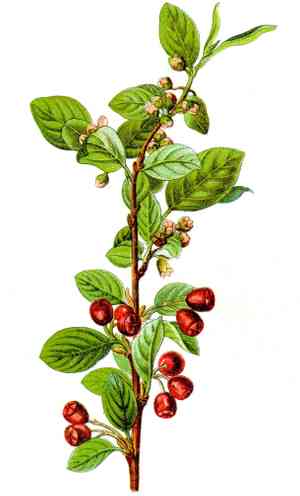
Cotoneaster 1 is most effectively multiplied during the fall and winter seasons utilizing techniques like stem cuttings and air layering. This particular plant presents a moderate challenge for propagation, yet successful outcomes are indicated by the emergence of fresh shoots. Provide appropriate nurturing to enhance the likelihood of success.
When Is the Optimal Time to Propagate Common Cotoneaster?
Propagation Type
Cutting
Propagation Season
Fall,Winter
What Implements Are Utilized for Common Cotoneaster Propagation?
Sharp pruning shears
Essential for obtaining common cotoneaster cuttings, sharp pruning shears ensure a clean incision, preventing harm to the parent plant or the cutting. Clean cuts deter infection and encourage superior root development once planted.
Rooting hormone powder
This substance promotes root formation on common cotoneaster cuttings. Applying rooting hormone to the cut end before planting boosts the likelihood of successful root growth, giving the cutting a robust start for healthy development.
Sterilizing agent (e.g., isopropyl alcohol)
Sterilizing agents are employed to sanitize pruning shears before and after taking common cotoneaster cuttings. This prevents disease transmission between plants and is vital for preserving the plant's overall health during propagation.
Soilless potting mix
A clean, sterile, soilless potting mix offers the perfect medium for rooting common cotoneaster cuttings. It is free of pathogens and provides the necessary aeration and moisture retention to support new root development.
Plant pots with drainage holes
Appropriate pots facilitate proper water runoff, crucial for preventing root rot in common cotoneaster cuttings. The correct pot size encourages growth while ensuring the cutting isn't unduly stressed by excessive space.
Plastic covers or propagation domes
These items create a humid microclimate around common cotoneaster cuttings, which is beneficial for retaining moisture and stimulating root growth. Consistent humidity is critical for cuttings to thrive before root establishment.
Heat mat (optional)
While common cotoneaster may not strictly require extra warmth for root development, a heat mat can aid in establishing a more consistent and favorable rooting environment, particularly in cooler conditions.
How to Nurture Your Newly Propagated Common Cotoneaster?
How to Nurture Your Newly Propagated Common Cotoneaster?
Once rooting is successful, carefully transfer the common cotoneaster to a larger container with standard potting soil. Place the plant in an area receiving full sun to partial shade and provide consistent watering for establishment. As common cotoneaster becomes drought-tolerant once mature, reduce irrigation. Shield from harsh winter weather based on your climate zone.
Common Errors to Avoid When Propagating Common Cotoneaster
Insufficient cutting preparation
Many gardeners might take cuttings without considering the branch's health and maturity. If cuttings are too young or diseased, they are less likely to root successfully, leading to poor growth or propagation failure.
Excessive watering
While moisture is vital for rooting, too much water can cause rot in common cotoneaster cuttings. Overwatering creates an anaerobic environment that can impede root development and introduce fungal diseases.
Ignoring sanitation
Using unclean tools or containers can introduce pathogens to common cotoneaster cuttings, potentially causing infections that hinder rooting and plant growth.
Neglecting post-care
After common cotoneaster cuttings are planted, overlooking aftercare such as proper lighting, humidity, and temperature can result in poor root establishment and growth.
Advice for Propagating Common Cotoneaster
Healthy cuttings
Always choose healthy, semi-hardwood common cotoneaster cuttings that are free from pests and diseases. This increases the likelihood of successful rooting.
Moisture control
Maintain consistent moisture levels in the soil where common cotoneaster cuttings are planted, but ensure good drainage to prevent rot.
Sterilize equipment
Clean all tools and containers before cutting and planting common cotoneaster to prevent the spread of diseases.
Aftercare environment
Place the common cotoneaster cuttings in a location with appropriate indirect light and manage a humid environment – covering them with a plastic bag can help maintain high humidity levels.



