How to Transplant Spanish cedar?
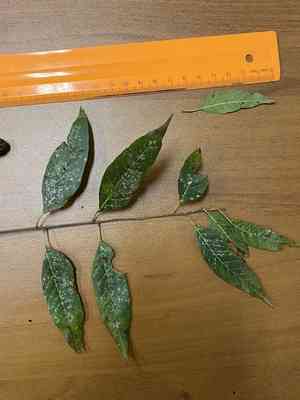
For Cedrela odorata, the height of spring's warmth provides the ideal period for relocation, allowing roots to establish prior to summer. Choose a bright, adequately drained location and maintain slightly damp soil after transplanting to facilitate adaptation.
What Preparations are Needed Before Transplanting Spanish Cedar?
What is the Ideal Time for Transplanting Spanish Cedar?
The perfect time for moving spanish cedar is in late spring, extending through its final weeks. This period offers spanish cedar the full benefit of mild temperatures and stable growing conditions it needs. The pleasant weather ensures a smooth transition, allowing roots ample chance to establish in moist, nourishing soil before summer's intensity. By selecting this optimal window for transplanting, you're setting up spanish cedar for robust growth.
How Much Space Should You Leave Between Spanish Cedar Plants?
To ensure our spanish cedar thrives, aim to provide each plant with a spacing of 20-30 feet (6-9 meters). This will offer sufficient room for development without crowding, allowing every spanish cedar to reach its full potential!
What is the Best Soil Mix for Spanish Cedar Transplanting?
For our spanish cedar, we'll need soil that drains well and is rich in organic matterâthink loamy soil. Before transplanting, mix in some aged compost or a balanced, slow-release fertilizer to prepare the soil. This initial feeding will give your spanish cedar an excellent start!
Where Should You Relocate Your Spanish Cedar?
Our spanish cedar loves sunlight! Choose a location where it can receive full sun for most of the day. This bright spot will help spanish cedar grow healthy and strong. Avoid heavily shaded areas to ensure your spanish cedar gets enough light to flourish!
What Equipments Should You Prepare Before Transplantation Spanish Cedar?
Gardening Gloves
To shield your hands while handling soil and plants.
Shovel or Spade
For excavating the plant and preparing the new site.
Watering Can or Hose
For hydrating the plant before and after relocation.
Wheelbarrow or Garden Cart
To move the plant and soil efficiently.
Pruning Shears
For trimming any damaged roots or branches.
Garden Fork
To loosen the soil surrounding the plant's root system.
Tarp or Burlap
To keep the soil intact around the root ball during transport.
Stake and Ties
To provide support for spanish cedar if needed post-transplant.
How Do You Remove Spanish Cedar from the Soil?
How Do You Remove Spanish Cedar from the Soil?
From Ground: Water spanish cedar thoroughly to moisten the soil. Then, dig a wide circle around the plant with a shovel or spade, being careful not to harm the root ball. Gently insert the spade beneath the root ball and carefully lift the plant from the ground.From Pot: Begin by watering the soil in the pot to facilitate removal. Tilt the pot sideways and gently tap the sides and bottom to loosen the soil. Hold the base of spanish cedar and slide it out with the root ball intact.From Seedling Tray: Water the tray well before starting. Use a garden fork or similar tool to carefully lift individual spanish cedar seedlings from their cells, taking care not to damage the delicate roots.
Step-by-Step Guide for Transplanting Spanish Cedar
Tool Preparation
Gather all necessary tools and equipment as listed in the transplanting tools section.
Prepare spanish cedar
Water the plant thoroughly before beginning, whether it's in the ground, pot, or seedling tray, to reduce transplant shock and ease removal.
Root Ball Care
Carefully expose and remove the root ball of spanish cedar from its current spot, as described in the removal process, keeping as much soil around the roots as possible.
Transportation
Move spanish cedar to its new location, using a wheelbarrow, garden cart, or tarp to prevent damage to the plant and root ball.
Planting Hole
Dig a hole in the ground at the new site, making it twice as wide and the same depth as the root ball to allow ample room for expansion.
Placement
Position spanish cedar in the center of the hole, ensuring it's straight and at the correct depth, with the top of the root ball level with the surrounding soil surface.
Soil Refill
Fill the hole with soil, gently firming it down around the root ball to eliminate air pockets.
Watering
Water the plant generously to settle the soil and provide hydration. Avoid overwatering or creating soggy conditions.
Support Installation
If spanish cedar requires support, install a stake and gently tie the plant to it, allowing some room for movement.
How Do You Care For Spanish Cedar After Transplanting?
Maintenance Pruning
Trim any broken or damaged branches to direct spanish cedar's energy towards establishing new roots.
Watering
Provide water regularly to maintain moist soil, especially during the initial weeks, as spanish cedar adjusts to its new environment.
Mulching
Apply a layer of organic mulch around the base of spanish cedar to conserve moisture and regulate soil temperature.
Staking
Check stakes and ties periodically, adjusting as needed to ensure spanish cedar's stability while avoiding constriction as it grows.
Observation
Monitor spanish cedar's health, looking for signs of stress or disease, and respond promptly to any issues.
Troubleshooting Common Issues with Spanish Cedar Transplantation.
When is the best time to transplant spanish cedar?
The optimal period to transplant spanish cedar is during mid to late spring when the weather is mild.
What's the correct spacing for spanish cedar seedlings?
Seedlings should be spaced 20-30 feet (6-9 meters) apart to ensure proper growth and development.
Why are my spanish cedar seedlings wilting after transplant?
Wilting can be caused by shock. Ensure gentle handling, sufficient watering, and the correct sunlight exposure.
How do I prepare the site for transplanting spanish cedar?
Choose a sunny spot with well-draining soil; dig a hole twice the root ball's width and the same depth.
Can I transplant spanish cedar during the summer or fall?
It's best to avoid hot or cold extremes. Mid to late spring offers the most suitable conditions for transplanting spanish cedar.
How often should I water spanish cedar after transplanting?
Water generously at transplanting and then regularly to keep the soil moist, but not waterlogged, during establishment.
What should I do if the leaves of spanish cedar turn yellow after transplanting?
Yellowing may indicate stress or overwatering. Adjust watering and ensure the soil drains well. Check for root damage or pests.
How deep should I plant spanish cedar?
Plant spanish cedar so the top of the root ball is level with the surrounding soil to prevent stem rot and encourage root growth.
Should I use fertilizer when transplanting spanish cedar?
Hold off fertilizing immediately to avoid burning the roots. After a few months, use a balanced, slow-release fertilizer.
How do I know if spanish cedar is well-established after transplanting?
A well-established spanish cedar will show new growth, indicating that the transplant has been successful and roots are well-adjusted.



