The Spanish cedar Plant Advantage: Maximizing Home and Office Appeal and Wellness
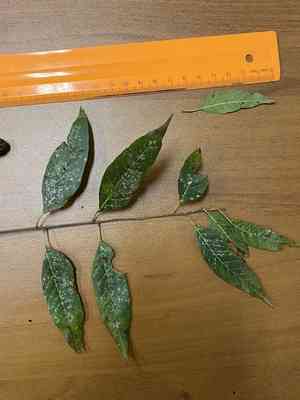
1
Spanish cedar is highly valued for its outstanding timber characteristics and resilience.
2
This plant provides considerable environmental advantages, such as fostering wildlife habitats.
3
Its fragrant qualities make it a favored material for carpentry and furniture making.
What Makes Spanish cedar Special?
Wood Durability and Quality
Spanish cedar is highly valued for its robust and visually appealing timber. Its rich, reddish-brown color and fine grain make it an excellent selection for premium furniture and intricate woodwork. The wood's inherent resistance to decay and insects also contributes to its longevity, making it an economical and eco-friendly choice for various uses.
Aromatic Qualities
The pleasant fragrance of Spanish cedar is another notable characteristic. This scent not only enhances the attractiveness of wooden items crafted from this plant but also serves as a natural insect deterrent. This renders Spanish cedar particularly valuable for indoor furnishings and cabinetry, where maintaining a pest-free environment is crucial.
The Ecological Impact of Spanish cedar
Contribution to Biodiversity
Spanish cedar plays a crucial role in supporting local ecosystems. Its dense canopy provides a habitat for diverse wildlife species, fostering biodiversity in areas where it grows. The presence of this plant contributes to a balanced ecosystem by offering sustenance and shelter to insects, birds, and small mammals.
Sustainable Forestry
Spanish cedar is frequently grown in sustainably managed forests, lessening the negative impact on the environment. Sustainable forestry practices ensure that harvesting this valuable resource does not lead to deforestation or the depletion of natural habitats. Instead, it promotes the responsible management of resources, benefiting both the environment and local communities.
Practical Uses of Spanish cedar
Woodworking and Carpentry
Spanish cedar is highly sought after in the woodworking and carpentry sectors. Its stability, workability, and aesthetic appeal make it a preferred option for crafting high-end furniture, musical instruments, and detailed carvings. The ease with which it can be shaped and finished allows artisans to create beautiful and functional pieces that endure over time.
Outdoor Applications
Given its natural resistance to weathering and pests, Spanish cedar is also ideal for outdoor uses. Decking, siding, and outdoor furniture made from this plant can withstand the elements while maintaining their structural integrity and appearance. This durability reduces the need for frequent replacements, making it a sustainable choice for outdoor projects.
How to Cultivate Spanish cedar?
Optimal Growing Conditions
Spanish cedar thrives in warm, humid climates and well-drained soils. Understanding its natural environment can aid in replicating these conditions for successful cultivation. Ensuring adequate sunlight, water, and soil fertility will promote healthy growth and maximize the benefits this plant has to offer.
Sustainable Practices
Cultivating Spanish cedar with sustainable methods ensures that we can continue to enjoy its benefits without harming the environment. Practices such as selective logging, replanting, and integrated pest management are essential for maintaining the health of Spanish cedar populations and the ecosystems they support.



