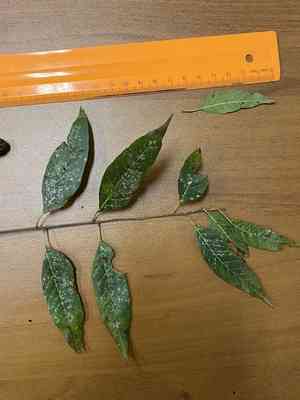
Spanish cedar (Cedrela odorata)
Also known as: Cigarbox cedar, British Guiana cedar, British Honduras cedar, Tabasco cedar, West Indian cedar
The Spanish cedar (Cedrela odorata) is a significant evergreen tree native to the tropical Americas, reaching heights of 37 to 46 meters. Renowned for its aromatic wood, which acts as a natural insect repellent, it is highly valued in the furniture industry, particularly for crafting wardrobes and chests.
In This Article
Attributes of Spanish cedar
Lifespan
Perennial
Plant Type
Tree
Plant Height
10 m to 30 m
Spread
30 m
Leaf Color
Green
Flower Size
3 mm to 5 mm
Flower Color
Yellow Green
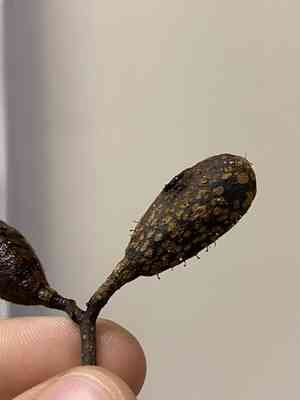
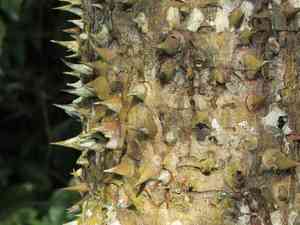
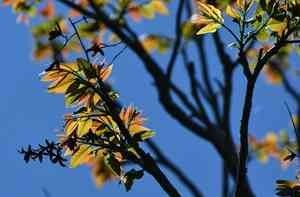
Images of Spanish cedar
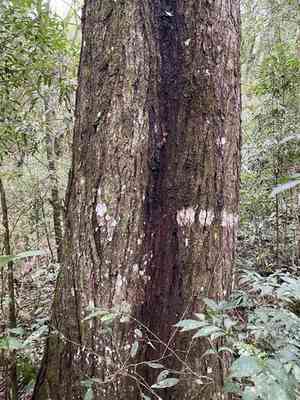
Quickly Identify Spanish cedar
1
Cedrela odorata can be identified by its large, pinnate leaves with numerous leaflets, and its characteristic fragrant wood. The bark is greyish and may have a rough texture. During flowering, it produces small, yellowish-white to cream-colored flowers arranged in panicles.
Scientific Classification of Spanish cedar
Phylum
Vascular plants
Class
Dicotyledons
Order
Sapindales
Family
Mahogany
Genus
Cedrela
Species
Spanish cedar
Planting and Growing of Spanish cedar
Care Difficulty
Easy
Watering Schedule
Every 3 days
Sunlight Requirements
Full sun
Sunshine Duration
6-12 hours
Ideal Temperature
68-86℉
Soil Type
Potting Mix, Peat Mix
Soil pH
6.5-7.5
Fertilizer Type
Balanced
Pruning Season
Spring, Summer
Pruning Area
Branches, Leaves
Pruning Frequency
2 times a year
Repotting Season
Spring
Pot Type
Plastic, Ceramic
 How to Water Spanish cedar?
Cedrela odorata prefers to be watered deeply but infrequently. Aim to provide approximately 500 milliliters of water per session. Ensure the water penetrates deeply into the soil, allowing the roots to absorb moisture efficiently. The soil should be evenly moist, but not soggy; let excess water drain away to avoid waterlogging.
What are the symptoms of an underwatered Spanish cedar?
›
What should I do if my Spanish cedar is not getting enough water?
›
What are the symptoms of an overwatered Spanish cedar?
›
How to save an overwatered Spanish cedar?
›
 What Are the Sunlight Requirements for Spanish cedar?
Cedrela odorata grows best under full or partial sun conditions. Receiving optimal light aids in efficient photosynthesis, crucial for vibrant foliage and strong branch development.
More About Sunlight Requirements Techniques→
Best Light Type
›
Solution for Ideal Light
›
Benefits of Ideal Light
›
 What Is the Ideal Temperature Range for Spanish cedar?
Cedrela odorata thrives in warm climates with the ideal temperature range being between 68 and 86°F. This range encourages optimal growth, ensuring the plant develops its foliage and overall structure robustly. Remaining within this temperature band is essential to minimize stress and prevent any growth inhibitions.
 What Soil is Best for Spanish cedar?
Cedrela odorata thrives best in well-drained soils that prevent waterlogging. Proper drainage allows for optimal root growth and prevents root rot, promoting healthier and stronger trees. This plant prefers soils with moderate nutrient levels. Fertile soils with balanced nutrients ensure strong growth and vibrant foliage, supporting the plant's natural vigor. While it can tolerate some dry spells, Cedrela odorata benefits from consistent soil moisture. This helps the plant in maintaining lush growth, especially during dry seasons or hot climates.
 How to Fertilize Spanish cedar?
For Cedrela odorata, the recommended amount of fertilizer depends on the plant's size and health. Generally, apply a balanced liquid fertilizer at a concentration of 1000 ppm (parts per million) per application. Ensure to adjust the amount based on the plant's response to avoid both under and over-fertilization.
 How to Prune Spanish cedar?
Begin by identifying branches that are dead, damaged, or diseased. These branches can be a source of infection or inhibit healthy growth. Use clean cuts to remove the affected branches, cutting back to a healthy section of wood or to the branch collar of the trunk. Carefully trim to shape the canopy, ensuring that branches have enough space for air circulation and light penetration. Making canopy cuts where lateral branches split helps maintain the natural form of the Cedrela odorata and keeps it looking tidy. Focus on pruning to promote new growth by making cuts just above a healthy bud or side branch. This encourages the development of a balanced tree structure and helps fill in gaps for a fuller appearance. Aim to foster even growth throughout the tree’s crown.
More About Pruning Techniques→
 How to Propagate Spanish cedar plant?
1
Start by soaking the seeds in water for 24 hours to soften the seed coat and improve germination rates. This process helps in breaking the seed's dormancy and aids in faster sprouting.
2
Choose healthy, disease-free branches. Cut segments of about 10-15 cm using sharp pruners, ideally cutting just below a node to encourage rooting.
3
Prepare a mix of peat and perlite in equal parts to create a well-draining medium. The mixture should be moist but not waterlogged to promote root development.
 How to Repot Spanish cedar plant?
1
Cedrela odorata should be repotted when you notice roots are peeking out from the drainage holes, indicating the plant is root-bound. Another signal is when the plant's growth slows significantly, reflecting it's running out of room to expand. Repotting during warmer seasons ensures the plant has ample growing energy to recover swiftly.
2
Select a pot that is 2-3 inches larger in diameter than the current one. This size promotes healthy growth without overwhelming the roots with too much new space. Ensure the new pot has sufficient drainage holes to prevent waterlogging, which can lead to root rot.
3
Opt for a well-draining loamy soil mix. The right soil should retain some moisture but also allow excess water to escape freely. A well-balanced mix guards against root rot and supports necessary aeration for root health.
Learn More About Spanish cedar Diseases
Anthracnose
Bacterial Leaf Spot
Bacterial Soft Rot
Bacterial Wilt
Black Spot
Chemical Injury
Crown Gall
Cyst Nematode
Damping-off
Downy Mildew
Drought Stress
Fusarium Wilt
Gray Mold
Leaf Curl
Leaf Spot
Mosaic
Nutrient Deficiency
Nutrient Toxicity
Powdery Mildew
Root Rot
Root-knot Nematode
Rusts
Sooty Mold
Spider Mites
Temperature Stress
Thrips Damage
White Mold



