How to Prune Spanish cedar?
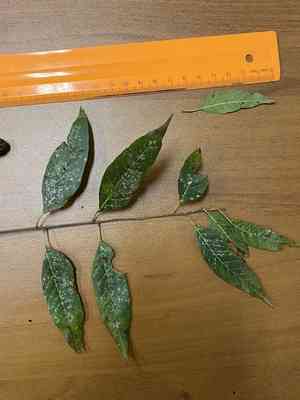
Spanish cedar, a tropical lumber tree prized for its fragrant wood and resilience against termites, thrives with judicious trimming to sculpt its crown and foster robust development. Essential methods include excising lifeless or ailing limbs, reducing the density of the canopy to facilitate light entry and air movement, and shortening branches that have grown excessively long. The most opportune period for pruning is from late winter to early spring, steering clear of the rainy period to mitigate the danger of illness. Thoughtful pruning bolsters the structural soundness and elevates the wind tolerance of this particular species.
What Are the Benefits of Pruning Spanish Cedar?
What Are the Benefits of Pruning Spanish Cedar?
Trimming spanish cedar promotes robust development and preserves its desired form. Strategic cuts eliminate old or overgrown limbs, enabling air circulation and light penetration, vital for the plant's health and structure. Proper trimming also decreases the likelihood of pest infestations and illnesses.
What Is the Best Time for Pruning Spanish Cedar?
What Is the Best Time for Pruning Spanish Cedar?
Late winter and early spring are considered optimal times for pruning spanish cedar due to several factors. Firstly, the plant is typically in a dormant state during late winter, meaning active growth has slowed or ceased. This allows for easier identification of branches to prune without leaf obstruction. Additionally, the risk of infectious disease transmission is lower during this period as many pathogens are inactive. Pruning before new spring growth ensures the plant can quickly heal from cuts and efficiently allocate resources to new growth, enhancing its overall vigor and shape. Furthermore, by pruning in early spring, gardeners avoid removing new shoots, which can happen if pruning is done later in the growing season. It is crucial, however, that pruning is completed before the plant breaks dormancy to ensure minimal disruption to the growth cycle, and to optimize healing and energy distribution for the upcoming growth period.
What Tools Do I Need to Prune Spanish Cedar?
Hand Pruners
For trimming small branches and shaping spanish cedar, hand pruners should be sharp and comfortable to use. They are most effective for branches up to 1 inch in diameter, which is suitable for maintaining the shape and health of smaller limbs.
Lopping Shears
Lopping shears are appropriate for somewhat thicker branches, typically 1.5 to 2 inches in diameter. Given that spanish cedar can have moderately thick growth, these provide the necessary leverage and reach.
Pruning Saw
For removing larger branches exceeding 2 inches in diameter, a pruning saw is essential. Spanish cedar may develop substantial limbs, and clean cuts with a saw will encourage proper wound closure.
Pole Pruner
Since spanish cedar can attain considerable heights, a pole pruner is recommended for safely reaching higher branches from the ground, thereby preserving the treeâs shape and managing its height.
Hedge Shears
If spanish cedar is cultivated as a hedge or shrub, hedge shears are effective for trimming and maintaining uniform surfaces. They are best for cutting smaller twigs and foliage to keep hedges neat.
Gloves and Safety Gear
Protective gloves and safety equipment such as goggles should always be worn while pruning to prevent injury from the wood or tool slips.
How to Prune Spanish Cedar
Clean Tools
Sanitize your pruning tools before making cuts to prevent the spread of diseases. Use a solution of one part bleach to nine parts water to disinfect the blades.
Inspect And Plan
Carefully examine spanish cedar's structure to identify dead or diseased branches. Plan your cuts to maintain the natural shape and avoid excessive pruning.
Cut Dead Branches
Using sharp, clean pruning shears, remove dead branches by cutting at an angle, just above a healthy bud or the branch collar without damaging it.
Remove Diseased Branches
Prune diseased branches by cutting well below the affected area into healthy tissue. Use sterilized cutting tools to prevent the spread of the disease.
Cleanup
Gather and dispose of the removed dead and diseased material immediately to prevent pests or disease from affecting spanish cedar or nearby plants.
Common Pruning Mistakes with Spanish Cedar
Over Pruning
Removing too much foliage from spanish cedar at once can stress the tree, leading to poor health and sparse growth. Aim to remove no more than 25-30% of the canopy in a pruning session.
Flush Cuts
Making flush cuts against the trunk or main branches can cause damage. Instead, cut just outside the branch collar, the swollen area where branch meets trunk, to promote proper healing.
Improper Tool Use
Using dull or inappropriate tools can result in jagged cuts that are more susceptible to pests and diseases. Always use sharp, clean pruning tools suited for the size of the branches being cut.
Neglecting Damaged Limbs
Failing to prune damaged or diseased limbs can lead to further decline in spanish cedar. Regularly monitoring and removing unhealthy wood is essential for the plant's overall well-being.
Overlooking Water Sprouts And Suckers
Water sprouts and suckers can drain energy from spanish cedar. These should be pruned away to redirect growth to the main structure of the tree.
Common Pruning Tips for Spanish Cedar
Selective Thinning
To maintain a strong structure and encourage light penetration and air flow, selectively remove entire branches back to their points of origin, focusing on crowded or crossed limbs.
Heading Cuts
Use heading cuts sparingly on spanish cedar to encourage bushier growth. Make the cut just above a bud facing the desired direction of the new branch.
Symmetrical Pruning
Strive for balanced pruning throughout spanish cedar to maintain an even distribution of foliage and prevent lopsided growth tendencies.
Clean Cuts
Make clean, angled cuts on spanish cedar's branches to allow water to run off and facilitate quicker healing. A slightly angled cut prevents water accumulation which can lead to rot.
Protective Gear
Since spanish cedar can be quite large and may require work at height, using protective clothing, eye protection, and investing in proper safety gear is essential to prevent accidents.



