Enhancing Your Garden Design with the Spanish cedar Plant: A Landscaping Guide
1
Spanish cedar provides a mix of shade, scent, and aesthetic charm, making it perfect for various landscaping purposes.
2
Strategic placement and complementary planting can greatly enhance the visual effect of Spanish cedar.
3
Regular upkeep and seasonal factors are vital for preserving the well-being and attractiveness of Spanish cedar.
Introducing Spanish cedar to Your Outdoor Space
Advantages of incorporating Spanish cedar into your garden plan
Adding Spanish cedar to your garden plan offers numerous advantages. This tree provides ample shade, boosting outdoor comfort and making it an excellent choice for patios and seating areas. Its aromatic wood also emits a pleasant scent, enriching your garden's sensory appeal. Furthermore, Spanish cedar can serve as a natural wind barrier, safeguarding more delicate plants from harsh weather. Lastly, its attractive foliage and seasonal blooms add visual appeal, creating a focal point in your landscape.
General overview of Spanish cedar's visual characteristics
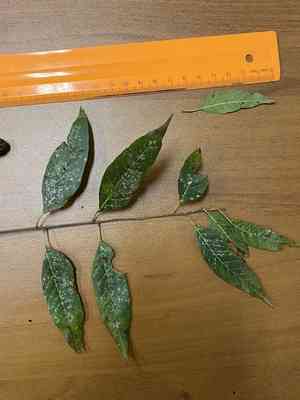
Spanish cedar is well-known for its elegant visual traits. The tree features an appealing, straight trunk with distinct reddish-brown bark. Its lush green leaves form a dense canopy, offering both shade and a visual sanctuary. During blooming periods, Spanish cedar produces clusters of small, fragrant flowers that add color and perfume to the garden. The overall structure of Spanish cedar is both robust and graceful, making it a versatile option for various landscape styles, from formal gardens to casual backyard setups.
Designing Your Landscape with Spanish cedar
Determining the optimal spot for Spanish cedar in your yard
When designing your landscape, it's crucial to determine the best spot for Spanish cedar. This tree thrives in well-drained soil and prefers sunny or partially shaded locations. Consider planting Spanish cedar where it can provide shade for outdoor seating or where its aesthetic charm can be fully appreciated. Avoid areas with poor drainage or excessive shade, as these conditions can impede the tree's growth. Additionally, note the tree's mature height and spread to ensure it has ample space to flourish without crowding other plants.
Design considerations: Pairing Spanish cedar with other plants
Pairing Spanish cedar with other plants requires careful design considerations. Select companion plants that thrive in similar soil and light conditions. For instance, understory shrubs and ground covers can complement the larger size of Spanish cedar while adding texture and color at different levels. Combining Spanish cedar with flowering perennials can boost seasonal interest, while evergreens provide year-round greenery. Pay attention to color schemes and plant sizes to create a harmonious and visually pleasing garden layout.
Best Layout Practices for Spanish cedar
Space management: How much area does Spanish cedar require?
Proper space management is vital for Spanish cedar to thrive. Ensure you plant Spanish cedar in a location that accommodates its mature size, which can be quite substantial. A mature Spanish cedar can reach heights of up to 60 feet, with a spread of about 40 feet, so it's important to avoid planting too close to structures or other trees. Provide sufficient room for its root system to expand, and prevent overcrowding the area with too many other plants. Adequate spacing not only supports healthy growth but also ensures Spanish cedar can be a prominent feature in your landscape.
Visual impact: Maximizing Spanish cedar's aesthetic appeal
To maximize Spanish cedar's aesthetic appeal, consider its placement relative to key visual points in your garden. Position Spanish cedar to frame views, create visual pathways, or serve as a focal point. The tree's striking bark and foliage make it a standout feature, so place it where it can be easily admired, such as near entrances or along walkways. Incorporating Spanish cedar into layered planting designs can also enhance its visual impact, using smaller plants to create a sense of depth and richness around the tree's base.
Care Requirements for Spanish cedar in Your Landscape
Essential maintenance tips for Spanish cedar to flourish
Essential maintenance is crucial for Spanish cedar to flourish in your landscape. Regular watering is necessary, especially during its establishment phase and dry periods. Mulching around the base helps retain moisture and regulate soil temperature. Pruning is important for maintaining the tree's shape and removing any dead or diseased branches. Fertilize occasionally with a balanced fertilizer to ensure optimal growth. Monitoring for pests and diseases can prevent serious issues, and prompt treatment will keep Spanish cedar healthy and vibrant.
Seasonal considerations for maintaining Spanish cedar's vitality
Seasonal considerations play a key role in maintaining Spanish cedar's vitality. In spring, inspect for any winter damage and prune as needed. Summer demands diligent watering and mulch replenishment to handle heat and potential drought. Fall is an excellent time to fertilize and perform any significant pruning as the tree enters dormancy. In winter, ensure Spanish cedar is protected from extreme cold and winds by using windbreaks or wraps if necessary. Each season presents unique challenges and opportunities to keep Spanish cedar in peak condition year-round.
Creative Applications of Spanish cedar in Landscape Design
Innovative ways to integrate Spanish cedar into contemporary designs
Integrating Spanish cedar into contemporary landscape designs can be both innovative and visually striking. Use Spanish cedar as a focal point in minimalist gardens, where its form and texture can stand out. Incorporate Spanish cedar into mixed border plantings to create contrast and interest. For eco-friendly designs, Spanish cedar can be part of rain gardens or native plantings to boost biodiversity. Vertical gardening enthusiasts can leverage Spanish cedar's height to create multi-level plant arrangements, offering both beauty and utility.
Case studies: Successful landscape projects featuring Spanish cedar
Several successful landscape projects highlight Spanish cedar's adaptability. In urban environments, Spanish cedar has been used to create green spaces that provide shade and improve air quality. For residential properties, strategically placed Spanish cedar trees have enhanced curb appeal and provided natural privacy screens. Parks and public gardens have utilized Spanish cedar to create serene, shaded walkways and picnic areas. These case studies demonstrate how Spanish cedar can be effectively integrated into various settings, offering practical and aesthetic advantages.



