How Much Sunlight Do Spanish cedar Need?
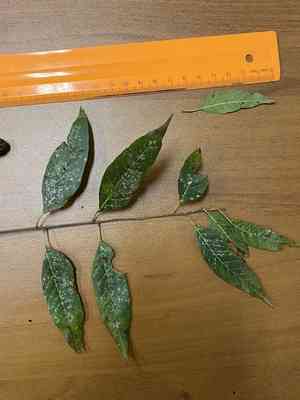
1
Spanish cedar flourishes optimally with ample sunlight, needing more than six hours of direct sun each day.
2
While this tree can endure some shade, its growth might not be as vigorous compared to full sun conditions.
3
Adequate light exposure is crucial across all developmental phases, from young plants to established trees.
Optimal Light Conditions for Spanish Cedar
Full Sun vs. Partial Shade
Regarding light, Spanish cedar prefers full sun. Ideally, these trees should get over 6 hours of direct sunlight daily. While they can endure partial shade, this can impact their growth rate and general health. In full sun, Spanish cedar trees develop stronger wood and a more extensive root system, vital for stability and resilience. In areas where full sun isn't possible, the tree might survive, but its growth could be less vigorous, leading to sparser foliage and a weaker structure.
Daily Light Requirements
Spanish cedar needs ample light to produce the energy for robust growth. Daily, aim for at least 6 to 8 hours of direct sun. This ensures the tree can photosynthesize efficiently, creating the nutrients needed for healthy leaves, bark, and wood. During these extended sunny periods, especially in the growing season, your Spanish cedar will thrive and develop optimally. Ensure the tree's surroundings aren't overly shaded by other plants or structures that could limit its light access.
Ensuring Proper Light Exposure for Spanish Cedar
Choosing the Correct Planting Site
Selecting the ideal spot is vital for your Spanish cedar's health. Find a location in your garden or landscape that receives full sunlight throughout the day. Avoid areas heavily shaded by larger trees or buildings. A southern exposure is typically best, maximizing sun intake. When planting, also consider the long-term space the tree will need; ensure no overhead obstructions could block sunlight as the tree grows taller.
Techniques for Maximizing Light
To maximize light exposure, you might need to use a few methods. Prune any nearby plants that might overshadow your Spanish cedar. This not only aids direct sun exposure but also improves air circulation around the tree, reducing fungal disease risk. Another strategy involves placing reflective surfaces, like light-colored mulch or stones, around the tree's base to reflect extra light onto the lower branches. Consistent monitoring and seasonal adjustments can help your tree get the optimal light it needs.
Indications of Light Problems in Spanish Cedar
Detecting Light Deficiency
Light deficiency in Spanish cedar can show in several ways. Common symptoms include yellowing leaves, stunted development, and a thinning canopy. Leaves may also become smaller and more spread out along the branches. If you notice such signs, it's crucial to assess the tree's light conditions and take steps to increase its sun exposure. This might involve moving potted seedlings or trimming back competing foliage nearby.
Symptoms of Excessive Light
While Spanish cedar loves light, too much intense light, especially in very hot climates, can also be an issue. Symptoms of excessive light exposure include leaf scorching, where leaf edges turn brown and crisp. You might also observe increased susceptibility to pests and diseases as the tree becomes stressed from too much heat. Providing afternoon shade or ensuring adequate watering can lessen these effects, keeping the tree healthy.
Adjusting Light Exposure for Different Growth Phases
Seedlings and Young Plants
Seedlings and young Spanish cedar plants are more sensitive to their environment and need slightly adjusted care. While they still require ample light, it's important to introduce them gradually. Too much direct sun when young can cause scorching. Begin by providing partial shade and slowly increase their exposure to full sun over several weeks. This careful acclimation helps young plants build stronger resistance and adapt efficiently to their growing conditions.
Mature Trees
Mature Spanish cedar trees are more robust and can handle extended sun exposure. However, ensuring consistent light remains equally vital. For fully grown trees, monitoring their overall health and making seasonally appropriate adjustments can make a significant difference. During hot summer months, mulching around the base helps retain moisture and protect the roots. Periodic pruning to remove overcrowded branches allows light to penetrate deeper into the canopy, promoting overall health and growth.



