How to Transplant Bulbous bittercress?
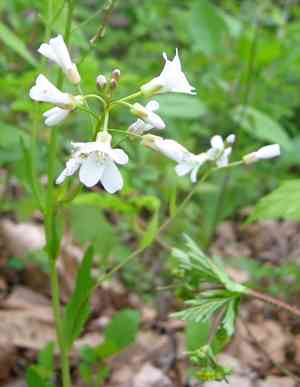
The optimal period for transplanting Cardamine bulbosa to a new location extends from the cessation of frost, through the entirety of spring, and into the early stages of winter. This enduring plant flourishes in partially shaded conditions within moisture-rich substrates. Should relocation be necessary, proceed with care, preserving a substantial root mass.
What Preparations are Needed Before Transplanting Bulbous Bittercress?
What is the Ideal Time for Transplanting Bulbous Bittercress?
The perfect time for relocating bulbous bittercress extends from the refreshing start of early spring until the beginning of early summer, or alternatively, from the rich tones of mid-autumn until the crisp arrival of early winter. Moving your bulbous bittercress during these periods takes advantage of mild temperatures and sufficient moisture, which are vital for root establishment without the strain of extreme heat or cold. Enthusiastically undertaking this gardening task within the suggested windows guarantees a strong beginning for bulbous bittercress, ensuring vigorous growth in the upcoming seasons!
How Much Space Should You Leave Between Bulbous Bittercress Plants?
When moving bulbous bittercress, imagine each one needing its own personal space. You'll want to position them roughly 6-12 inches (15-30 cm) apart. This provides ample room for each plant to thrive and expand its foliage.
What is the Best Soil Mix for Bulbous Bittercress Transplanting?
Prepare for bulbous bittercress by selecting a location with rich, well-draining soil. Before transplanting, gently incorporate some compost or a balanced fertilizer to give your plants a nourishing start. Consider it a hearty meal for your plants!
Where Should You Relocate Your Bulbous Bittercress?
Bulbous bittercress prefers a sheltered spot with some shade. Find an area where they will receive filtered sunlight, especially protected from the intense midday sun. This ensures they will grow happily without excessive sun exposure.
What Equipments Should You Prepare Before Transplantation Bulbous Bittercress?
Gardening Gloves
To safeguard your hands while handling soil and plants.
Spade or Shovel
For excavating around and beneath the bulbous bittercress to extract it from its original spot.
Watering Can or Hose
To hydrate the bulbous bittercress both before and after its relocation.
Pruning Shears
To trim any damaged roots or leaves.
Wheelbarrow or Garden Cart
To move the bulbous bittercress from one place to another if required.
Mulch
To aid in retaining soil moisture around the newly transplanted bulbous bittercress.
Measuring Tape
To assist in accurately spacing out the new planting locations.
How Do You Remove Bulbous Bittercress from the Soil?
How Do You Remove Bulbous Bittercress from the Soil?
From Ground: Water the bulbous bittercress thoroughly to make the soil easier to manage. Use a spade or shovel to carefully dig around the plant, ensuring you are far enough away to avoid harming the root system. Gently work the tool underneath to loosen the root ball, then lift the bulbous bittercress out of the ground.From Pot: Water the bulbous bittercress in its pot to moisten the soil, making it simpler to remove. Tilt the pot sideways and tap the edges or bottom to help dislodge the root ball. Gently pull the plant by its base, supporting the root ball as it separates from the pot.From Seedling Tray: Water the seedlings to moisten the soil. Use a spoon or small implement to lift individual bulbous bittercress plants from their cells, taking care not to damage the delicate roots and stem.
Step-by-Step Guide for Transplanting Bulbous Bittercress
Digging the Hole
Excavate a hole in the ground that is twice the width of the bulbous bittercress's root ball and of equal depth to allow roots to spread easily.
Preparing the bulbous bittercress
Before placing the bulbous bittercress into the hole, gently untangle any circling roots to encourage outward growth. If any roots are damaged, trim them with pruning shears.
Placing the bulbous bittercress
Position the bulbous bittercress into the hole, ensuring it sits at the same depth it was previously growing. The top of the root ball should be level with the surrounding soil surface.
Backfilling
Carefully refill the area around the bulbous bittercress with soil, gently patting it down to eliminate any large air pockets. Water generously to help settle the soil.
Adding Mulch
Apply a layer of mulch around the bulbous bittercress to conserve moisture and reduce weed growth, being careful not to let it directly touch the plant's stems.
How Do You Care For Bulbous Bittercress After Transplanting?
Initial Watering
Thoroughly water the bulbous bittercress after transplanting to settle the soil and provide essential hydration.
Monitoring
Observe the bulbous bittercress for any indications of stress, such as wilting or discolored leaves, and address these issues promptly.
Mulching
Maintain the mulch layer to continue preserving moisture and regulating soil temperature.
Support
If necessary, provide support like stakes or ties if the bulbous bittercress exhibits a tall growth habit to help it withstand wind and rain.
Troubleshooting Common Issues with Bulbous Bittercress Transplantation.
When is the best time to transplant bulbous bittercress?
The optimal periods are early spring to late spring or mid-autumn to early winter, offering a gentle start for bulbous bittercress.
How far apart should I space bulbous bittercress when transplanting?
For ideal growth, place bulbous bittercress 6-12 inches (15-30 cm) apart to ensure sufficient room for expansion.
What should I do if bulbous bittercress's leaves wilt after transplanting?
Gently water the foliage and soil around bulbous bittercress. Verify proper soil moisture and avoid overwatering, which could further stress the plant.
How deep should I plant bulbous bittercress's bulbs?
Dig a hole that is twice the bulb's depth. For bulbous bittercress, this means approximately 1-2 inches (2.5-5 cm) deep.
What soil preparation is needed before transplanting bulbous bittercress?
Cultivate the soil to be loose and fertile, incorporating organic compost to nourish bulbous bittercress and encourage healthy growth.
Can bulbous bittercress be transplanted on a sunny day?
It's preferable to transplant on an overcast day or in the evening to prevent immediate sun exposure that can stress bulbous bittercress.
How much water should be given to bulbous bittercress after transplanting?
Water bulbous bittercress thoroughly after transplanting, ensuring the soil is moist but not waterlogged to help roots establish.
Why are my bulbous bittercress plants not thriving after transplanting?
Ensure bulbous bittercress receives adequate sunlight, water, and suitable soil conditions. Check root health and proper spacing.
Is mulching necessary after transplanting bulbous bittercress?
Mulching aids in moisture retention, regulates soil temperature, and suppresses weeds. Apply a 2-inch (5 cm) layer around bulbous bittercress.
How do I protect newly transplanted bulbous bittercress from frost?
Cover bulbous bittercress with frost cloths or straw when a temperature drop is anticipated to shield them from the cold.



