The Bulbous bittercress Plant Advantage: Maximizing Home and Office Appeal and Wellness
1
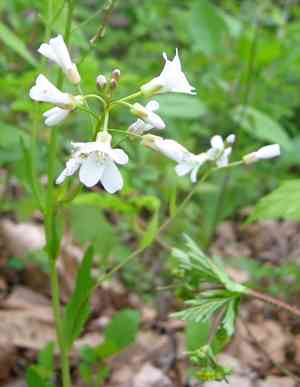
Cardamine bulbosa is a perennial wild herb frequently encountered in North American marshlands.
2
This flora draws in helpful insects, promoting a thriving natural environment.
3
It assists in ground stabilization thanks to its strong root network.
What Makes Bulbous bittercress Special?
Unique Characteristics
Bulbous bittercress is known for its distinct delicate white or pinkish blossoms and broad, lobed leaves, which can bring a touch of untamed beauty to any garden. This perennial thrives in damp areas, preferring moist, shaded environments to flourish. Not only does it require minimal upkeep once established, but Bulbous bittercress is also highly resistant to various climate conditions, making it an excellent choice for diverse landscapes.
Wildlife Attraction
A key advantage of Bulbous bittercress is its capacity to draw in a range of beneficial insects. Pollinators like bees and butterflies are attracted to its flowers, which can significantly boost your garden's biodiversity. By planting Bulbous bittercress, you create an inviting habitat that supports local pollinator populations, crucial for the pollination of many other plants. Furthermore, these insects help control pest populations naturally, reducing the need for chemical pesticides.
How Does Bulbous bittercress Improve Soil Health?
Natural Soil Stabilization
The robust root system of Bulbous bittercress is exceptionally effective at stabilizing soil. This plant helps reduce soil erosion, particularly in areas prone to water runoff. It maintains soil structure and prevents the loss of topsoil, which is vital for sustaining healthy plant growth in your garden. By enhancing soil stability, Bulbous bittercress contributes to the overall health and longevity of your green space.
Enhancing Soil Fertility
Beyond stabilizing soil, Bulbous bittercress can also boost soil fertility. As the plant matter decomposes, it returns organic material to the soil, enriching it with essential nutrients. This process replenishes the soil with natural fertilizers, making it more fertile and suitable for other plants. Moreover, improved soil health can lead to a decrease in the need for artificial fertilizers, promoting an eco-friendlier gardening approach.
What Role Does Bulbous bittercress Play in Water Management?
Water Filtration
Bulbous bittercress possesses the remarkable ability to aid in water filtration. Its roots help filter out impurities and sediments from water, making it cleaner and safer for other plants. By planting Bulbous bittercress near water bodies or wet garden areas, you can contribute to maintaining cleaner water sources. This natural filtration often leads to healthier aquatic systems and better overall plant hydration.
Moisture Retention
The moisture-retaining nature of Bulbous bittercress ensures that your garden stays hydrated longer. It traps moisture within the soil, reducing the frequency of watering needed for your plants. This feature is particularly beneficial during dry spells, providing a more consistent water supply to your plants and helping them to thrive with less maintenance.
Can Bulbous bittercress Enhance Garden Aesthetics?
Visual Appeal
The blooming white or pink flowers of Bulbous bittercress offer a charming visual appeal to any garden. Its striking foliage complements a variety of garden designs, adding a touch of natural elegance. Whether used in pots, borders, or meadow-like settings, Bulbous bittercress can enhance the overall aesthetic of your outdoor space, making it more inviting and visually pleasing.
Seasonal Interest
Another key characteristic of Bulbous bittercress is its capacity to provide seasonal interest. It flowers in the spring and early summer, delivering a burst of color and scent when many other plants are still emerging from winter dormancy. This early blooming can set the stage for a vibrant garden season, offering an early food source for pollinators and a visual delight for garden visitors.
How to Grow and Care for Bulbous bittercress?
Planting Tips
To successfully cultivate Bulbous bittercress, choose a location that mimics its natural habitatâmoist and partially shaded areas are ideal. Plant the seeds or transplants in early spring or fall for optimal results. Ensure the soil remains consistently moist, especially during the establishment period. While Bulbous bittercress is relatively low-maintenance, occasional watering and mulching can help promote its health and growth.
Maintenance Practices
Once established, Bulbous bittercress requires minimal care. Regularly monitor soil moisture levels, and water as needed to prevent the soil from drying out. Pruning spent flowers can help maintain the plant's appearance and encourage more blooms. Additionally, dividing the plants every few years can prevent overcrowding and sustain their vigor. With proper care, Bulbous bittercress can become a resilient and enduring feature of your garden.



