How Much Sunlight Do Bulbous bittercress Need?
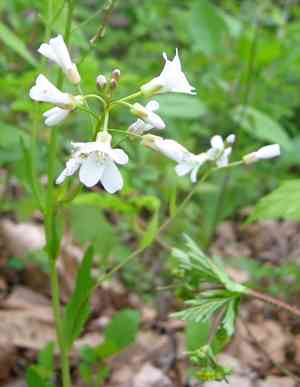
1
Bulbous bittercress flourishes with more than 6 hours of direct sun exposure.
2
During intense sun, providing afternoon shade can shield your plant from excessive heat.
3
Indoor grow lights can supplement natural light for Bulbous bittercress.
Understanding Light Requirements for Bulbous bittercress
Why Light is Crucial for Bulbous bittercress Development
Light is vital for Bulbous bittercress as it powers photosynthesis, enabling the plant to convert light energy into sustenance. Sufficient light ensures the plant has ample energy for growth, blooming, and reproduction. Moreover, light influences the plant's internal rhythm, regulating its developmental stages and flowering period.
Light Types Bulbous bittercress Requires
Bulbous bittercress is a heliophilic plant that thrives in full sun. This means it needs a minimum of 6-8 hours of bright, direct sunlight daily. However, it can endure partial sun, which translates to about 3-6 hours of daily sunlight. The perfect light scenario for this plant balances bright morning sun with some afternoon shade to prevent overheating.
Optimal Light Conditions for Bulbous bittercress
Ideal Daily Light Exposure Hours
For peak development, aim to provide your Bulbous bittercress with at least 6-8 hours of direct light daily. This is especially important if cultivating the plant outdoors or in a well-lit garden area. In regions with inconsistent light, consider supplementing natural light with grow lamps.
Partial Shade vs Full Sun: Which is Better?
While Bulbous bittercress flourishes in full sun, extreme conditions might necessitate some partial shade. Full sun conditions (6-8 hours of light) are perfect, but if temperatures rise and the sun is excessively strong, providing a bit of afternoon shade can help shield the plant from heat stress and sunburn.
Managing Light Exposure for Bulbous bittercress
Seasonal Light Fluctuations
As seasons shift, so do light intensity and duration. In summer, your Bulbous bittercress will naturally receive more intense light, requiring occasional partial shade during peak hours. In winter, when days are shorter, consider moving your plant to the brightest spot available or supplementing with grow lights to maintain at least 6 hours of light.
Adjusting Indoor Lighting for Bulbous bittercress
If cultivating Bulbous bittercress indoors, placement is critical. Position your plant near a south or west-facing window where it can absorb ample light. During shorter days or in rooms with limited natural light, utilize full-spectrum grow lights to supplement their light intake, ensuring they receive the necessary 6-8 hours of light.
Common Light Issues with Bulbous bittercress
Indicators of Excessive Light Exposure
Too much light exposure can lead to leaf burn and wilting in Bulbous bittercress. You might observe the leaf edges turning brown or becoming brittle. If this occurs, relocate the plant to a spot with partial shade during the hottest part of the day or use a shade cloth to diffuse the light.
Addressing Insufficient Light
Conversely, inadequate light can cause Bulbous bittercress to become leggy with sparse foliage, as it stretches towards the light source. If you notice weak growth and pale leaves, it's time to move the plant to a brighter location or consider using grow lights to enhance its light exposure.
Tips for Optimizing Light for Bulbous bittercress
Effective Use of Artificial Illumination
Artificial lights can be very effective in supplementing natural light for Bulbous bittercress. Employ full-spectrum LED grow lights to mimic natural sunlight. Ensure the lights are positioned close enough to provide adequate illumination but not so near that they overheat the plant. A timer can help ensure the plant receives consistent light daily.
Positioning Your Plant for Best Light
Proper placement is key to maximizing light exposure. If outdoors, select a location where the plant gets morning to midday sun. For indoor plants, place near south or west-facing windows where light is most abundant. Regularly rotate the plant to ensure all sides receive even light exposure, preventing uneven growth.



