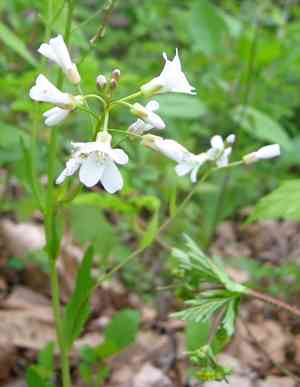
Bulbous bittercress (Cardamine bulbosa)
Also known as: Bulbous cress, Spring bittercress
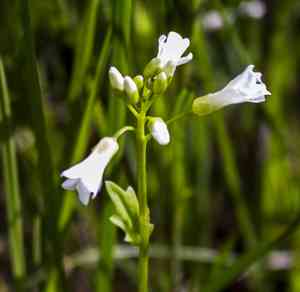
Known as bulbous bittercress, *Cardamine bulbosa* is prevalent throughout eastern North America. It thrives in the moist soils of forests and swamps. Its edible leaves impart a sharp, peppery taste to salads. This plant blooms with white flowers from late spring to early summer.
In This Article
Attributes of Bulbous bittercress
Lifespan
Perennial
Plant Type
Herb
Plant Height
20 cm to 61 cm
Spread
20 cm to 30 cm
Leaf Color
Green
Flower Size
2.5 cm
Flower Color
White
Images of Bulbous bittercress
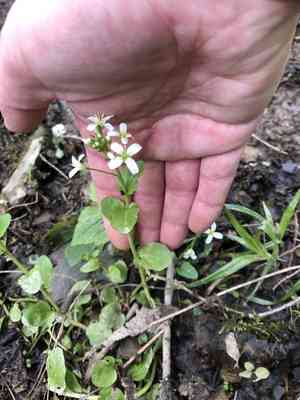
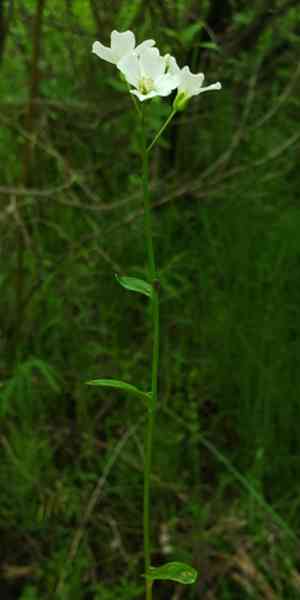
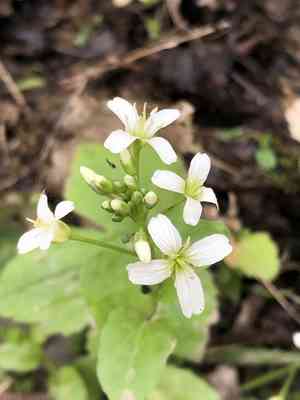
Quickly Identify Bulbous bittercress
1
This plant can be identified by its simple, heart-shaped leaves and clusters of small white flowers that bloom in early spring. The flowers have four petals and are often found on a single stalk.
Scientific Classification of Bulbous bittercress
Phylum
Vascular plants
Class
Dicotyledons
Order
Brassicales
Family
Cruciferae
Genus
Bittercresses
Species
Bulbous bittercress
Planting and Growing of Bulbous bittercress
Care Difficulty
Easy
Watering Schedule
Every 8 days
Sunlight Requirements
Partial sun
Sunshine Duration
6-10 hours
Ideal Temperature
60-75℉
Soil Type
Potting Mix, Peat Mix
Soil pH
6.5-7.5
Fertilizer Type
Balanced
Pruning Season
Spring, Summer
Pruning Area
Branches, Leaves
Pruning Frequency
2 times a year
Repotting Season
Spring
Pot Type
Plastic, Terracotta
 How to Water Bulbous bittercress?
Cardamine bulbosa, commonly known as Spring Cress, thrives in moist environments. Hence, when watering, ensure the soil is consistently damp, but not waterlogged. About 250 ml per watering session is ideal, imitating its natural marshy habitat, encouraging healthy growth.
What are the symptoms of an underwatered Bulbous bittercress?
›
What should I do if my Bulbous bittercress is not getting enough water?
›
What are the symptoms of an overwatered Bulbous bittercress?
›
How to save an overwatered Bulbous bittercress?
›
 What Are the Sunlight Requirements for Bulbous bittercress?
Semi-shade or dappled sunlight is ideal for Cardamine bulbosa. This provides enough light for photosynthesis while shielding it from harmful UV rays, enhancing its growth and bloom potential.
More About Sunlight Requirements Techniques→
What type of light does Cardamine bulbosa prefer?
›
How to ensure Cardamine bulbosa gets ideal lighting?
›
What benefits does ideal lighting have on Cardamine bulbosa?
›
 What Is the Ideal Temperature Range for Bulbous bittercress?
Cardamine bulbosa thrives best in temperatures ranging from 60°F to 75°F. This range ensures the plants can perform photosynthesis efficiently while maintaining a healthy growth rate. These temperatures typically occur in a controlled greenhouse environment or during mild spring months in temperate regions.
 What Soil is Best for Bulbous bittercress?
Cardamine bulbosa thrives in soil that can retain adequate moisture without becoming waterlogged, ensuring the roots receive consistent hydration. This is crucial for sustaining its lush foliage, especially during warmer months. Although moist soil is beneficial, it's vital that the soil also has well-draining properties to prevent root rot. This balance in drainage ensures the plant doesn't suffer from prolonged exposure to excessive water. A nutrient-rich soil enriched with organic matter supports healthy growth and vibrant flowering. This nutritional profile enables the plant to capitalize on energy reserves, particularly during its blooming period.
 How to Fertilize Bulbous bittercress?
For Cardamine bulbosa, it's essential to apply a balanced fertilizer at a diluted concentration. Typically, a 1/4 strength of a regular houseplant fertilizer is ideal for liquid feeds. This ensures the plant gets adequate nutrients without causing root burn or nutrient overload.
 How to Prune Bulbous bittercress?
Look for discolored or dried stems indicating dead tissue. Trim these stems close to the base of the plant to encourage new, healthy growth. Regularly removing these dead stems helps the plant focus its energy on thriving parts. Prune in a way that maintains the plant’s natural shape. Trim back overgrown areas to promote air circulation and light penetration, both of which are vital for healthy plant development. Prune above a node to stimulate bushier growth. Prune Cardamine bulbosa every two months. Consistent pruning during Spring, Summer, and Autumn will ensure a compact form and help prevent unwanted spreading. Avoid pruning in Winter when the plant is dormant to reduce shock.
More About Pruning Techniques→
 How to Propagate Bulbous bittercress plant?
1
Start by preparing a good quality, well-draining soil mix. Fill your propagation trays or pots with this mix and make sure it is evenly moist but not soggy. This will provide an ideal environment for seed germination or rooting of divisions.
2
Spread the seeds evenly over the soil surface if propagating by seed. Cover them lightly with additional soil or vermiculite to keep them in place and ensure they receive enough light. Gently mist the surface to maintain moisture levels.
3
For division propagation, carefully separate a healthy plant into smaller sections, ensuring each section has roots attached. Plant these divisions into prepared pots and water them lightly to help establish their new root systems.
 How to Repot Bulbous bittercress plant?
1
Look for signs like roots growing out of the drainage holes or the plant becoming top-heavy, indicating it's time for repotting. Spring is the best season when the plant resumes growth, allowing it to recover swiftly.
2
Select a pot slightly larger than the current one with good drainage holes. Ensure it's proportional to the plant size to prevent waterlogging and allow comfortable root expansion.
3
Opt for a rich, well-draining soil mix to ensure adequate moisture retention and aeration. This combination helps prevent root rot and supports robust growth.
Learn More About Bulbous bittercress Diseases
Anthracnose
Bacterial Leaf Spot
Bacterial Soft Rot
Clubroot
Cyst Nematode
Damping-off
Downy Mildew
Drought Stress
Fusarium Wilt
Gray Mold
Leaf Spot
Mosaic
Nutrient Deficiency
Nutrient Toxicity
Powdery Mildew
Root Rot
Root-knot Nematode
Rusts
Sooty Mold
Spider Mites
Temperature Stress
Thrips Damage
White Mold



