How to Propagate Bulbous bittercress?
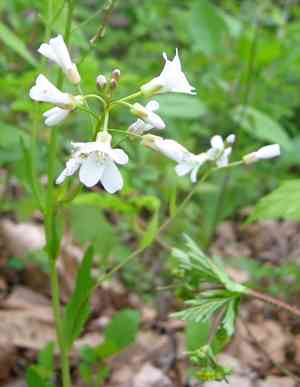
For multiplying bulbous bittercress, the primary technique involves splitting. Gently divide the plant's clusters, making sure every new segment possesses both roots and nascent stems. Replant these separated portions without delay to encourage rapid settling, preferably in damp, adequately draining earth exposed to partial or full solar illumination. Sustain regular hydration following transplantation to aid root development. This strategy fosters robust new specimens that are genetically identical to the original, thereby safeguarding its traits.
Optimal Time for Bulbous Bittercress Propagation
Propagation Method
Seeding
Propagation Period
Spring
Tools for Bulbous Bittercress Propagation
Seed trays
Seed trays are vital for propagating bulbous bittercress via sowing. These trays facilitate uniform distribution and organized development of seeds, simplifying the management of sprouting seeds. Their shallow depth and compartments allow for easy monitoring and maintenance of bulbous bittercress seedlings, which is essential during their delicate initial growth phases.
Peat pots
Peat pots are especially advantageous for bulbous bittercress due to their biodegradable nature, which minimizes root disturbance during transplanting. Bulbous bittercress can be sensitive when moved; using peat pots allows the entire container to be planted, helping maintain root integrity and promoting healthier, shock-free development.
Misting bottle
A misting bottle is crucial for maintaining the necessary moisture levels for bulbous bittercress seed germination without causing waterlogging or dislodging the seeds. Misting provides a gentle, even water distribution, vital for bulbous bittercress germination without disturbing seed placement.
Fine vermiculite
Applying fine vermiculite as a top layer in bulbous bittercress seed propagation aids in moisture retention and insulation. This material encourages quicker germination and creates an ideal microenvironment by maintaining stable temperature and humidity around the seeds, which is critical for successful bulbous bittercress germination.
Label and marker
Labels and markers are essential for accurately identifying different batches of bulbous bittercress, especially when varying conditions or dates might influence growth outcomes. Proper labeling ensures precise monitoring and care tailored to each bulbous bittercress propagation batch.
How to Propagate Bulbous Bittercress?
Propagation Type
Simple
Caring for Newly Propagated Bulbous Bittercress
Caring for Newly Propagated Bulbous Bittercress
After propagation, gradually introduce the young plants to their permanent growing environment. They thrive in partial shade and require consistently moist soil. Be careful not to overwater, and maintain humidity levels to help the young plants establish. As they grow, periodically check for pests or diseases, and address any issues promptly to ensure healthy development.
Common Errors to Avoid When Propagating Bulbous Bittercress
Overwatering
Moisture is vital for bulbous bittercress, but excessive water can lead to root rot. This impairs the plant's ability to absorb nutrients and can severely hinder its growth or even cause death.
Deep planting
Planting bulbous bittercress too deeply can impede its initial growth stages. This error may result in poor aeration around the root zone and increase the likelihood of fungal infections.
Ignoring soil quality
Using poor soil for propagating bulbous bittercress restricts its growth as this plant thrives in fertile, well-drained conditions. Inferior soil can lead to nutrient deficiencies and stunted development.
Tips For Propagating Bulbous Bittercress
Use fresh seed
Bulbous bittercress seeds have a higher germination rate when fresh. Using older seeds might result in lower viability, reducing propagation success.
Surface sowing
Bulbous bittercress seeds need light to germinate effectively. Therefore, seeds should be sown on the soil surface or with a very thin layer of soil to ensure adequate light exposure.
Regular monitoring
Periodically check the moisture levels and overall condition of the propagating bulbous bittercress. This helps in making timely adjustments to watering schedules and detecting any signs of disease or pest infestation early.



