How to Prune Bulbous bittercress?
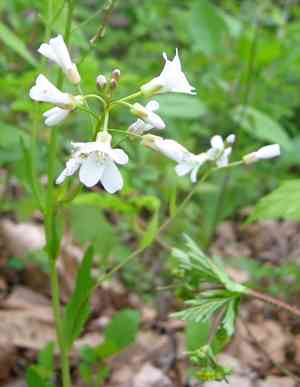
This fleeting spring perennial, featuring bunches of tiny, white blossoms and sleek basal foliage, flourishes in damp forested areas. Essential trimming methods for bulbous bittercress involve removing faded blooms to foster ongoing flowering and cutting back leaves once blooming concludes to sustain the plant's robustness. The most effective pruning takes place in late spring or early summer, following the bloom period, to prevent disrupting its developmental pattern. Pruning can boost seed yield and manage dispersion, which is crucial for the lifecycle administration of bulbous bittercress in cultivated environments.
What Are the Benefits of Pruning Bulbous Bittercress?
What Are the Benefits of Pruning Bulbous Bittercress?
Trimming bulbous bittercress promotes robust development by stimulating fresh, healthy growth. It also assists in maintaining its desired shape and density, preventing excessive growth and ensuring the plant remains visually appealing in a garden setting.
What Is the Best Time for Pruning Bulbous Bittercress?
What Is the Best Time for Pruning Bulbous Bittercress?
In late Spring, bulbous bittercress enters a period of active growth, making it an ideal time for trimming to encourage healthy development and maintain its desired form. Pruning in early Summer, after flowering, allows for the removal of faded blooms and can revitalize bulbous bittercress for a potential second flowering, while also preventing self-seeding if not desired. Pruning during these seasons ensures minimal plant stress, optimal recovery, and preparation for the next growth cycle.
What Tools Do I Need to Prune Bulbous Bittercress?
Hand Pruners
Perfect for making precise cuts and removing spent flowers or dead foliage on bulbous bittercress. This tool enables targeted trimming without causing unnecessary harm to the plant's structure.
Garden Scissors
Excellent for deadheading and trimming small, delicate stems of bulbous bittercress. These scissors offer accuracy and control, vital for preserving the plant's appearance and health.
Pruning Snips
Best for reaching into dense foliage to snip off unwanted stems or flower heads. These are especially useful for detailed work on bulbous bittercress, ensuring minimal disruption to nearby plants.
How to Prune Bulbous Bittercress
Sterilization
Sanitize all pruning tools using a solution of 1 part bleach to 9 parts water to prevent the spread of diseases when trimming bulbous bittercress.
Remove Diseased Leaves
Carefully snip off any diseased leaves from bulbous bittercress at the base of the leaf stem, ensuring clean cuts to avoid tearing, which can create new entry points for disease.
Remove Withered Leaves
Identify and trim away withered leaves from bulbous bittercress by cutting at the base of the leaf stem to promote healthier growth and improve air circulation.
Remove Diseased Stems
Cut back any diseased stems on bulbous bittercress to healthy tissue, ensuring the cut is made at a node to encourage new growth. Dispose of diseased material properly to prevent reinfection.
Cleanup
Collect all removed plant debris and dispose of it away from healthy plants to reduce the chance of disease spread. Clean the tools again after finishing to keep them ready for future use.
Common Pruning Mistakes with Bulbous Bittercress
Over-Pruning
Removing too much foliage from bulbous bittercress can stress the plant, leading to reduced vigor and fewer blooms.
Improper Tools
Using dull or dirty pruning tools can cause jagged cuts and introduce diseases to bulbous bittercress.
Tearing Stems
Pulling or tearing the stems instead of making clean cuts can damage bulbous bittercress's vascular system and impede proper healing.
Pruning Healthy Growth
Unnecessarily cutting away healthy growth can limit bulbous bittercress's potential for optimal health and aesthetic appeal.
Neglecting Deadheading
Failing to remove spent flowers from bulbous bittercress can prevent the plant from producing new blooms due to energy being diverted to seed production.
Common Pruning Tips for Bulbous Bittercress
Sanitize Tools
Before pruning bulbous bittercress, always sanitize your tools to prevent the spread of disease.
Sharp Cuts
Make clean, sharp cuts at a 45-degree angle to promote quick healing and to prevent water from accumulating on the cut surface.
Selective Thinning
Thin out crowded areas to improve air circulation and light penetration, which is essential for the health of bulbous bittercress.
Deadheading
Regularly remove spent flowers to encourage bulbous bittercress to focus energy on new growth and blooming.
Height Reduction
If height reduction is necessary, cut back no more than one-third of bulbous bittercress's height to maintain the plant's natural shape and prevent shock.



