Enhancing Your Garden Design with the Bulbous bittercress Plant: A Landscaping Guide
1
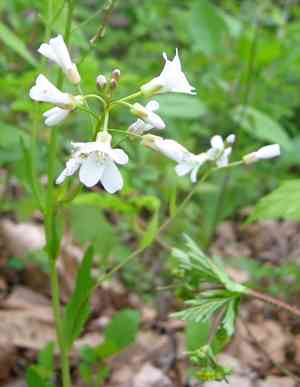
Bulbous bittercress adds to the aesthetic charm of any garden due to its distinct flower arrangement.
2
Strategic positioning and pairing with other plants can improve Bulbous bittercress's vitality and development.
3
Consistent care, including trimming and pest surveillance, ensures Bulbous bittercress remains lively throughout the year.
Exploring the Function of Bulbous bittercress in Garden Design
The Visual Appeal of Bulbous bittercress
A primary reason gardeners opt to feature Bulbous bittercress in their outdoor spaces is its aesthetic charm. The distinct form of its blossoms adds a unique allure that can elevate the overall beauty of your garden. Bulbous bittercress offers a delicate, refined appearance that integrates well into various garden styles, whether you prefer a structured landscape or a natural, untamed look. Including Bulbous bittercress can establish focal points that capture attention and provide a sense of completeness to garden aesthetics.
Advantages of Bulbous bittercress in Ecological Support
Cultivating Bulbous bittercress extends beyond visual appeal; it also introduces ecological benefits to your garden. This plant supports local fauna, including bees and other vital pollinators, which are crucial for a thriving ecosystem. By integrating Bulbous bittercress, you are not merely enhancing your landscape but also contributing to the broader environmental well-being of your locale. Furthermore, Bulbous bittercress can aid in improving soil quality and supporting other plant species by fostering favorable ground conditions.
Seasonal Considerations for Bulbous bittercress
When planning to incorporate Bulbous bittercress, it's crucial to account for the plantâs seasonal behaviors. Bulbous bittercress tends to flourish during specific seasons, and understanding these periods can help you maximize its growth and visual impact. For instance, plant Bulbous bittercress in early spring to enjoy its blooms later in the season. Knowing its growth cycle assists in planning other garden aspects, such as when to introduce companion plants and how to schedule your maintenance activities effectively.
Selecting the Ideal Spot for Bulbous bittercress
Soil Requirements for Peak Growth
Soil quality is paramount for the development of Bulbous bittercress. This plant thrives in moist, well-drained soil, rich in organic matter. Prior to planting, itâs advisable to test your garden soil to ascertain its pH and nutrient content. Incorporating organic compost can significantly improve soil quality, providing an optimal environment for Bulbous bittercress to flourish. By ensuring ideal soil conditions, you set the stage for healthy and vigorous growth.
Sunlight and Shade: Achieving the Right Balance
Bulbous bittercress necessitates a balance of sunlight and shade to prosper. Typically, it favors partial shade, making it suitable for locations that receive morning sun and afternoon shade. Positioning Bulbous bittercress in such areas can prevent it from scorching in intense afternoon sun while still receiving adequate light for effective photosynthesis. Observing and comprehending your garden's light patterns will help you choose the perfect spot for Bulbous bittercress.
Spacing and Arrangement Strategies
Appropriate spacing is vital for the health of Bulbous bittercress. Overcrowding plants can hinder air circulation, leading to increased vulnerability to diseases. Ideally, place Bulbous bittercress approximately 12-18 inches apart to provide ample room for growth and air movement. This spacing not only promotes healthier plants but also enables you to create a more aesthetically pleasing arrangement, with sufficient space for the plants to display their beauty.
Integrating Bulbous bittercress with Other Flora
Companion Plants that Complement Bulbous bittercress
Selecting suitable companion plants for Bulbous bittercress can enhance both its development and the overall visual appeal of your garden. Plants like hostas and ferns, which thrive in similar conditions, can beautifully complement Bulbous bittercress. These companions not only share comparable growing needs but also offer a dense foliage backdrop that accentuates Bulbous bittercressâs distinctive flowers. Thoughtfully choosing companion plants can foster a harmonious and flourishing garden environment.
Creating Color and Texture Contrasts
To cultivate an engaging and vibrant garden, consider incorporating color and texture contrasts with Bulbous bittercress. Pair Bulbous bittercress with plants that possess different leaf textures or complementary flower colors to add depth and visual interest to your garden. For instance, combining the delicate blossoms of Bulbous bittercress with the bold foliage of hostas creates a dynamic look. Experimenting with various plant pairings can enliven your garden with diverse visual and textural elements.
Avoiding Invasive Species Interactions
While integrating Bulbous bittercress with other plants, itâs crucial to steer clear of invasive species that can dominate and suppress your gardenâs diversity. Invasive species can outcompete Bulbous bittercress for nutrients, water, and light, resulting in poor growth or even the demise of your plants. Be diligent about researching new plants before adding them to your garden and regularly monitor your garden for any indications of invasive growth. Effective management ensures that Bulbous bittercress and its companions can thrive in equilibrium.
Care Guidelines for Healthier Bulbous bittercress
Consistent Pest Monitoring
Vigilance for pests is essential for maintaining robust Bulbous bittercress plants. Common pests such as aphids or caterpillars can harm the plant by feeding on its leaves and flowers. Regular inspections can help detect infestations early. If you observe pests, consider environmentally friendly options like neem oil or insecticidal soap. Consistent monitoring and prompt action can prevent minor issues from escalating into significant problems.
Pruning and Trimming: Optimal Practices
Pruning and trimming Bulbous bittercress aid in promoting healthy growth and preventing overcrowding. Cut back any dead or wilting parts of the plant to encourage new growth. Itâs also important to prune away overly dense sections to improve air circulation. Regular pruning not only keeps your plant healthy but also maintains its shape and appearance, ensuring it remains a stunning feature in your garden.
Seasonal Care Adjustments
The care required for Bulbous bittercress can vary with the seasons. During the active growth period, ensure consistent watering and feeding to support vigorous development. As winter approaches, consider applying mulch to protect the plantâs roots from frost. Adjusting your care routine to align with seasonal changes ensures that Bulbous bittercress continues to thrive year after year, regardless of the weather.
The Enduring Influence of Bulbous bittercress on Landscape Design
Boosting Property Value with Established Bulbous bittercress
Mature Bulbous bittercress plants can significantly elevate the value of your property. As these plants grow and become established, they provide a well-maintained, settled appearance to your garden, which can be very attractive to potential buyers. A beautiful, mature garden can be a key selling point, contributing to higher property valuations. Investing time and effort into nurturing Bulbous bittercress yields long-term benefits, both visually and financially.
Sustainability Contributions of Bulbous bittercress
Incorporating Bulbous bittercress into your landscape design contributes to sustainability. This plant supports biodiversity by attracting pollinators and other beneficial insects. Furthermore, its ability to thrive in moist environments can help manage water runoff and improve soil health. By choosing Bulbous bittercress, you are making an environmentally conscious decision that aligns with sustainable gardening practices.
Adaptability and Future-Proof Landscaping
A significant advantage of Bulbous bittercress is its adaptability. This plant can adjust to various conditions, making it a dependable choice for future-proof landscaping. It can withstand different weather patterns and soil types, ensuring your garden remains vibrant and appealing regardless of changing circumstances. Incorporating adaptable plants like Bulbous bittercress can help create a resilient garden that endures over time.



