How to Transplant Angel's trumpet?
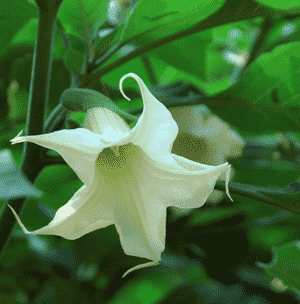
The most favorable period for relocating angel's trumpet is from mid-spring through late spring, as the ground temperature has risen, encouraging root development. Select a bright spot with soil that drains effectively, and preserve the root mass whole to guarantee optimal establishment.
What Preparations are Needed Before Transplanting Angel's Trumpet?
What is the Ideal Time for Transplanting Angel's Trumpet?
The optimal period for relocating angel's trumpet spans the revitalizing days of mid to late spring. This timing aligns with mild weather, ensuring the roots adapt quickly and easily. By selecting this beneficial window, angel's trumpet profits from the entire upcoming growing season, establishing a strong base and preparing for a summer of lush development. With a gentle encouragement, envision angel's trumpet flourishing, as the soft spring breeze helps its roots settle into their new home.
How Much Space Should You Leave Between Angel's Trumpet Plants?
Ensure each angel's trumpet is positioned approximately 6-8 feet (1.8-2.4 meters) apart. This provides ample room for your plants to expand and grow without competing for resources. It's like granting each plant its own miniature garden!
What is the Best Soil Mix for Angel's Trumpet Transplanting?
Begin by preparing the area with well-draining, fertile soil. Incorporate a layer of balanced foundational fertilizer to supply essential nutrients. Angel's trumpet thrives in soil that is slightly acidic to neutral, much like your morning beverage!
Where Should You Relocate Your Angel's Trumpet?
Select a spot that receives abundant sunlight! Angel's trumpet performs best with full sun exposure for at least 6 hours daily. However, it also appreciates some afternoon shade, particularly in hot climates. It's the perfect sun-lover!
What Equipments Should You Prepare Before Transplantation Angel's Trumpet?
Gardening Gloves
To safeguard your hands from soil and potential plant irritants.
Shovel or Spade
Required for digging and moving earth.
Gardening Fork
A useful implement for loosening soil and assisting in the removal of the plant from its prior location.
Garden Hose or Watering Can
Crucial for hydrating both the former and new site of the angel's trumpet.
Wheelbarrow or Plant Pot
For moving the angel's trumpet from its original spot to the new area.
Mulch
Helps maintain soil moisture and warmth after transplanting the angel's trumpet.
Support Stakes
Beneficial for angel's trumpet as it matures to prevent leaning or toppling.
How Do You Remove Angel's Trumpet from the Soil?
How Do You Remove Angel's Trumpet from the Soil?
From Ground: Start by watering the angel's trumpet to ensure moist soil, making removal easier. Remember to dig a wide enough circle around the plant to encompass most root structures. Using a shovel or spade, gently lift the plant, minimizing root damage. From Pot: Begin by watering the angel's trumpet. Then, carefully tip the pot sideways while supporting the angel's trumpet from its base. Use your hands to delicately extract the angel's trumpet from the pot. From Seedling Tray: Water the angel's trumpet in the tray. Gently hold the stem and leaves while pushing up the bottom of the tray beneath the angel's trumpet root ball. Be careful not to harm the roots during this process.
Step-by-Step Guide for Transplanting Angel's Trumpet
Preparation
Once the angel's trumpet has been safely extracted from its previous spot, prepare its new location. The hole should be twice as wide and deep as the plant's root ball, with the bottom loosened using a garden fork.
Placing
Position the angel's trumpet in the hole, ensuring it is not planted deeper than its original position. Arrange the angel's trumpet to stand upright.
Filling
Backfill the hole with soil, tucking it around the root ball, making sure no air pockets remain.
Watering
Water thoroughly after planting to settle the soil around the root ball. Ensure the soil is moist but not waterlogged.
Mulching
Apply a layer of mulch around the base of the angel's trumpet to retain moisture and regulate soil temperature.
How Do You Care For Angel's Trumpet After Transplanting?
Staking
Depending on the size of the angel's trumpet, it might require staking for support. If the plant was blooming, consider removing some flowers to alleviate stress on the plant.
Watering
While the angel's trumpet establishes itself in its new location, consistent hydration is crucial. However, be careful not to create a waterlogged environment, as this can lead to root rot.
Protection
Shield the plant from harsh weather conditions like intense direct sunlight or strong winds for a few days following the transplant.
Inspecting
Regularly check your angel's trumpet for signs of distress such as wilting or discolored leaves. Should you observe such indications, adjust care as needed.
Troubleshooting Common Issues with Angel's Trumpet Transplantation.
When is the best time to transplant my angel's trumpet?
The optimal period to transplant your angel's trumpet is during seasons 2-3, which roughly corresponds to late spring and summer. This is when the plant is most capable of adapting to change.
What preparations do I need before transplanting my angel's trumpet?
First, immerse the roots of your angel's trumpet in water to lessen transplant shock. Amend the soil with organic matter for nutrients, and ensure the hole is twice the width of the root ball.
How far apart should I space my angel's trumpet when transplanting?
Plan to provide your angel's trumpet ample room to grow. Ideal spacing is between 6 to 8 feet (1.8-2.4 meters). This promotes healthy air circulation and development.
What special care is required post-transplanting for my angel's trumpet?
Water your angel's trumpet generously after transplanting. Maintain soil moisture but prevent waterlogging. Regularly check for pests. In the initial weeks, consider providing shade from intense sunlight.
How deep should I plant my angel's trumpet when transplanting?
A good guideline is to plant your angel's trumpet at the same depth as its original pot. The top of the root ball should be level with the ground surface.
How often should I water my angel's trumpet after transplanting?
Aim to keep the soil moderately moist, watering more frequently during the first two weeks. Afterward, adjust watering based on weather conditions and signs of plant stress.
Why are the leaves of my transplanted angel's trumpet drooping?
Drooping leaves after transplanting are common and usually indicate transplant shock. Continue watering and reduce exposure to direct sunlight until the plant recovers.
Can I transplant my angel's trumpet during flowering?
Avoid transplanting angel's trumpet while it is flowering. The plant directs energy towards blooming, which can heighten transplant shock. It's better to wait until the blooming period concludes.
What should I do if my transplanted angel's trumpet doesn't seem to grow?
Patience is essential. Angel's trumpet may require time to establish after transplanting. Ensure proper care: maintain moisture, protect from harsh elements, and fertilize with a balanced product if necessary.
Can I transplant angel's trumpet to a pot?
Yes, you can transplant angel's trumpet to a pot. However, ensure the pot is sufficiently large to accommodate growth, ideally around 18-24 inches (46-61 cm) in diameter, with good drainage.



