Enhancing Your Garden Design with the Angel's trumpet Plant: A Landscaping Guide
1
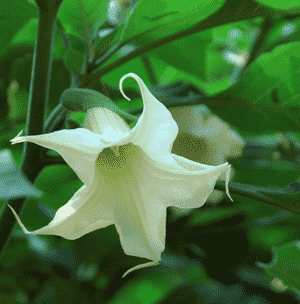
The substantial, trumpet-like blooms of Angel's trumpet can act as a striking centerpiece in any garden setting.
2
Ideal positioning for Angel's trumpet considers sun exposure, shade, and its integration with surrounding flora.
3
Angel's trumpet integrates effortlessly with architectural features such as walkways and terraces to form impressive garden elements.
Introducing Angel's Trumpet in Garden Design
Angel's Trumpet's visual appeal overview
Angel's trumpet, recognized for its large, hanging blooms, brings a captivating presence to any garden. These flowers, varying from white to pink to yellow, possess a whimsical and dramatic charm, instantly elevating your landscape's visual quality. The striking blossoms, paired with Angel's trumpet's abundant leaves, help cultivate a rich, exotic ambiance, reminiscent of tropical settings. Its distinct appearance ensures it stands out, making it an excellent choice for gardeners aiming to infuse their outdoor areas with something extraordinary.
Angel's Trumpet's role in creating garden focal points
In landscape architecture, establishing focal points is crucial for attracting attention and providing structure, and Angel's trumpet perfectly fulfills this role. The plant's bold look acts as a natural centerpiece, offering a dramatic focal point that can anchor the garden's design. Whether placed individually or in groups, Angel's trumpet draws the eye and guides the viewer's gaze. Positioning Angel's trumpet at key garden spots, such as near seating areas or at the entrance, can improve the overall aesthetic, creating visually engaging areas that encourage exploration and appreciation.
Optimal Placement of Angel's Trumpet in Your Garden
Considering light and shade requirements
Angel's trumpet flourishes best with ample bright, indirect sunlight, though it can endure some direct sun, especially in cooler regions. It's crucial to find a garden spot that offers the right balance of sun and shade. Planting Angel's trumpet in too much shade can impede its flowering, while excessive direct sun, particularly in hotter climates, might cause leaf scorch. This balance ensures Angel's trumpet not only looks its best but also remains healthy and vibrant through various seasons.
How placement affects overall garden design
The positioning of Angel's trumpet can significantly impact your garden's flow and visual appeal. Thoughtfully placing the plant where its height and spread complement other features can help create harmony and continuity in the landscape. For instance, using Angel's trumpet to border garden paths or water features can enhance these elements, making them more inviting. Additionally, placing Angel's trumpet in corners or along garden edges can help define spaces and create structure, contributing to a well-organized and aesthetically pleasing garden layout.
Tips for grouping Angel's Trumpet with other plants
Pairing Angel's trumpet with other plants can create dynamic and visually appealing arrangements in your garden. Consider combining it with plants of contrasting textures and heights to highlight its unique characteristics. For example, mixing Angel's trumpet with grasses or ferns can create an interesting textural contrast, while partnering it with plants that have larger or brightly colored foliage can boost visual interest. This careful grouping can also support Angel's trumpet's health by optimizing light and moisture conditions, ensuring all plants thrive together harmoniously.
Seasonal Considerations for Angel's Trumpet
Blooming cycles and their visual impact
Angel's trumpet has a distinct blooming cycle that can bring varied visual experiences to your garden throughout the year. Typically, Angel's trumpet flowers in warmer months, producing a stunning display of blooms that can last for weeks. This period can be incorporated into a larger garden design to ensure continuous interest in your outdoor space. Understanding and anticipating Angel's trumpet's blooming cycle allows you to design your garden to look vibrant and attractive at different times of the year, complementing the flowering patterns of other plants.
Maintaining Angel's Trumpet through different seasons
Proper care for Angel's trumpet varies seasonally to keep the plant healthy and beautiful year-round. During the growing season, regular watering, feeding, and pruning will help Angel's trumpet thrive and bloom profusely. As colder weather approaches, protective measures like mulching and, in some cases, moving potted Angel's trumpet indoors are necessary to shield the plant from frost damage. By adapting your care routine to the changing seasons, you ensure Angel's trumpet continues to enhance your garden with its lush foliage and spectacular flowers.
Integrating Angel's Trumpet with Hardscape Elements
Design ideas for pairing Angel's Trumpet with pathways and patios
Angel's trumpet can significantly enhance hardscape elements like pathways and patios, creating a harmonious blend between your garden's softscape and hardscape features. Planting Angel's trumpet along pathways can create a welcoming atmosphere, guiding visitors with its beautiful, cascading flowers. Near patios, Angel's trumpet can offer shade and a stunning backdrop, transforming the area into a relaxing retreat. The interaction between structural elements and the natural beauty of Angel's trumpet results in a cohesive and attractive outdoor space that feels both structured and organically beautiful.
Using Angel's Trumpet as a natural privacy screen or border
Angel's trumpet can also serve practical purposes in the garden, such as acting as a natural privacy screen or border. Its dense foliage and substantial height make it an effective way to create secluded areas or shield certain parts of your garden from view. When used as a border, Angel's trumpet can delineate different garden sections, adding both functional and aesthetic value. This dual purpose means Angel's trumpet is not just a decorative feature but also plays a role in the overall layout and usability of your garden space.
Common Mistakes to Avoid with Angel's Trumpet in Landscaping
Overcrowding Angel's Trumpet, which may hinder growth
A common error when incorporating Angel's trumpet into the landscape is overcrowding. This plant requires ample space for its roots and foliage to spread, allowing it to thrive and produce its magnificent blooms. Overcrowding can restrict its growth, leading to stunted plants that fail to display their full beauty. Ensuring adequate spacing not only helps Angel's trumpet grow healthily but also allows its dramatic presence to stand out, enhancing your garden's overall aesthetic.
Neglecting Angel's Trumpet's specific needs, leading to poor health and appearance
Ignoring Angel's trumpet's specific needs, such as its watering, feeding, and sunlight requirements, can result in poor health and a dull appearance. It's crucial to understand and address these needs to keep Angel's trumpet flourishing. Regularly check soil conditions, ensure proper fertilization, and protect Angel's trumpet from pests to maintain its vigor. By giving Angel's trumpet the attention it requires, you can enjoy a healthy, vibrant plant that continues to enhance your landscape with its stunning flowers and lush foliage year after year.



