How to Prune Angel's trumpet?
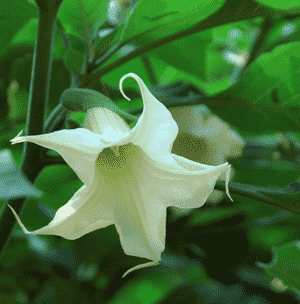
This decorative bush, recognized for its substantial, drooping blossoms and pleasant aroma, flourishes with appropriate attention. Essential trimming methods include excising lifeless or ailing limbs, reducing dense sections to enhance air circulation, and sculpting for a harmonious, attractive appearance. The most suitable period for pruning is during winter while angel's trumpet is inactive, thereby minimizing vulnerability to strain and infestations. Pruning stimulates robust development, fosters abundant flowering, and sustains the plant's well-being. Given angel's trumpet's poisonous nature, safety is crucial; utilize protective equipment.
What Are the Benefits of Pruning Angel's Trumpet?
What Are the Benefits of Pruning Angel's Trumpet?
Trimming angel's trumpet promotes more vigorous development by eliminating aged or overgrown stems, which stimulates fresh growth. It also aids in preserving the desired form, ensuring angel's trumpet remains visually appealing and of a manageable size.
What Is the Best Time for Pruning Angel's Trumpet?
What Is the Best Time for Pruning Angel's Trumpet?
The optimal period for trimming angel's trumpet is from late winter to early spring. This timing coincides with the plant's dormant phase, when it is not actively growing. Pruning at this time allows gardeners to shape the plant without risking harm to new growth, which is vulnerable to damage. Furthermore, after winter pruning, the plant's energy is directed towards recovery and the production of new, strong growth in spring, resulting in a healthier and more controlled plant structure. Pruning after the danger of frost has passed but before the start of the main growing season helps encourage robust growth and blooming, as angel's trumpet flowers on new wood. This ensures that the potential for flowering is maximized, while the plant maintains a manageable size and shape.
What Tools Do I Need to Prune Angel's Trumpet?
Hand Pruners
Perfect for making precise cuts on angel's trumpet's smaller branches and removing spent blooms. Opt for bypass pruners that create clean cuts which heal quickly, reducing disease risk.
Lopping Shears
Suitable for cutting through angel's trumpet's thicker branches that hand pruners cannot manage. Their extended handles provide leverage for easier cutting.
Pruning Saw
Essential for removing angel's trumpet's mature branches with a diameter exceeding what lopping shears can handle. A pruning saw enables cutting through thick wood without harming the plant.
Gloves
Crucial for safeguarding hands from angel's trumpet's potentially irritating sap during pruning. Thick gloves can prevent cuts and skin irritation.
Safety Glasses
A protective measure for the eyes against any debris or sap when cutting branches of angel's trumpet. It's vital for personal safety during gardening tasks.
How to Prune Angel's Trumpet
Disinfect
Before beginning, sanitize all pruning tools with a solution of 1 part bleach to 9 parts water to prevent the spread of diseases.
Remove Dead Branches
Using sharp, clean pruning shears, cut dead branches on angel's trumpet at their base where they meet healthy wood, ensuring cuts are clean and at a slight angle to prevent water accumulation that could lead to disease.
Cut Diseased Branches
Identify and remove any diseased branches from angel's trumpet, making cuts well below the affected area to ensure all diseased tissue is eliminated. Dispose of these branches away from healthy plants.
Thin Crown
Thin out the crown of angel's trumpet if necessary by removing some of the inner branches to improve air circulation and light penetration, which can help reduce the potential for disease.
Cleanup
Clear away all debris from the pruning process around angel's trumpet to prevent the potential for fungal diseases or pests that might be harboring in the discarded plant material.
Common Pruning Mistakes with Angel's Trumpet
Overpruning
Removing too much foliage and branches can stress angel's trumpet, leading to a weakened state and reduced blooming. It is advisable to prune no more than one-third of the plant at a time.
Improper Cutting Technique
Using dull or dirty pruning tools can cause ragged cuts that are more prone to infections. It's essential to make clean, angled cuts just above leaf nodes with sharp, sterilized pruning shears.
Ignoring Plant Structure
Failure to understand angel's trumpet's natural shape can result in a loss of form and aesthetics. Gardeners should aim to maintain the plant's structure while promoting healthy growth.
Neglecting Health Issues
Not removing dead, damaged, or diseased branches can leave angel's trumpet vulnerable to further health problems. It's important to regularly inspect and promptly remove any affected parts.
Common Pruning Tips for Angel's Trumpet
Selective Pruning
Identify and selectively remove just the old branches that have already flowered, as angel's trumpet blooms on new growth. This encourages the plant to produce more shoots, leading to robust flowering.
Height Control
Prune the top of angel's trumpet to control its height. This stimulates growth lower down, creating a fuller, bushier appearance while keeping the plant's size manageable.
Shaping
Gentle shaping can direct growth and enhance the overall appearance of angel's trumpet. However, always prioritize the plant's health and flowering capacity over aesthetic considerations.
Clean Equipment
Always use clean, sharp pruning tools to make precise cuts. This prevents the risk of disease transmission and promotes quicker healing of the pruned areas.
Sparse Pruning
For mature plants, sparse but regular pruning is preferable over infrequent, heavy pruning. This maintains the plant's vigor and flowering potential.



