The Hidden Danger in Your Home? Unmasking the Toxicity of the Angel's trumpet Plant.
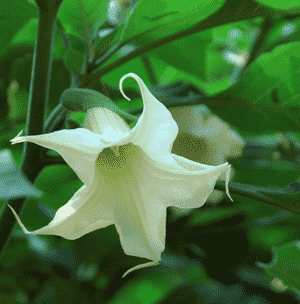
1
Every part of angel's trumpet is poisonous to people, with the foliage and seeds posing the greatest risk, leading to potentially deadly intoxication.
2
Signs of angel's trumpet toxicity in animals encompass labored breathing, enlarged pupils, and potentially lethal consequences if not treated quickly.
3
The harmful compounds in angel's trumpet are atropine, scopolamine, and hyoscyamine, necessitating urgent veterinary attention for pets that have ingested it.
Is Angel's trumpet toxic to humans?
Ingestion of angel's trumpet is the most probable cause of poisoning. Every part of the angel's trumpet plant is poisonous to humans when consumed, with the leaves and seeds being the most potent. Consuming this plant can lead to death or severe illness. Symptoms might include muscle weakness, paralysis, impaired vision, disorientation, rapid heartbeat, dry mouth, constipation, tremors, headaches, poor coordination, hallucinations, and delirium. It is commonly grown as an ornamental plant in warmer climates, so gardeners should exercise caution. Given its potential proximity to homes, children should also be carefully monitored.
Is Angel's trumpet toxic to cat?
Angel's trumpet poses a significant toxicity threat to felines, with the entire plant being hazardous if consumed. Cats can suffer poisoning by chewing on any portion of angel's trumpet, which might be mistaken for safe foliage. Signs of poisoning include behavioral changes like agitation or sluggishness, respiratory distress, dilated pupils, a fast pulse, and potentially fatal consequences without swift medical intervention. While atropine, scopolamine, and hyoscyamine alkaloids are the harmful compounds in angel's trumpet, an urgent trip to a veterinary clinic is vital for managing the poisoning.
Is Angel's trumpet toxic to dog?
Angel's trumpet presents a serious toxicity hazard to canines, and pet owners must be aware of the dangers this plant poses. Dogs can be poisoned if they accidentally consume any part of angel's trumpet, as the whole plant is poisonous. Following ingestion, dogs may display symptoms such as dilated pupils, muscle weakness, breathing difficulties, irregular heartbeats, and potentially seizures or coma due to its high toxicity. The alkaloids atropine, scopolamine, and hyoscyamine found in angel's trumpet are responsible for these detrimental effects. If a dog is suspected of having eaten angel's trumpet, immediate veterinary attention is crucial to treat the poisoning and maximize the chances of recovery.



