How to Propagate Angel's trumpet?
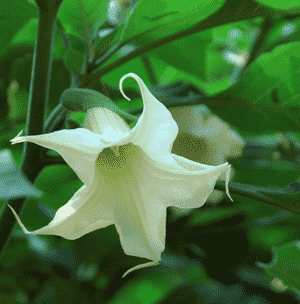
Brugmansia, recognized for its substantial, aromatic blossoms, is commonly multiplied via cuttings. For improved rooting success, utilize robust, semi-lignified sections from the specimen. Apply a rooting stimulant to the severed extremities and embed them in a potting blend that drains effectively. Sustain uniform dampness and supply filtered illumination until root systems emerge, guaranteeing a warm setting to foster development.
What Is the Best Time To Propagate Angel's Trumpet?
Propagation Type
Cutting
Propagation Season
Autumn,Winter
What Tools Are Used in Angel's Trumpet Propagation?
Sharp Pruning Shears
Crucial for making clean cuts of stem from angel's trumpet, sharp pruning shears lessen the chance of infection and harm to the parent plant. A precise cut aids in the efficient recovery of the cut area on both the parent plant and the cutting, fostering improved root development in the propagated plants.
Rooting Hormone
This encourages root development from angel's trumpet cuttings, boosting the likelihood of successful propagation. By applying a rooting hormone to the freshly cut stem, the chances of the cutting establishing and forming a robust root system increase.
Sterilization Equipment (e.g., alcohol, bleach solution)
Utilized to sanitize pruning shears and any other implements before and after taking angel's trumpet cuttings. This prevents the spread of diseases and pathogens that could jeopardize the health and viability of both the cuttings and the parent plant.
Potting Mix
A well-draining, sterile potting mix suitable for angel's trumpet offers the perfect environment for root growth without being too dense or prone to fungus, which can be lethal to new cuttings. It should ideally contain a blend of peat, perlite, and vermiculite to retain moisture while allowing excess water to drain.
Humidity Dome or Plastic Wrap
Helps maintain a high moisture environment around angel's trumpet cuttings, which is vital for promoting root development. This tool minimizes moisture loss from the leaves, ensuring the cuttings do not dry out before establishing roots.
Heat Mat
Especially important for angel's trumpet propagation as it provides warmth to the bottom of the rooting medium, thereby encouraging quicker root growth. Maintaining an ideal temperature around the rooting zone is essential for the success of new angel's trumpet cuttings.
How to Propagate Angel's Trumpet?
Propagation Type
Moderately Difficult
How to Care for Your Newly Propagated Angel's Trumpet?
How to Care for Your Newly Propagated Angel's Trumpet?
Post-propagation, angel's trumpet needs consistent watering, allowing the soil to become slightly dry between irrigation. Provide angel's trumpet with a balanced, liquid fertilizer every few weeks during its active growth period. Ensure it's situated in a spot with full sun to partial shade and shield it from strong gusts. Pruning is necessary to shape the plant and encourage denser growth. As angel's trumpet can be sensitive to cold, in cooler climates it may require protection or to be moved indoors during winter.
Common Mistakes to Avoid When Propagating Angel's Trumpet
Insufficient Humidity
Attempting to propagate angel's trumpet cuttings in a low-humidity setting can lead to drying out and failure to root, as angel's trumpet thrives in a more humid environment for successful new growth establishment.
Overwatering
Providing too much moisture can cause angel's trumpet cuttings to rot, impeding root development and potentially killing the young plants.
Too Much Sun
Exposing angel's trumpet cuttings to direct sunlight can result in leaf scorching and stress on the developing plants, which require indirect light during the initial propagation stages.
Using Dull Tools
Employing non-sterile or blunt cutting tools can harm the parent plant and the cuttings, leading to poor healing and an increased risk of disease.
Improper Cutting Size
Taking cuttings that are either too short or too long can negatively impact the rooting process; overly short cuttings may lack sufficient nodes for root initiation, while excessively long ones can struggle to support themselves.
Tips For Propagating Angel's Trumpet
Humidity Control
Create a moist microclimate for angel's trumpet cuttings by placing them under a plastic cover or in a propagator, which helps retain the moisture needed for root formation.
Moderate Watering
Water the angel's trumpet cuttings just enough to keep the soil damp but not waterlogged to prevent rot while encouraging root growth.
Indirect Light
Position angel's trumpet cuttings in bright, indirect light to avoid leaf burn and to supply the energy required for rooting without the stress of full sun.
Use of Sharp, Clean Tools
Always use sharp, sterile cutting tools to make clean cuts on angel's trumpet, reducing damage and the risk of disease introduction.
Optimal Cutting Size
Cut stem sections of angel's trumpet that are approximately 4-6 inches in length, ensuring they have at least two to three nodes to maximize rooting potential without putting undue strain on the cutting.



