How to Transplant Desert Marigold?
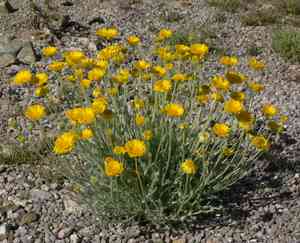
Relocate desert Marigold in the pleasant temperatures of late spring to early summer to ensure its best development. Select a bright, adequately draining location. Bear in mind, desert Marigold flourishes with ample light and heat, so carefully position it where it can absorb direct sunlight.
What Preparations are Needed Before Transplanting Desert Marigold?
What is the Ideal Time for Transplanting Desert Marigold?
Relocate desert Marigold when late spring's warmth or early summer's arrival graces your garden. This timing allows desert Marigold to settle in milder conditions, fostering robust root development before the intense summer heat. Choosing this period for the move ensures your desert Marigold flourishes, utilizing the gentle transition to reduce stress on these vibrant blossoms.
How Much Space Should You Leave Between Desert Marigold Plants?
When placing your desert Marigold, envision a circular area roughly 2-3 feet (60-90 cm) in diameter around each planting spot. This provides ample room for your plants to expand and thrive. These sun-loving beauties appreciate some personal space!
What is the Best Soil Mix for Desert Marigold Transplanting?
Your desert Marigold will greatly benefit from well-draining soil, so consider a sandy or loamy blend. Incorporating a base fertilizer before planting will give your young plants a healthy start. A slow-release granular fertilizer is both beginner-friendly and effective.
Where Should You Relocate Your Desert Marigold?
Your desert Marigold adores the sun! Select a spot where it will receive at least six hours of direct sunlight daily. This guarantees its magnificent yellow flowers will bloom spectacularly. A happy plant makes for a happy gardener!
What Equipments Should You Prepare Before Transplantation Desert Marigold?
Gardening Gloves
To safeguard your hands from thorns and soil while handling the desert Marigold.
Spade or Shovel
Required for excavating the hole in the ground for relocating the desert Marigold.
Trowel
Aids in carefully extracting the desert Marigold from its initial location without harming its root system.
Watering Can or Hose
Crucial for thoroughly hydrating the desert Marigold both before and after the relocation.
Pruning Shears
Useful for trimming any damaged or diseased portions of the desert Marigold.
Organic Compost or Mulch
Helps supply the desert Marigold with essential nutrients after transplant and inhibits weed growth.
Garden Cart or Tarp
For moving the desert Marigold from its original spot to the new site.
How Do You Remove Desert Marigold from the Soil?
How Do You Remove Desert Marigold from the Soil?
From Ground: Water the desert Marigold plant thoroughly the day prior to transplant. This ensures the soil is damp and roots can be extracted without damage. Carefully dig around the desert Marigold in a wide circle using a spade or trowel. Ensure to dig deep enough to encompass the entire root system. Gently lift the desert Marigold from the ground, minimizing root disturbance.From Pot: If the desert Marigold is in a container, water it well beforehand. Gently loosen the soil and tilt the pot sideways, handling the desert Marigold with care. Slide the desert Marigold out of the pot by gently tapping the bottom.From Seedling Tray: If you are cultivating the desert Marigold in a seedling tray, transplant it once it develops a healthy set of true leaves. Saturate the tray thoroughly, which will facilitate easier removal of the desert Marigold. Gently pull out each desert Marigold by its leaves, ensuring the roots come out with the attached soil.
Step-by-Step Guide for Transplanting Desert Marigold
Preparation
Remove any dead or diseased foliage and stems using your pruning shears. Prepare the new site by digging a hole approximately twice as wide and equal in depth to the desert Marigold's root ball. Place some compost or garden soil at the base of this hole.
Insertion
Position the desert Marigold in the prepared hole. The top of the root ball should be level with or slightly below the ground surface. Fill the hole halfway with garden soil, gently tamping down to eliminate any air pockets.
Watering
Lightly water the desert Marigold before filling in the remainder of the hole. This aids the roots in adapting to the new soil. After the water has absorbed, finish filling the hole with soil.
Final Touch
Gently firm the soil around the desert Marigold, but be careful not to compact it excessively. Water thoroughly again, and apply a layer of mulch around the base to retain soil moisture.
How Do You Care For Desert Marigold After Transplanting?
Watering Frequency
During the initial weeks post-transplant, monitor the desert Marigold's soil moisture. It should be damp, but not waterlogged or soggy. Gradually transition to a regular watering schedule as the plant establishes in its new location.
Pruning
Inspect the desert Marigold plant for any indications of disease or pest infestation. Promptly prune off any diseased or dead sections to prevent spread. Regular trimming also promotes vigorous growth.
Frost Protection
If you reside in an area with cold winters, provide protection for the desert Marigold with frost cloths or by moving the plant to a sheltered spot if feasible. Remember, the desert Marigold is a desert plant and may not endure harsh winters outside its natural habitat.
Feeding
One month after relocating the desert Marigold, add a layer of compost around it. This will supply it with ample nutrients for growth.
Troubleshooting Common Issues with Desert Marigold Transplantation.
What's the best time of the year to transplant desert Marigold?
The optimal period to move desert Marigold outdoors is during late summer to early fall (S3-S4). This provides sufficient time for it to establish before winter's arrival.
What should be the ideal space between two desert Marigold plants when transplanting?
To prevent overcrowding and ensure optimal development, maintain a distance of approximately 2-3 feet (60-90 cm) between each desert Marigold plant during relocation.
How deep should the hole be when transplanting desert Marigold?
The hole for desert Marigold should be deep enough to accommodate the entire root ball. Typically around 10 inches (25 cm) deep, depending on the plant's size.
What kind of soil is needed for transplanting desert Marigold?
Desert Marigold thrives in well-drained soil. Be sure to amend your soil with sand or gravel to enhance its drainage if it's too dense or clayey.
How should I water desert Marigold after transplanting?
Water desert Marigold thoroughly immediately after transplanting. Afterward, maintain moderate moisture, but avoid over-watering, as desert Marigold exhibits some drought resistance.
How much sunlight does desert Marigold need after transplanting?
Desert Marigold requires full sunlight for optimal growth. Ensure your transplant location provides at least 6-8 hours of direct sunlight daily.
What should I do if the leaves of desert Marigold turn yellow after transplanting?
Yellow leaves may indicate excessive watering or poor drainage. Allow the soil to dry out before re-watering, and ensure that your desert Marigold is not sitting in standing water.
What precautions should I take to prevent shock in desert Marigold during transplanting?
Minimize transplant shock by watering thoroughly before and after relocation. Also, avoid transplanting during extreme heat or cold, which can stress the plant.
Do I need to fertilize desert Marigold after transplanting?
Two weeks after transplanting, apply a balanced slow-release fertilizer to encourage robust root growth and abundant blooms in your desert Marigold.
What if the desert Marigold isn't thriving after transplanting?
Closely monitor the plant. Avoid over or under watering, ensure it receives ample sunlight, and check for signs of pests or disease. Seek expert advice if issues persist.



