How Much Sunlight Do Desert Marigold Need?
1
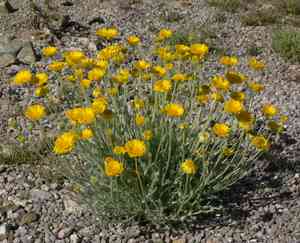
Desert Marigold flourishes with ample sunlight, needing a minimum of 6 hours of direct sun each day.
2
Lack of adequate light can lead to elongated stems and fewer blooms for Desert Marigold.
3
Consistent monitoring and seasonal modifications ensure ideal sun exposure for robust development.
Why Is Sunlight Crucial for Desert Marigold?
Photosynthesis and Development
Sunlight is vital for Desert Marigold as it plays a key role in photosynthesis. This process transforms light energy into chemical energy, which powers the plant's growth. By absorbing solar rays through its foliage, the Desert Marigold can produce the carbohydrates needed to flourish in its arid environment. Without enough sunlight, this energy production slows, potentially hindering the plant's development and overall vitality.
Blossoming and Reproduction
Sunlight also impacts the flowering and blooming cycle of the Desert Marigold. Sufficient sun exposure ensures the plant can produce its distinctive bright yellow blossoms. These flowers are not only visually appealing but also essential for the plant's propagation. Inadequate sunlight can result in fewer or less vibrant blooms, affecting both the aesthetic appeal and reproductive success of the plant.
Optimal Solar Conditions for Desert Marigold
Full Sun Requirements
Desert Marigold thrives best in full sun conditions. This means the plant should be exposed to direct sunlight for most of the day. Full sun implies a minimum of six hours of direct sunlight daily, which promotes vigorous growth and abundant flowering. In its native habitat, the Desert Marigold is accustomed to the intense and constant sun of desert climates, making full sun conditions ideal for its well-being and development.
Recommended Daily Sunlight Hours
For optimal development, it's advised that the Desert Marigold receives between 6 to 8 hours of direct sunlight daily. This amount of sunlight is crucial not only for energy generation through photosynthesis but also for ensuring the plant maintains its natural form and robust, healthy stems. Too little sunlight can lead to a leggy, weak plant, while excessive direct sun without adequate water can stress the plant.
Positioning Your Desert Marigold for Best Sun Exposure
Garden Location Selection
When choosing a spot for your Desert Marigold in the garden, seek an area that receives unfiltered sunlight throughout the day. South-facing locations typically offer the best sun exposure. Ensure the spot is clear of obstructions like trees, fences, or structures that might cast shadows and reduce the amount of direct sunlight the plant receives.
Managing Shade and Sunlight
While the Desert Marigold prefers full sun, it's also important to monitor its exposure, especially in regions with particularly intense afternoon sun which can be harsh. If you observe signs of sun stress, such as scorched leaves, consider providing some shade during the hottest part of the day. This can be achieved using shade cloths or placing the plant where it can benefit from partial shade in the afternoon.
Common Sunlight Issues and Solutions
Signs of Excessive Sun
Too much sunlight can cause leaf scorching, appearing as brown, crispy edges on the foliage. The plant may also show signs of wilting even when the soil is sufficiently moist. To alleviate these effects, ensure the plant has access to enough water and, if necessary, provide temporary shade during peak sunlight hours.
Signs of Insufficient Sunlight
If the Desert Marigold doesn't receive enough sunlight, it may exhibit leggy growth, where stems grow long and weak in search of light. Flowering might be sparse, and the plant may not bloom at all. To correct this, gradually move the plant to a sunnier location, ensuring it gets the required amount of light slowly to prevent shock.
Adjusting Sun Exposure
Adjusting sun exposure involves both increasing and decreasing the light the plant receives based on its current health and growing conditions. For increasing sunlight, gradually move the plant to a brighter location over several days. For decreasing sunlight, provide shade during the hottest parts of the day or slightly move the plant to an area with partial shade.
Monitoring and Maintaining Sunlight Needs
Regular Observation
Regularly observe your Desert Marigold to ensure it receives the correct amount of sunlight. Note the plant's growth patterns, leaf coloration, and flowering. Document changes and make necessary adjustments to its location or shade arrangements as needed. Consistent observation helps detect issues early before they impact the plant's overall health.
Seasonal Adjustments
Seasonal changes bring variations in sunlight intensity and duration. During winter, when sunlight is less intense, you might need to adjust the Desert Marigold's location to ensure it still receives adequate light. In summer, be mindful of the intense midday sun and provide temporary shade if necessary to protect the plant from sunburn and heat stress.



