How to Propagate Desert Marigold?
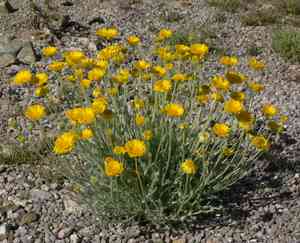
Originating from desert environments, desert Marigold flourishes in dry climates, displaying vibrant yellow flowers. Its reproduction is frequently effective via cuttings, which ought to be harvested from robust, non-blooming stems. To facilitate root development, immerse the severed tip into a rooting compound prior to embedding it in a porous, sandy substrate. Offer abundant sunlight and limited irrigation to replicate its native setting, ensuring the cuttings do not remain excessively moist to prevent decay. Steady warmth assists in the establishment of roots.
Optimal Time for Desert Marigold Propagation
Propagation Type
Cutting
Propagation Season
Spring,Summer
Tools for Desert Marigold Propagation
Sharp Pruning Shears
These are vital for taking clean, precise cuttings from desert Marigold. Sharp blades minimize damage to the parent plant, reducing infection risk and promoting faster healing. A cleaner cut improves the chances of successful rooting.
Rooting Hormone Powder
Applying rooting hormone to the cut stem bases boosts root development. This specialized compound stimulates root growth in cuttings, which is crucial for desert Marigold to establish a strong root system quickly, increasing the survival rate of propagated plants.
Sterile Potting Mix
Using a sterile potting mix for planting cuttings is essential to prevent disease and encourage healthy root growth. A well-draining, nutrient-balanced mix suits desert Marigold, ensuring cuttings aren't in overly moist soil, which can cause root rot.
Humidity Domes
These covers for cuttings help maintain high humidity, which benefits desert Marigold cuttings by preventing excessive water loss through transpiration. This is especially important during the initial rooting stages, where adequate moisture is critical for new root development.
Small Pots or Trays
Suitable for individual desert Marigold cuttings, small pots or trays allow for efficient space management and easier movement. These containers must have good drainage to let excess water escape, preventing root diseases.
How to Propagate Desert Marigold?
Propagation Type
Easy
Caring for Your Newly Propagated Desert Marigold
Caring for Your Newly Propagated Desert Marigold
Once roots are established, typically in a few weeks, gradually expose young desert Marigold to more sunlight. Water when the top inch of soil is dry, and ensure a well-draining environment to prevent root rot. Avoid overwatering, as desert Marigold is drought-tolerant. Fertilization is usually not needed. Adjust care as the plant matures and becomes more drought-tolerant, mimicking its natural desert habitat.
Common Mistakes to Avoid When Propagating Desert Marigold
Overwatering
Propagating desert Marigold often leads to overwatering, as this desert plant needs minimal moisture. Too much water can cause root rot and fungal diseases, which are detrimental to the propagation process.
Improper Soil Mix
Using a soil mix that drains poorly or retains too much moisture can be problematic for desert Marigold. This plant thrives in well-draining soil, and an unsuitable mix can hinder root development.
Excessive Fertilization
Desert Marigold does not require many nutrients to thrive. Over-fertilization can lead to leaf burn and reduce the plant's overall health, making successful propagation less likely.
Ignoring Light Requirements
Desert Marigold needs ample sunlight for proper growth. Propagating in low-light areas will result in weak, leggy plants that are less likely to survive.
Tips For Propagating Desert Marigold
Seed Scarification
Desert Marigold seeds have a tough outer layer. Gently scratching the seeds before planting can improve water absorption and germination rates.
Use Sandy Soil
For successful propagation, plant desert Marigold in a sandy, well-draining soil mix. This imitates their natural desert habitat and encourages healthy root development.
Moderate Watering
While desert Marigold is drought-tolerant, during propagation, it's crucial to provide just enough water to keep the soil slightly moist, supporting seedling growth without risking waterlogged soil.
Full Sun Exposure
Ensure desert Marigold is placed in an area that receives full sun for most of the day. Adequate light is essential for the strong growth of seedlings and mature plants.



