The Desert Marigold Plant Advantage: Maximizing Home and Office Appeal and Wellness
1
Flourishes in dry and difficult environments.
2
Provides environmental advantages through local fauna support.
3
Improves garden aesthetics with vivid, enduring flowers.
Why Select Desert Marigold for Your Garden?
Resilience to Harsh Conditions
Desert Marigold is uniquely suited to thrive in dry environments with limited moisture. This makes it an excellent option for xeriscaping, a landscaping approach that minimizes or eliminates the need for watering. Its deep root system enables it to access water deep within the soil, making it drought-resistant and capable of enduring severe desert climates. This adaptability reduces upkeep and irrigation demands, conserving water and effort while promoting sustainable gardening methods.
Extended Bloom Period
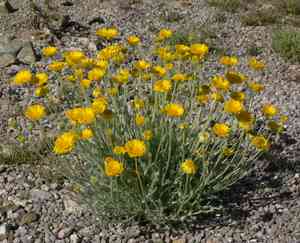
One of the most striking characteristics of Desert Marigold is its vibrant and enduring blossoms. The bright yellow flowers can bloom from spring through fall, providing a continuous burst of color to your garden. These cheerful and hardy flowers are not only visually appealing but also attract beneficial insects like bees and butterflies, aiding in the pollination of other plants in your garden. This prolonged flowering period adds aesthetic value and supports local ecosystems through increased biodiversity.
How Does Desert Marigold Support Local Ecosystems?
Wildlife Sanctuary
Desert Marigold plays a vital role in offering refuge and sustenance for local wildlife. The plant's dense foliage provides a habitat for various insects and small creatures, while its flowers supply nectar to pollinators such as bees and butterflies. These pollinators are crucial for the reproductive success of many plant species, contributing to the overall health and resilience of the ecosystem. By planting Desert Marigold, gardeners can help sustain these essential species and foster a balanced, flourishing ecosystem.
Soil Stabilization
The extensive root system of Desert Marigold helps anchor soil and prevent erosion, particularly in arid and semi-arid regions prone to soil degradation. The roots bind the soil, lessening the risk of dust storms and water runoff, which are common in desert landscapes. This soil stabilization is crucial for maintaining the integrity of the landscape, protecting plant roots, and preserving the natural environment. Additionally, the plant's ability to enhance soil health over time makes it an important component of sustainable land management practices.
Enhancing Your Landscape with Desert Marigold
Minimal Maintenance Requirements
Desert Marigold is a low-maintenance plant that demands little care once established. Its drought tolerance means it does not require frequent watering, and it is generally resistant to pests and diseases. This makes it a perfect choice for gardeners seeking a low-effort yet rewarding addition to their landscape. By planting Desert Marigold, you can enjoy a beautiful and sustainable garden with reduced upkeep and resource input.
Aesthetic and Functional Contributions
Beyond its ecological advantages, Desert Marigold adds significant aesthetic appeal to any garden. Its bright yellow flowers brighten up landscapes, creating visual interest and a welcoming ambiance. The plant can be utilized in various garden designs, including rock gardens, borders, and naturalized areas. Moreover, its presence can enhance property values by creating an attractive and environmentally friendly outdoor space.
What Makes Desert Marigold a Sustainable Option?
Water Conservation
Water conservation is becoming increasingly important, particularly in areas affected by drought and limited water resources. Desert Marigold thrives with minimal water input, making it an excellent choice for water-wise gardening and landscaping. By reducing the need for irrigation, planting Desert Marigold contributes to significant water savings, supporting efforts to conserve this precious resource and promote sustainable gardening practices.
Reduced Chemical Use
Due to its natural resistance to pests and diseases, Desert Marigold often requires little to no chemical intervention. This lessens the need for pesticides and fertilizers, which can have detrimental effects on the environment, including water supply contamination and soil degradation. By minimizing chemical use, Desert Marigold helps maintain healthier and more sustainable ecosystems, promoting a cleaner and safer environment for all species.



