Enhancing Your Garden Design with the Desert Marigold Plant: A Landscaping Guide
1
Cultivating Desert Marigold can substantially lower your garden's water consumption.
2
Desert Marigold draw in beneficial insects like bees and butterflies, fostering ecological variety.
3
Desert Marigold require minimal care and are resilient, perfect for gardeners with limited time.
Introducing Desert Marigold to Your Landscape
Appreciating the Visual Charm of Desert Marigold
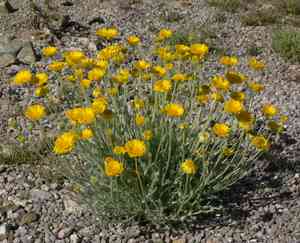
Desert Marigold adds a distinct beauty to any garden design. Its bright yellow blossoms stand out against green foliage, creating a striking visual contrast. The plant's natural hardiness and ability to flourish in dry conditions make it an especially appealing option for xeriscaping or water-wise gardens. Its extended flowering period ensures your garden stays vibrant for most of the year, making it a practical choice for those aiming for maximum visual impact with minimal effort.
Desert Marigold's Contribution to Sustainable Garden Designs
Including Desert Marigold in your garden promotes environmental friendliness. Due to its minimal water needs, Desert Marigold aids in water conservation, making it an excellent choice for sustainable gardening. Furthermore, Desert Marigold supports local ecosystems by providing nectar and pollen for pollinators, such as bees and butterflies. Its low requirement for fertilizers and pesticides also means it has a smaller environmental impact, fostering a healthier, less polluted environment.
Incorporating Desert Marigold into Various Garden Styles
How Desert Marigold Enhances Formal Garden Designs
Even in formal gardens, which emphasize symmetry and order, Desert Marigold can be seamlessly integrated to add a touch of brightness without disrupting the structured layout. Plant Desert Marigold along edges or in geometrically arranged flower beds to accentuate pathways and focal points. Its consistent growth habit and bright blooms can enhance the neat, defined lines typical of formal gardens, adding a consistent splash of color throughout the seasons.
Using Desert Marigold in Informal Landscape Arrangements
For a more relaxed, naturalistic garden design, Desert Marigold is a perfect fit. It can be scattered throughout beds to create a meadow-like appearance or grouped in clusters to mimic wildflower patches. The plant's rugged beauty and low-maintenance needs align well with the informal, easygoing vibe of casual landscapes. It pairs well with various other plants, ensuring a diverse and visually appealing garden without requiring extensive upkeep.
Year-Round Maintenance Tips for Desert Marigold in Gardens
Seasonal Visual Changes and Characteristics
Throughout the year, Desert Marigold undergoes subtle transformations that can increase the dynamic visual interest in your garden. In spring and summer, the plant is in full bloom, displaying its stunning yellow flowers. As autumn approaches, the foliage might take on a slightly different shade, adding a new layer of color to your garden palette. Understanding these seasonal shifts allows you to plan for a garden with year-round appeal and ensures Desert Marigold remains a prominent feature even when not in full bloom.
Adjusting Garden Elements Around Desert Marigold
Given the hardy nature of Desert Marigold, it's relatively simple to make other landscaping elements complement its presence. During warmer months, ensure that mulches and drip irrigation are used effectively to maintain soil moisture. In cooler seasons, you might consider frost protection measures if you live in an area with significant temperature drops. By making these minor adjustments, you can ensure Desert Marigold thrives all year, preserving its beauty and ecological benefits.
Companion Planting with Desert Marigold
Optimal Companion Plants for Desert Marigold in a Landscape
When selecting companion plants for Desert Marigold, choose those that flourish in similar conditions. Other drought-tolerant species like succulents, lavender, and sage make excellent partners. These plants not only coexist well but also enhance the garden's visual appeal. The contrasting textures and colors can create a visually dynamic and ecologically resilient landscape.
Advantages of Companion Planting with Desert Marigold
Pairing Desert Marigold with other plants offers numerous benefits. It can help create a microenvironment that improves growth conditions for all plants involved. Companion planting with Desert Marigold can also enhance pest control by attracting beneficial insects and deterring harmful ones. Additionally, the diverse planting scheme supports biodiversity, leading to a more resilient and sustainable garden.
Creative Applications of Desert Marigold in Landscape Features
Integrating Desert Marigold with Hardscape Elements
Desert Marigold blends beautifully with hardscape elements such as stone pathways, patios, and retaining walls. The plantâs vibrant blooms can soften the stark lines of stones and concrete, creating a balanced and appealing contrast. Consider planting Desert Marigold in borders around hardscape features or in gaps between stones to introduce color and life to these structural components of your landscape.
Highlighting Desert Marigold in Water Features
While Desert Marigold is drought-tolerant, it can also enhance the aesthetics of water features. Plant it near ponds, fountains, or artificial streams to create a lush and colorful perimeter. The juxtaposition of water and the bright yellow flowers can be visually stunning, offering a peaceful and refreshing ambiance to your garden. Strategically placed Desert Marigold can transform a simple water feature into a captivating focal point, inviting gentle movement and reflections.



