How to Prune Desert Marigold?
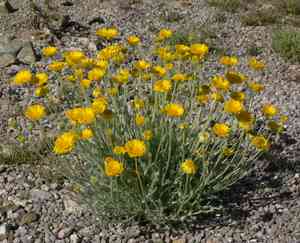
This enduring herb flourishes in dry environments, displaying vibrant yellow blossoms. For desert Marigold, the most effective trimming methods involve removing faded flowers to stimulate additional blooming and shortening elongated stalks to preserve a dense form. Trimming is ideally carried out in spring, summer, or autumn, coinciding with periods of vigorous development. Specifically for desert Marigold, pruning can boost flower production, control the plant's dimensions, and deter self-propagation, which might result in excessive dispersal within garden areas.
Advantages of Trimming Desert Marigold
Advantages of Trimming Desert Marigold
Trimming desert Marigold promotes robust development and helps preserve its desired form, ensuring a strong and visually appealing look.
Optimal Time for Trimming Desert Marigold
Optimal Time for Trimming Desert Marigold
Trimming desert Marigold is best performed in Spring, Early Summer, and Fall to encourage vigorous growth and abundant flowering. Spring pruning coincides with the start of the growing season, allowing desert Marigold to recover quickly and direct energy toward new growth and blossoms. Early Summer pruning can aid in removing any faded blooms from the initial spring flowering, potentially stimulating a second bloom and maintaining a neat appearance. Fall pruning, before dormancy, can help eliminate old or dead growth and prepare desert Marigold for the subsequent growing season, ensuring resources are not wasted on non-viable plant parts.
Necessary Tools for Trimming Desert Marigold
Hand Pruners
Perfect for making accurate cuts on desert Marigold, enabling careful removal of dead or damaged stems without harming the rest of the plant.
Pruning Shears
Suitable for clipping flowers or slender stems of desert Marigold to encourage denser growth and maintain plant shape.
Garden Scissors
Useful for deadheading desert Marigold and can easily manage softer or smaller stems, which promotes continuous blooming.
Gloves
Protection for the gardener's hands from the desert Marigold's potentially rough or irritating foliage during the trimming process.
How to Trim Desert Marigold
Sanitize
Disinfect pruning shears with rubbing alcohol or a 10% bleach solution to prevent the spread of disease during the trimming process.
Diseased Leaves
Carefully trim off desert Marigold's diseased leaves, using a clean cut to avoid tearing. Remove leaves showing signs of damage or illness, disposing of them away from healthy plants.
Withered Leaves
Remove any withered leaves from desert Marigold to encourage new growth and improve air circulation within the plant, cutting back to the base of the affected leaf.
Dead Branches
Cut dead branches off desert Marigold at the point where they meet healthy wood, making the cut at a 45-degree angle to promote healing and prevent water accumulation.
Diseased Branches
Remove all diseased branches from desert Marigold by cutting them back to healthy tissue, ensuring cuts are made cleanly and without tearing bark or stems.
Common Trimming Errors with Desert Marigold
Over-trimming
Removing too much foliage from desert Marigold at once can shock the plant and hinder flowering. Aim to never remove more than one-third of the plant during a trimming session.
Incorrect Cut Placement
Making cuts too far from a bud or node can result in dead stubs that can attract pests and diseases. Ensure cuts are made at a 45-degree angle just above a bud or node to promote healthy regrowth.
Trimming Solely for Shape
Focusing only on the aesthetic form of desert Marigold can lead to neglecting the health and natural growth pattern of the plant. Prioritize trimming that maintains plant health over purely cosmetic alterations.
Using Unclean Tools
Cutting desert Marigold with dirty shears or knives can spread diseases and pest infestations. Always sterilize tools before and after trimming to minimize the risk of contamination.
Trimming In Wet Conditions
Wet conditions can also spread diseases between plants. Avoid trimming desert Marigold when the plant or the weather is damp.
General Trimming Advice for Desert Marigold
Selective Thinning
Remove only the oldest and most woody stems to encourage fresh growth and more vigorous blooms on desert Marigold. This also increases air circulation, reducing the risk of disease.
Deadheading
Regularly snip off spent flowers to extend the blooming period and encourage desert Marigold to produce more flowers, as it prevents the plant from putting energy into seed production.
Maintenance Trimming
Regularly trim away dead or dying foliage and stems to maintain the health and appearance of desert Marigold, which also helps prevent disease and pest infestations.
Cutting Technique
Use sharp and clean pruning shears to make precise cuts. This minimizes damage and allows for quicker healing of desert Marigold.
Post-Trimming Care
After trimming desert Marigold, provide the plant with adequate water and, if necessary, a light feed to support recovery and new growth.



