How to Transplant Beach wormwood?
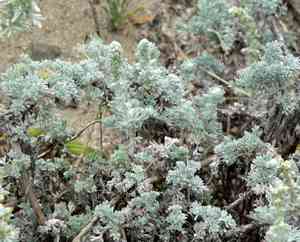
The optimal periods for relocating beach wormwood are when the ground is temperate and receptive – spanning from the lively blossoming of late spring through the mild decline of early summer, or as autumn hues emerge from mid-season into the hushed, concluding fall. Select a location that receives ample sunlight and provides soil with good drainage to ensure beach wormwood's successful fresh start. Maintain a gentle method and prioritize consistent rooting.
Essential Preparations for Relocating Beach Wormwood
Optimal Timing for Transplanting Beach Wormwood
The best period for moving beach wormwood extends from late spring into early summer, or from mid-autumn until the end of fall. These times ensure a smooth transition for beach wormwood, avoiding harsh summer heat or winter cold. Moderate temperatures and sufficient natural moisture during these seasons are vital for root establishment. Transplanting then allows beach wormwood to benefit from spring's growth spurt or fall's rejuvenation, promoting strong health and lush foliage. This timing perfectly aligns with nature's cycle, ensuring seamless integration into your garden.
Recommended Spacing Between Beach Wormwood Plants
When preparing to plant your beach wormwood, aim to position each specimen approximately 18-24 inches (45-60 cm) apart. This spacing provides ample room for your beach wormwood to thrive and ensures proper air circulation, which is crucial for healthy development.
Ideal Soil Blend for Beach Wormwood Transplanting
Choose a well-draining soil for your beach wormwood, as they prefer light and airy ground for root development. Before transplanting, enrich the soil with a balanced, slow-release fertilizer to give your beach wormwood a strong start in its new location.
Selecting the New Location for Your Beach Wormwood
Locate a sunny spot in your garden that receives abundant sunlight, as beach wormwood flourishes in full sun. An area that gets at least 6 hours of sunshine daily would be perfect for your beach wormwood to thrive.
Tools Required Before Transplanting Beach Wormwood
Gardening Gloves
To safeguard your hands while handling soil and plants.
Shovel or Spade
For digging around and beneath the plant to extract the root ball.
Garden Fork
To loosen the soil surrounding the plant's root system.
Watering Can or Hose
For pre-moistening the soil and initial watering post-transplant.
Wheelbarrow or Garden Cart
To move the plant and soil as necessary.
Pruning Shears
For trimming any damaged roots or stems.
How to Extract Beach Wormwood from its Current Location
How to Extract Beach Wormwood from its Current Location
From Pot: Start by watering the beach wormwood to help the roots slide out easily. Tilt the pot sideways and gently tap to loosen the plant. Hold the plant by its base and carefully remove it from the pot, keeping the root ball intact.From Ground: Begin by watering the beach wormwood to moisten the soil. Use a shovel or garden fork to dig a wide circle around the plant, being careful to maintain the root ball. Gently pry the plant from underneath to lift it out.From Seedling Tray: Dampen the seedling tray to facilitate easy removal. Use a spoon or a dibber to carefully lift the seedling, ensuring minimal root disturbance.
Detailed Steps for Transplanting Beach Wormwood
Preparing the Hole
Excavate a hole that is twice the width and the same depth as the beach wormwood's root ball, allowing ample space for root expansion.
Positioning the Plant
Place the beach wormwood in the center of the hole. The top of the root ball should be flush with the surrounding soil surface.
Backfilling the Hole
Gently refill the hole with soil, firming it around the beach wormwood's roots to eliminate air pockets. Avoid over-compacting the soil.
Initial Watering
After planting, thoroughly water your beach wormwood to settle the soil and provide moisture to the roots.
Applying Mulch
Spread a layer of mulch around the base of the beach wormwood, keeping it away from the stems to prevent rot and retain moisture.
Post-Transplant Care for Beach Wormwood
Monitoring
Regularly check the beach wormwood's soil moisture to ensure it remains hydrated but not waterlogged, and adjust your watering schedule accordingly.
Support
If the beach wormwood is tall or top-heavy, gently stake it to prevent wind damage until its roots are established.
Pruning
Remove any dead or damaged foliage to redirect the beach wormwood's energy towards root and new growth development.
Addressing Common Issues During Beach Wormwood Transplantation
When is the best time to transplant beach wormwood?
Optimal transplanting periods are late spring to early summer or during the calm mid-autumn season.
How far apart should I space beach wormwood when transplanting?
Allow for a generous growth area by placing them 18-24 inches (45-60 cm) apart.
How deep should the hole be when transplanting beach wormwood?
Dig a hole approximately as deep as the root ball, but twice as wide to encourage expansion.
What should I do if beach wormwood wilts after transplanting?
Ensure sufficient water and shield it from intense sun while it settles. It should recover soon!
How much should I water beach wormwood after transplanting?
Water generously immediately after transplanting, then maintain consistent moisture until it's well-rooted.
Can beach wormwood tolerate transplanting in cooler temperatures?
Yes, beach wormwood can be moved in milder climates but avoid extreme cold or frost periods.
Should I fertilize beach wormwood after transplanting?
Fertilizer is not immediately necessary. Instead, focus on stable water and soil conditions.
How do I know if my beach wormwood is not getting enough light?
Slow growth or elongated stems may indicate insufficient light; re-evaluate its placement.
What type of soil is best for transplanting beach wormwood?
Choose well-draining soil with moderate fertility; beach wormwood dislikes overly rich or wet soils.
What should I do if my beach wormwood shows signs of root rot after transplanting?
Remove affected parts, ensure proper drainage, and reduce watering to prevent soggy soil conditions.



