How Much Sunlight Do Beach wormwood Need?
1
Beach wormwood flourishes optimally with ample sunlight, needing a minimum of 6 hours of direct sun daily.
2
Insufficient light can lead to elongated stems and discolored foliage in Beach wormwood.
3
Using reflective surfaces and strategic trimming can enhance Beach wormwood's sun exposure.
What are the Sunlight Requirements for Beach wormwood?
Ideal Sunlight Exposure
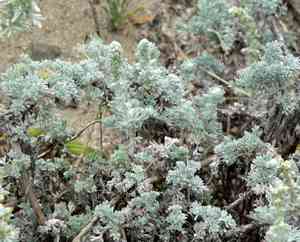
Beach wormwood, a striking plant known for its beautiful, silver-gray leaves, flourishes in settings where it can receive abundant full sunlight. This means it needs a minimum of 6 hours of direct sun daily. Ideally, it should be situated in a garden spot that gets consistent sunlight throughout the day to encourage robust growth and maintain its vibrant hue.
Full Sun Explained
Full sun signifies that the plant receives unfiltered solar radiation for most of the day. For Beach wormwood, this is vital as it replicates the plant's natural environment. Consider coastal regions without tall trees blocking the sun. In such conditions, Beach wormwood stays healthy and strong. So, ensure it's planted where it can enjoy uninterrupted rays, especially from late morning to early afternoon.
Partial Sun and Shade
Beach wormwood can endure partial sunlight, but it's not optimal. Partial sun means the plant gets 3-6 hours of direct sunlight or indirect light for the remainder of the day. While it can survive in these circumstances, you might observe slower development and potentially paler foliage. Completely avoid deeply shaded areas as they can hinder growth and cause the plants to become leggy and less attractive.
How to Determine the Best Spot for Beach wormwood?
Indoor vs. Outdoor Placement
Ideally, Beach wormwood should be cultivated outdoors to fully meet its light requirements. Indoors, providing the intense light needed can be difficult unless you have a bright, sunny window or artificial grow lights. If you must keep it inside, ensure it's in the sunniest part of your home.
Assessing Your Garden
Evaluating the sunlight in your garden is crucial for finding the optimal location for Beach wormwood. Observe various areas of your garden throughout the day to pinpoint where the most sunlight falls. Positions on the south or west side of your residence typically receive the most consistent sun. Avoid placing the plant near tall structures or trees that might cast shadows.
Consider Seasonal Changes
Sunlight exposure shifts with the seasons. During summer, most garden spots get ample sun, but as winter approaches, the sun's path lowers, leading to fewer daylight hours. Plan ahead and position Beach wormwood where it can still receive sufficient light during shorter days. This foresight ensures vigorous growth year-round.
What are the Signs of Incorrect Sunlight for Beach wormwood?
Underexposure Symptoms
When Beach wormwood doesn't receive enough sunlight, it exhibits signs such as pale or yellowing leaves, leggy and sparse growth, and an overall weak appearance. The plant may also be more vulnerable to pests and diseases due to compromised health.
Overexposure Symptoms
Conversely, excessive sunlight, particularly in extremely hot climates, can result in scorched leaves that appear burned or bleached. Although Beach wormwood prefers full sun, always ensure it's not exposed to harsh reflected light from surfaces like walls, which can intensify the light and cause damage.
Corrective Measures
If you observe indications of improper sunlight exposure, act quickly. For underexposure, relocate the plant to a brighter spot. For overexposure, consider installing a shade cloth to diffuse the sunlight, especially during peak hours. This balance helps restore the plant’s health and vitality.
Tips for Maximizing Sunlight for Beach wormwood
Using Reflective Materials
Employing reflective materials can enhance sunlight exposure for Beach wormwood. Placing reflective surfaces like aluminum foil or white paint around the plant can help bounce and scatter light to reach areas that might otherwise remain shaded. This technique ensures the plant gets ample sunlight from all directions.
Pruning Surrounding Plants
Trimming nearby plants and shrubs that create shadows allows more sunlight to penetrate. Regularly cut back overhanging branches that might obstruct sunlight. This simple practice can significantly boost the light reaching your Beach wormwood, ensuring it receives the nourishment it needs.
Adjusting the Plant’s Position
Sometimes the easiest solution is the most effective: simply move the plant. Repositioning Beach wormwood to different areas of your garden where it can get maximum sunlight exposure at various times of the year ensures continuous growth. Being aware of sunlight patterns and adjusting the plant’s location accordingly can make a significant difference.
Common Sunlight Myths for Beach wormwood
Myth: More Sun is Always Better
While Beach wormwood thrives in full sun, an abundance of sunlight, especially in harsh climates, can be harmful. Overexposure can stress the plant, leading to sunburn. Balance is crucial—ensure sufficient sunlight without causing damage.
Myth: Only Direct Sunlight Counts
Indirect sunlight also plays a vital role in the health of Beach wormwood. While direct sunlight is optimal, reflected and diffused sunlight should not be underestimated. These types of light can supplement the plant’s requirements, particularly in partially sunny locations.
Myth: Sunlight Needs Don't Change
Sunlight requirements do vary with seasons and geographical regions. What works for Beach wormwood in summer might not be ideal in winter. Adapting to these changes ensures that the plant receives adequate light year-round and maintains its health and vigor.



