How to Prune Beach wormwood?
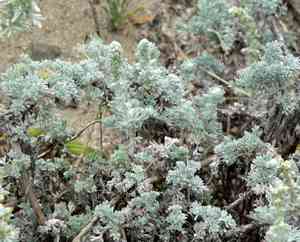
This seaside perennial is recognized for its delicate leaves and resilience in sandy substrates. For beach wormwood, trimming back by as much as one-third in late winter stimulates development and preserves its form. Snip spent blossoms to encourage further flowering. Eliminating lifeless or injured stalks deters illness and fosters air circulation. These methods, executed while the plant is inactive, boost beach wormwood's well-being and visual attractiveness â vital for both decorative and ecological preservation objectives.
What Are the Benefits of Pruning Beach Wormwood?
What Are the Benefits of Pruning Beach Wormwood?
Trimming beach wormwood promotes robust development and helps maintain its form, ensuring it remains visually appealing and structurally sound within garden areas.
What Is the Best Time for Pruning Beach Wormwood?
What Is the Best Time for Pruning Beach Wormwood?
Pruning beach wormwood in late winter is beneficial because the plant is typically dormant. This dormant phase minimizes stress on beach wormwood, as the plant's growth processes slow down and energy is stored in its roots. Pruning during this period reduces the risk of sap loss, which can attract pests and cause disease. Additionally, with fewer leaves, the plant's structure is more visible, making it easier to identify and remove any dead, damaged, or diseased stems. Pruning at this time encourages vigorous spring growth and helps maintain the desired shape and size of beach wormwood, promoting a healthy and aesthetically pleasing plant with a controlled growth habit to enhance its natural coastal dune habitat aesthetics.
What Tools Do I Need to Prune Beach Wormwood?
Hand Pruners
Perfect for severing slender stems and small branches on beach wormwood, ensuring accurate cuts to preserve the plant's structure and vitality.
Pruning Shears
Allows for rapid trimming of beach wormwood's soft foliage and for shaping the plant without harming adjacent stems.
Garden Scissors
Offer delicate control for removing spent flowers from beach wormwood and for shaping smaller, more intricate sections of the plant.
Bypass Pruners
Their scissor-like action facilitates clean cuts on beach wormwood, which encourages better healing and minimizes damage.
How to Prune Beach Wormwood
Sterilize
Before beginning, clean and sanitize pruning tools to prevent the spread of disease to beach wormwood.
Remove Withered Leaves
Carefully inspect beach wormwood and snip off any dried-up leaves using precise pruners. Gently cut at the base where the leaf stem meets the main plant.
Cut Dead Branches
Identify lifeless branches by checking for brittleness and absence of green when lightly scraped. Use sharp bypass pruners to make clean cuts at the base of these branches.
Eliminate Diseased Branches
Examine beach wormwood for indications of disease in branches, such as discoloration or unusual development. Trim these branches back to healthy tissue, cutting at least a few inches into the healthy part to ensure removal of all diseased material.
Shape Plant
Conclude by shaping beach wormwood, trimming any excessively long or unruly branches to maintain a tidy appearance and promote air circulation within the plant.
Common Pruning Mistakes with Beach Wormwood
Overpruning
Removing too much foliage from beach wormwood at once can stress the plant, leading to weaker growth and possible dieback. Aim to prune no more than one-third of the plant at a time.
Blunt Tool Use
Employing dull or dirty pruning tools can result in jagged cuts and introduce disease into beach wormwood. Always use sharp and clean instruments for precise cuts.
Improper Cut Location
Cutting too far from a node or into old, woody stems may result in improper growth or fail to encourage the desired branching in beach wormwood.
Neglecting Dead Material
Failing to remove dead or diseased material from beach wormwood can hinder its overall health and vitality. This material should be the first to go when pruning.
Not Tailoring To Plant Shape
Each beach wormwood may have a unique growth pattern. Pruning without considering the natural shape of the plant can lead to an unsightly appearance and uneven growth.
Common Pruning Tips for Beach Wormwood
Selective Pruning
Focus on thinning out crowded areas to improve air circulation and light penetration for beach wormwood, encouraging healthy growth and reducing disease risk.
Cut Angle
Make cuts at a 45-degree angle just above a leaf node to promote healthy regrowth of beach wormwood. Avoid cutting too close to the node to prevent damage.
Sequential Pruning
For a fuller and more controlled shape, prune the tips of beach wormwood throughout the growing season rather than doing one drastic cut.
Growth Direction
Guide the growth of beach wormwood by making cuts just above buds facing the outside of the plant. This helps the plant to grow outwards and not become too dense in the center.
Post-Bloom Pruning
Once beach wormwood has finished flowering, trim back the spent blooms to encourage a potential second flush of flowers and to maintain a tidy appearance.



