Enhancing Your Garden Design with the Beach wormwood Plant: A Landscaping Guide
1
Beach wormwood tolerates dry conditions exceptionally well, perfect for arid seaside landscapes.
2
Its distinctive leaves of Beach wormwood transform throughout the year, offering evolving aesthetic appeal.
3
Beach wormwood effectively prevents soil erosion, aiding in the stabilization of shoreline ground.
Appreciating the Visual Qualities of Beach Wormwood
Visual Texture and Color: Enhancing landscapes with Beach wormwood's distinct foliage
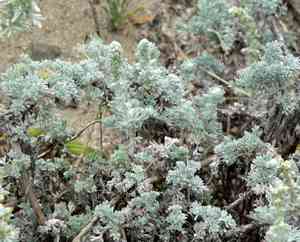
For coastal garden designs, few plants offer the visual texture and color of Beach wormwood. Its foliage displays a striking silvery-gray hue, providing a notable contrast to the typical green of many other plants. This unique coloration can serve as a garden's focal point, attracting attention and imparting subtle elegance. Furthermore, the texture of Beach wormwood's leaves adds another layer of visual appeal. The fine, feather-like quality of its foliage lends a soft, almost ethereal feel to your landscape, making it an excellent choice for creating tranquil and contemplative outdoor spaces.
Seasonal Changes: How Beach wormwood's appearance shifts with the seasons
A captivating feature of Beach wormwood is its seasonal variation. Throughout the year, it undergoes subtle transformations in appearance, ensuring your garden offers a fresh look each month. In spring and summer, Beach wormwood showcases lush, vibrant foliage, bringing refreshing vitality to your garden. By autumn, the leaves may adopt a slightly different shade, adding a warm, cozy ambiance as seasons transition. This natural adaptability not only keeps your garden visually engaging but also helps it integrate seamlessly with its surroundings, mirroring the natural rhythms of coastal ecosystems.
Height and Spread: Utilizing Beach wormwood's growth patterns in design
The height and spread of Beach wormwood are vital considerations when integrating it into your landscape design. Typically, Beach wormwood reaches a modest height of approximately 1-2 feet, with a similar spread. This compact size makes it an excellent option for ground cover, border plantings, or as a filler among larger shrubs and trees. Leveraging Beach wormwood's growth habits can help define garden areas, prevent soil erosion, and achieve a unified aesthetic. Whether planted in clusters for a more naturalistic feel or in neat rows for a structured look, Beach wormwood provides a versatile and visually pleasing choice for coastal landscaping projects.
Incorporating Beach Wormwood into Your Garden: Practical Steps
Site Selection: Optimal locations for planting Beach wormwood in landscapes
Choosing the best location for planting Beach wormwood is crucial for its growth and the overall success of your landscape design. Beach wormwood thrives in well-drained soil and sunny spots, making it ideal for coastal gardens where other plants might struggle. When selecting a site, consider areas that receive full sun to partial shade. Additionally, Beach wormwood tolerates sandy and rocky soils, common in coastal regions, making it a resilient option for less fertile areas in your garden. Avoid locations with excessive moisture, as Beach wormwood prefers drier conditions.
Companion Plants: Best partners for Beach wormwood in your garden
Pairing Beach wormwood with suitable companion plants can enhance its beauty and foster a more flourishing garden ecosystem. Its silver-gray foliage beautifully contrasts with brightly colored flowers like lavender or purple sage. Furthermore, plants with similar drought tolerance, such as succulents, yucca, and other Artemisia species, can create a harmonious and low-maintenance garden. Consider planting Beach wormwood alongside other coastal natives to emulate a natural habitat and support local wildlife. These companions not only complement Beach wormwood aesthetically but also share similar soil and water needs, simplifying garden upkeep.
Design Ideas: Creative ways to integrate Beach wormwood into your outdoor space
Integrating Beach wormwood into your outdoor area can be an enjoyable and imaginative process. For a contemporary, minimalist look, try planting Beach wormwood in geometric patterns or using it to line pathways and garden edges. If you prefer a more naturalistic design, allow Beach wormwood to grow in drifts or clusters, mimicking natural meadows and coastal dunes. Beach wormwood also works wonderfully in rock gardens, where its foliage can soften the harsh lines of stones and boulders. For those who enjoy container gardening, Beach wormwood can flourish in pots, adding a touch of coastal charm to patios and terraces.
The Environmental Advantages of Including Beach Wormwood in Landscaping
Drought Resistance: How Beach wormwood thrives with minimal water
A key characteristic of Beach wormwood is its remarkable drought resistance. Unlike many ornamental plants that demand frequent watering, Beach wormwood can flourish with minimal moisture, making it an excellent choice for coastal landscapes prone to dry conditions. This drought tolerance not only conserves water resources but also reduces the effort and expense associated with regular garden maintenance. During periods of extreme drought, Beach wormwood can maintain its health and appearance, ensuring your garden remains vibrant and appealing without extensive irrigation.
Wildlife Attraction: Beach wormwood as a haven for local fauna
Beyond its aesthetic and practical benefits, Beach wormwood plays a vital role in supporting local wildlife. Its dense foliage offers shelter for small animals like birds and insects, creating a mini-habitat within your garden. The plant also attracts pollinators, including bees and butterflies, which are crucial for the health of your entire garden ecosystem. By incorporating Beach wormwood into your landscaping, you are not only enhancing your garden's beauty but also contributing to local biodiversity and helping to sustain essential pollinator populations.
Erosion Control: How Beach wormwood aids in stabilizing coastal soils
Erosion control is a significant concern in coastal regions, where wind and water can rapidly degrade soil quality. Beach wormwood possesses a robust root system that can help anchor the soil and prevent erosion. When planted in areas susceptible to erosion, Beach wormwood acts as a natural barrier, reducing the impact of wind and water and helping to maintain soil integrity. This stabilization can prevent the loss of valuable topsoil, protect other plants in your garden, and contribute to the long-term health of your coastal landscape.
Long-Term Care and Maintenance for Beach Wormwood
Pruning and Trimming: Best practices for maintaining Beach wormwood's form
Maintaining the shape and appearance of Beach wormwood requires consistent pruning and trimming. The optimal time for pruning is in early spring, just before new growth emerges. By cutting back any dead or overgrown stems, you can encourage healthy new growth and preserve the plant's desired form. Use clean, sharp pruning shears to make precise cuts, and avoid cutting too close to the plant's base to prevent damage. Regular pruning not only keeps Beach wormwood looking neat and attractive but also promotes denser foliage, leading to a fuller, healthier plant.
Weather Considerations: Protecting Beach wormwood from harsh conditions
While Beach wormwood is resilient and hardy, extreme weather can still pose a threat. In areas prone to heavy frost or severe storms, consider providing some protection for your Beach wormwood plants. Applying mulch around the plant's base can help insulate the roots and retain moisture during cold weather. During severe storms, cover the plants with protective cloths or relocate potted Beach wormwood to a sheltered spot. By taking these precautions, you can ensure your Beach wormwood remains healthy and vibrant throughout the year, regardless of weather conditions.
Monitoring for Pests: Common issues and preventive strategies
Although Beach wormwood is relatively pest-resistant, it's still crucial to inspect the plant for any signs of infestation. Common pests that might affect Beach wormwood include aphids and spider mites. Regularly check the foliage for any indications of pests, such as discolored or damaged leaves. If you observe any infestations, use organic insecticidal soap or neem oil to treat the affected areas. Additionally, maintaining good garden hygiene by removing dead leaves and debris can prevent pest outbreaks. By remaining vigilant and proactive, you can ensure your Beach wormwood stays healthy and pest-free.



