How to Propagate Beach wormwood?
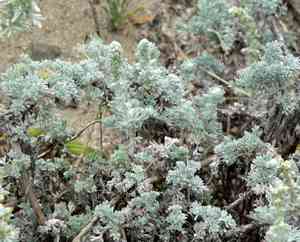
A robust indigenous coastal species, beach wormwood flourishes in sandy soils, making it highly suitable for propagation via cuttings. For successful cultivation of beach wormwood, gather semi-hardwood cuttings during phases of vigorous development, ensuring each possesses a minimum of one node. These must be inserted into a well-draining propagation substrate, in an environment characterized by elevated humidity and diffused light, to stimulate root formation. Sustaining uniform moisture levels without saturation is essential for the vitality of developing roots.
When Is the Optimal Time to Propagate Beach Wormwood?
Propagation Method
Cutting
Propagation Period
Spring,Summer
What Equipment Is Utilized in Beach Wormwood Propagation?
Sharp Pruning Shears
Sharp pruning shears are crucial for taking beach wormwood cuttings. They enable clean, precise cuts that minimize harm to both the parent plant and the cutting. Using sharp shears helps prevent crushing plant tissues, encouraging faster healing and reducing infection risk. Clean cuts are vital for rapid root development from cuttings.
Rooting Hormone Powder
Rooting hormone powder stimulates root development on beach wormwood cuttings. Applying rooting hormone to the freshly cut base of the cutting increases successful rooting, accelerates root growth, and can lead to a stronger root system. This is especially beneficial for beach wormwood, helping to establish a solid foundation for transplanting.
Sterilized Potting Mix
A sterile potting mix offers a clean, controlled environment for beach wormwood cuttings to root. Sterility is essential to prevent introducing pathogens that could harm cuttings before they establish. The potting mix should drain well yet retain enough moisture to support new root growth without becoming waterlogged, which is crucial for beach wormwood's health during its initial growth phase.
Humidity Dome
A humidity dome helps maintain a high humidity environment around beach wormwood cuttings, which prevents them from drying out before roots establish. High humidity keeps the cut tissue hydrated and supports overall root development. For beach wormwood, which may not initially have high water retention, this tool is especially critical during the vulnerable rooting phase.
Heat Mat
A heat mat provides consistent bottom warmth, known to significantly improve rooting success for many plant species, including beach wormwood. The heat encourages root development by maintaining an optimal temperature range directly around the cutting's base. This is particularly useful during cooler months or in colder climates where ambient temperatures may not support root growth.
How to Propagate Beach Wormwood?
Propagation Difficulty
Moderately Difficult
How to Care for Your Newly Propagated Beach Wormwood?
How to Care for Your Newly Propagated Beach Wormwood?
Once beach wormwood cuttings have rooted and new growth is visible, gradually acclimatize them to less humid conditions by increasing ventilation. Eventually, remove the cover completely. Keep the soil consistently moist but not waterlogged, and provide young beach wormwood plants with bright, indirect light. When established and showing robust growth, transplant them into individual pots or the desired garden location, ensuring well-drained soil and full to partial sun exposure.
Common Errors to Avoid When Propagating Beach Wormwood
Overwatering
Excessive moisture can cause root rot and fungal diseases, impeding root development in beach wormwood cuttings and planted offsets.
Deep planting
Setting cuttings or seedlings too deeply may prevent beach wormwood from receiving adequate light and air, suppressing growth and potentially causing decay.
Neglecting sand content
Beach wormwood requires well-draining soil; without sufficient sand, water retention can become too high, increasing the likelihood of root diseases.
Overcrowding
Placing beach wormwood cuttings or plants too close together can restrict air circulation and light, fostering disease spread and compromising plant vigor.
Ignoring pest control
Failing to monitor for pests like spider mites can lead to infestations that severely impact beach wormwood's health and growth.
Tips For Propagating Beach Wormwood
Moderate watering
Provide beach wormwood with just enough water to keep the soil slightly moist. This encourages healthy root growth without risking waterlogged conditions.
Adequate depth
Plant beach wormwood cuttings and offsets at a shallow depth, ensuring the crown is slightly above the soil level to facilitate proper growth.
Well-draining mix
Use a soil mix containing sufficient sand or perlite to ensure good drainage, mimicking beach wormwood' natural habitat conditions.
Spaced planting
Allow ample space between beach wormwood plants to promote air flow and light penetration, reducing disease risk and enabling robust growth.
Regular pest checks
Regularly inspect beach wormwood for signs of pests and treat promptly with appropriate measures to prevent infestations and ensure healthy propagation.



