The Beach wormwood Plant Advantage: Maximizing Home and Office Appeal and Wellness
1
Beach wormwood is a hardy plant well-suited for seaside environments.
2
Beach wormwood serves as a natural deterrent for insects, offering advantages to gardens.
3
After establishment, this plant needs very little care.
Why is Beach Wormwood an Excellent Addition to Your Garden?
Inherent Toughness
A key characteristic of Beach wormwood is its inherent toughness. This plant is remarkably robust and can flourish in the most demanding environments, including sandy ground, salty conditions, and arid regions. Its versatility makes it a superb option for seaside gardens and landscapes exposed to severe weather.
Low Upkeep
After its initial establishment, Beach wormwood needs very little care. Its hardy nature means it can survive with minimal water, reducing the need for frequent irrigation. Furthermore, it resists many common pests and diseases, requiring fewer interventions to maintain its health. This makes it an ideal choice for gardeners seeking easy-care plants.
How Can Beach Wormwood Enhance Your Garden's Ecosystem?
Natural Pest Deterrent
One of the most practical advantages of Beach wormwood is its capacity to function as a natural insect repellent. The plant emits compounds that discourage various pests, safeguarding nearby plants from infestations. This makes it a valuable asset to any garden, especially for those interested in organic gardening practices.
Soil Stabilization
Beach wormwood is also highly effective at preventing soil erosion. Its deep root system helps to stabilize loose earth, particularly in coastal and sandy areas where erosion can be a significant issue. This makes it an indispensable plant for both residential and commercial applications in regions prone to soil displacement.
Why is Beach Wormwood Ideal for Coastal Environments?
Tolerance to Saline Conditions
Coastal regions often face the challenge of salty soil, which can hinder the growth of many plant species. Beach wormwood, however, is exceptionally tolerant of saline conditions, making it one of the few plants that can thrive in such environments. Its ability to survive and flourish in salty soil adds to its appeal for coastal landscaping projects.
Pleasing Visual Appeal
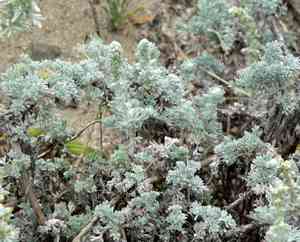
Beyond its practical benefits, Beach wormwood offers a distinctive and appealing look. Its silvery foliage and delicate, fragrant leaves add a unique touch to any landscape. Whether used as ground cover or as part of a mixed planting scheme, Beach wormwood provides aesthetic value that enhances the visual charm of gardens and coastal areas alike.
What Are the Best Methods for Planting and Caring for Beach Wormwood?
Planting Advice
When planting Beach wormwood, selecting a site with good drainage is essential. Although the plant is adaptable, it performs best in areas where water does not collect. If planting in a garden bed, ensure the soil is sandy or drains well.
Ongoing Maintenance
Once established, Beach wormwood requires minimal attention. Occasional watering during extended dry periods and annual pruning to remove dead or damaged growth are generally sufficient to keep the plant healthy. Applying mulch around the base can help retain moisture and suppress weeds.
How Does Beach Wormwood Contribute to Biodiversity?
Supporting Pollinators
Beach wormwood is known to attract a variety of pollinators, including bees and butterflies. Its small, yellow flowers provide a valuable nectar source, supporting the local pollinator population and enhancing biodiversity within the garden.
Wildlife Habitat
The dense growth of Beach wormwood can also offer shelter and habitat for small wildlife. Birds and insects may utilize the plant for nesting and protection, contributing to a balanced and thriving ecosystem in your garden.



